In the modern gaming industry, product design has evolved into one of the most influential forces shaping how players perceive, explore, and ultimately remember a game. While advanced graphics, engaging narratives, and real-time rendering technologies often receive the spotlight, the underlying design principles—structures, flows, interactions, and visual systems—play an equally critical role. As a game developer, ignoring product design means overlooking the primary interface through which every player encounters your creative vision.
In the past decade, the rise of specialized studios—including every design agency that now works closely with game companies—has demonstrated that product design is no longer just an auxiliary discipline. It is a strategic asset. It affects everything from onboarding efficiency to emotional engagement, and even influences whether players return after their first session. For teams of all sizes, from indie developers to global AAA game studios, understanding how product design shapes the gaming experience is essential for building sustainable, scalable, and player-centric products.
The Intersection of Product Design and Player Psychology
Product design is fundamentally about aligning user expectations with product behavior. In gaming, this principle must account for a broad spectrum of motivations—competition, mastery, social connection, exploration, and immersion. Well-crafted design anticipates these motivations and tailors game structures to amplify them.
Consider the satisfaction loop: action → feedback → reward. Even the most sophisticated game mechanics collapse if the player cannot find the correct action, misinterprets the feedback, or becomes confused by the reward system. Product design ensures that these interactions feel natural, meaningful, and intuitive.
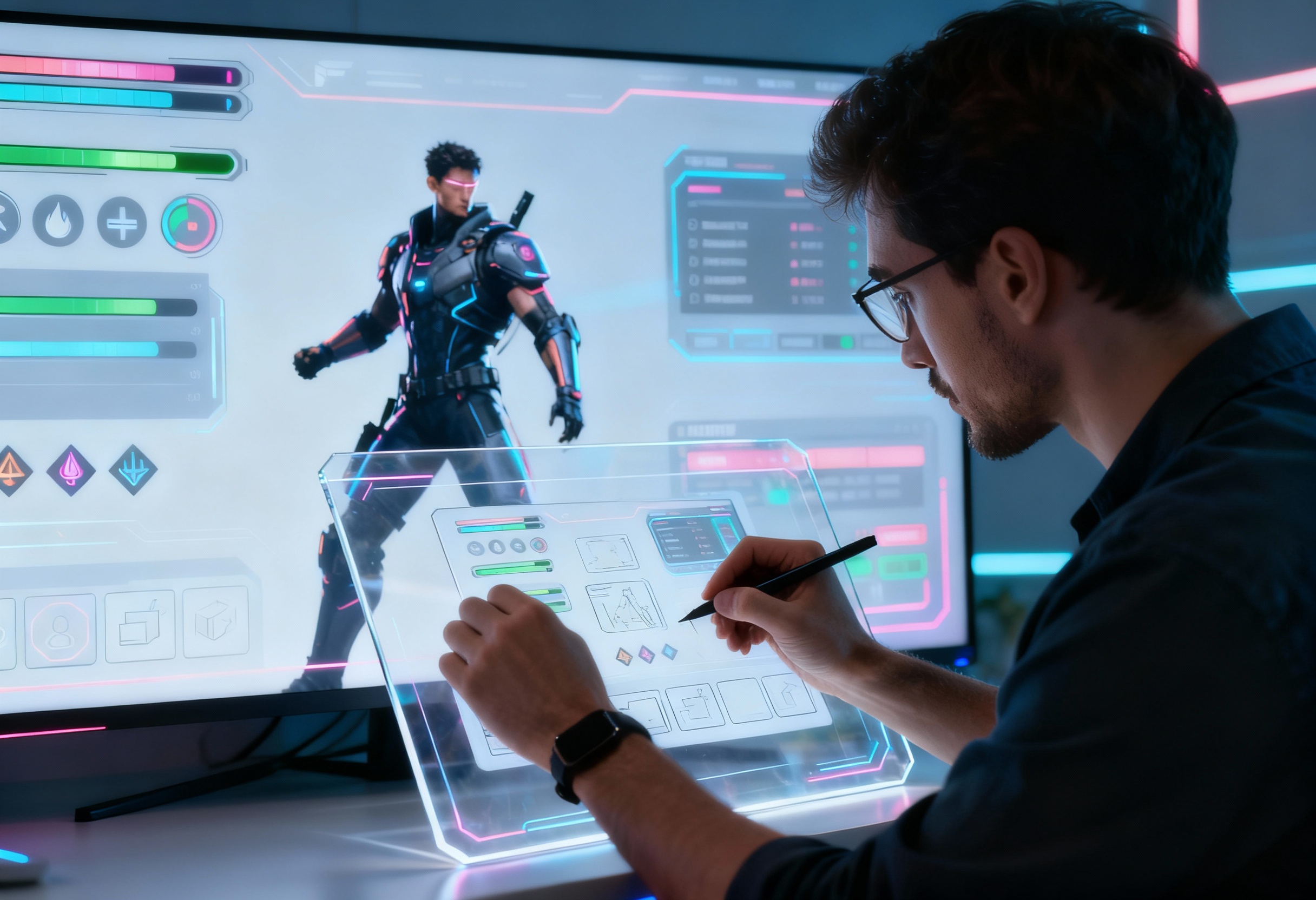
For example, the clear visual hierarchy of health bars, cooldown timers, stamina levels, and inventory items stems from rigorous interaction design. When done right, these elements operate subconsciously. Players simply “feel” that the game is responsive and fair, despite the deliberate craft happening behind the scenes.
Product design also plays a significant role in managing cognitive load. The brain can process only a limited amount of information at once, and high-fatigue interfaces—cluttered menus, overly complex progression maps, inconsistent iconography—can break immersion. Effective design reduces this friction, allowing the player’s attention to remain on gameplay rather than on deciphering the interface.
Table: Product Design Impact on Core Game Systems
| Game System | What Product Design Improves | Effect on Player Experience |
| Onboarding & Tutorials | Structure, clarity, contextual tips | Faster learning curve, reduced frustration |
| Interface Navigation | Information hierarchy, menu logic | Fewer errors, higher usability |
| Progression Systems | Visual clarity, reward communication | Stronger motivation, better long-term retention |
| Combat & Real-Time Interaction | Feedback timing, UX responsiveness | Higher immersion, better control perception |
| Monetization Flows | Transparency, layout ethics | Increased trust, sustainable in-game economy |
UI/UX Foundations That Define Player Engagement
Many game studios now collaborate with specialists who provide UI UX design services to refine interaction patterns and optimize interface logic. These services often mirror established frameworks for mobile and web applications, but are adapted to the unique demands of real-time interactivity and cross-device gameplay.
1. Onboarding as a Design Discipline
In the early minutes of gameplay, players form judgments that strongly influence their long-term commitment. Onboarding design not only teaches controls but frames the entire emotional trajectory of the experience. Elements such as:
- interactive tutorials,
- progressive disclosure of mechanics,
- adaptive difficulty,
- contextual tooltips
Must all be orchestrated so they feel seamless and integrated. Poor onboarding is one of the most common reasons for churn, particularly in free-to-play titles.
2. Navigation and Information Architecture
Good information architecture ensures that every menu, screen, and system supports player goals. Whether the player is customizing a character, managing equipment, or exploring the in-game marketplace, a well-designed structure reduces confusion and decision fatigue.
A modern design agency deeply understands these principles and helps game studios build logical, user-centered pathways that enhance usability while supporting monetization and progression systems.
3. Interaction Feedback
Every interaction—from button clicks to inventory swaps—requires immediate sensory feedback. Animations, sound, vibration, and micro-transitions communicate success, failure, or status change. These cues shorten the player’s mental distance between intention and outcome, which is essential for immersion.
Games with poor feedback often feel “laggy” or “unresponsive,” even when technically performant. In reality, the gap lies in interaction design, not in engine optimization.
Visual Systems and the Art of Conveying Meaning
Product design extends beyond functional usability; it includes visual identity, color logic, iconography, and layout systems. Strong visual language communicates mechanics without explicit instruction. Consider how players intuitively understand:
- Red denotes danger or damage,
- Gold signifies premium currency,
- Blue implies mana or magical energy,
- Orange highlights legendary items.
These conventions emerge from decades of design evolution across genres. A consistent visual system strengthens readability and contributes to the emotional texture of the experience.
The role of visual hierarchy is equally essential. Players should immediately identify what is interactive, what is decorative, and what requires urgent attention. This hierarchy guides the eye and keeps gameplay fluid.
Table: UX Constraints Across Gaming Platforms
| Platform | UX Challenges | Design Considerations |
| PC | High information density, precision input | Custom bindings, scalable HUD |
| Console | Controller navigation, distance-to-screen | Larger UI elements, radial menus |
| Mobile | Touch input, small screens | Large hitboxes, simplified layouts |
| VR | Motion sickness, spatial orientation | Gaze selection, low visual clutter |
Product Design for Multi-Platform Gaming
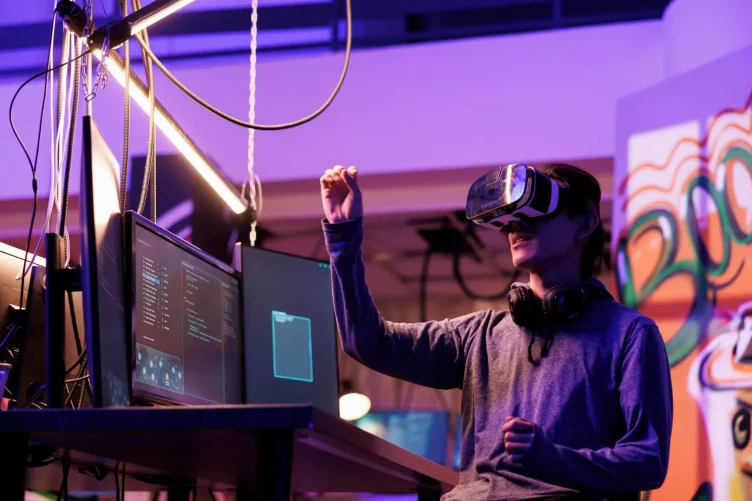
Multi-platform gaming—PC, console, mobile, web, VR—adds another layer of complexity. Product design must account for vastly different interaction patterns, screen sizes, controller types, and performance constraints.
For example:
- Mobile players rely on touch, so hitbox sizes and gesture systems must be optimized.
- PC players use keyboards and mice, requiring customizable keybindings and precise interactions.
- Console players need ergonomic navigation structured around directional input and controller buttons.
- VR players require spatial interfaces and gaze-based interactions with minimal motion sickness.
To maintain consistency while respecting platform limitations, studios often collaborate with specialists offering ui ux design services to craft adaptive design systems rather than static screens.
How Design Affects Player Retention and Monetization
Retention is not just a matter of gameplay quality—it is deeply influenced by product design. A clean, intuitive interface encourages exploration, while a confusing one leads to frustration and abandonment.
Progression and Reward Clarity
Players should always understand:
- What their current goals are.
- How much progress they’ve made.
- What rewards lie ahead.
- How to optimize their advancement.
Ambiguity may create short-term curiosity but often sabotages long-term engagement. Product designers structure progression visually and narratively to maintain motivation.
Storefront and Monetization UX
In games with in-app purchases, the store design has a significant impact on revenue. Ethical, transparent UX ensures players feel in control of their spending decisions. Poorly designed shops—cluttered layouts, unclear pricing, or manipulative flows—erode trust.
Many studios hire a website redesign agency to remodel their web-based player hubs, marketplaces, or account portals when these systems become outdated, ensuring that the product ecosystem remains consistent across both in-game and external user journeys.
Accessibility as a Core Component of Modern Game Design
Accessibility is no longer optional. Inclusive design enhances the experience not only for players with disabilities but for all users. Product design must account for diverse needs:
- Configurable colorblind modes,
- scalable UI elements,
- adjustable text sizes,
- remappable controls,
- audio transcription options,
- Difficulty modifiers for motor or cognitive limitations.
A well-executed accessibility strategy expands the player base and elevates the studio’s reputation, demonstrating an understanding of the full spectrum of human interaction.
Cross-Platform Ecosystems and the Unified Player Journey
Today’s games often exist across multiple digital touchpoints: websites, companion apps, account dashboards, and live service portals. Consistency is critical. A disjointed experience erodes brand identity and creates friction for players managing accounts, purchases, or installation flows.
This is why many game companies collaborate closely with a website redesign agency to modernize external platforms. When these systems feel outdated or inconsistent with in-game design, players lose trust in the brand. A unified ecosystem strengthens perception and supports long-term engagement.
Live Service Games and the Need for Continuous Design Evolution
Live service games rely on a dynamic flow of content updates, seasonal events, and balance revisions. With each update, product design must evolve without breaking established patterns. This includes:
- Introducing new systems while maintaining familiarity,
- refining progression structures,
- updating interface layouts,
- optimizing performance across devices,
- Integrating new monetization models ethically.
Designers face the dual challenge of innovating while preserving continuity. Even minor UI modifications can spark strong emotions in established communities. Thoughtful iteration, clear communication, and player feedback loops are essential for maintaining trust.
The Strategic Role of Product Designers in Game Development
Game development is inherently multidisciplinary. Engineers, artists, narrative designers, QA testers, and producers must collaborate in real time under tight constraints. Product designers serve as the bridge between these roles, translating vision into coherent systems and user flows.
They analyze player behavior, validate hypotheses through usability testing, craft prototypes, and ensure that every design choice supports gameplay goals. Their work reduces development risks, shortens iteration cycles, and enhances both the player experience and the studio’s operational efficiency.
In competitive markets, product design becomes a differentiator. Studios that invest in strong design foundations consistently produce games that feel more polished, more intuitive, and more emotionally engaging.
Conclusion: Product Design as the Invisible Architecture of Gaming
Product design is the invisible architecture holding the gaming experience together. When executed with precision, it disappears—players simply feel immersed, empowered, and eager to explore. When neglected, it exposes every flaw, undermining even the most creative mechanics.
For game developers, understanding the relationship between product design and player behavior is not an optional skill but a core competency. Whether partnering with a design agency or building internal expertise, the outcome is the same: better usability, deeper engagement, stronger retention, and a richer emotional experience for players.
As the industry continues to evolve, product design will remain at the heart of gaming innovation. Developers who embrace it will craft worlds that resonate more powerfully, endure longer, and deliver unforgettable journeys to millions of players worldwide.
FAQ
Why is product design so crucial in modern game development?
Product design defines how players interact with the game’s systems, menus, and mechanics. Even the strongest gameplay suffers if interfaces are confusing, inconsistent, or overwhelming. Good product design ensures usability, accessibility, and emotional engagement from the first interaction.
How does UI/UX influence player retention?
Straightforward navigation, intuitive onboarding, meaningful feedback, and readable progression systems help players understand how to succeed. When these elements are designed well, players feel confident and immersed — which directly increases long-term retention.
What role does visual hierarchy play in gameplay clarity?
Visual hierarchy directs the player’s attention to critical information first — health, cooldowns, objectives — while filtering out noise. It prevents cognitive overload and ensures players can focus on gameplay without unnecessary distractions.
How can product design support multi-platform gaming?
Designers create adaptive systems that scale across PC, console, mobile, and VR. This includes different control schemes, layout logic, icon sizes, and interaction models. The goal is to maintain consistency without compromising platform-specific usability.
What tools and methods help designers optimize game interfaces?
Standard tools include wireframes, interactive prototypes, user testing sessions, heatmaps, cognitive walkthroughs, and A/B experiments. These methods reveal behavior patterns, pain points, and opportunities for improving clarity and usability.