Game Art Outsourcing


Our game art services
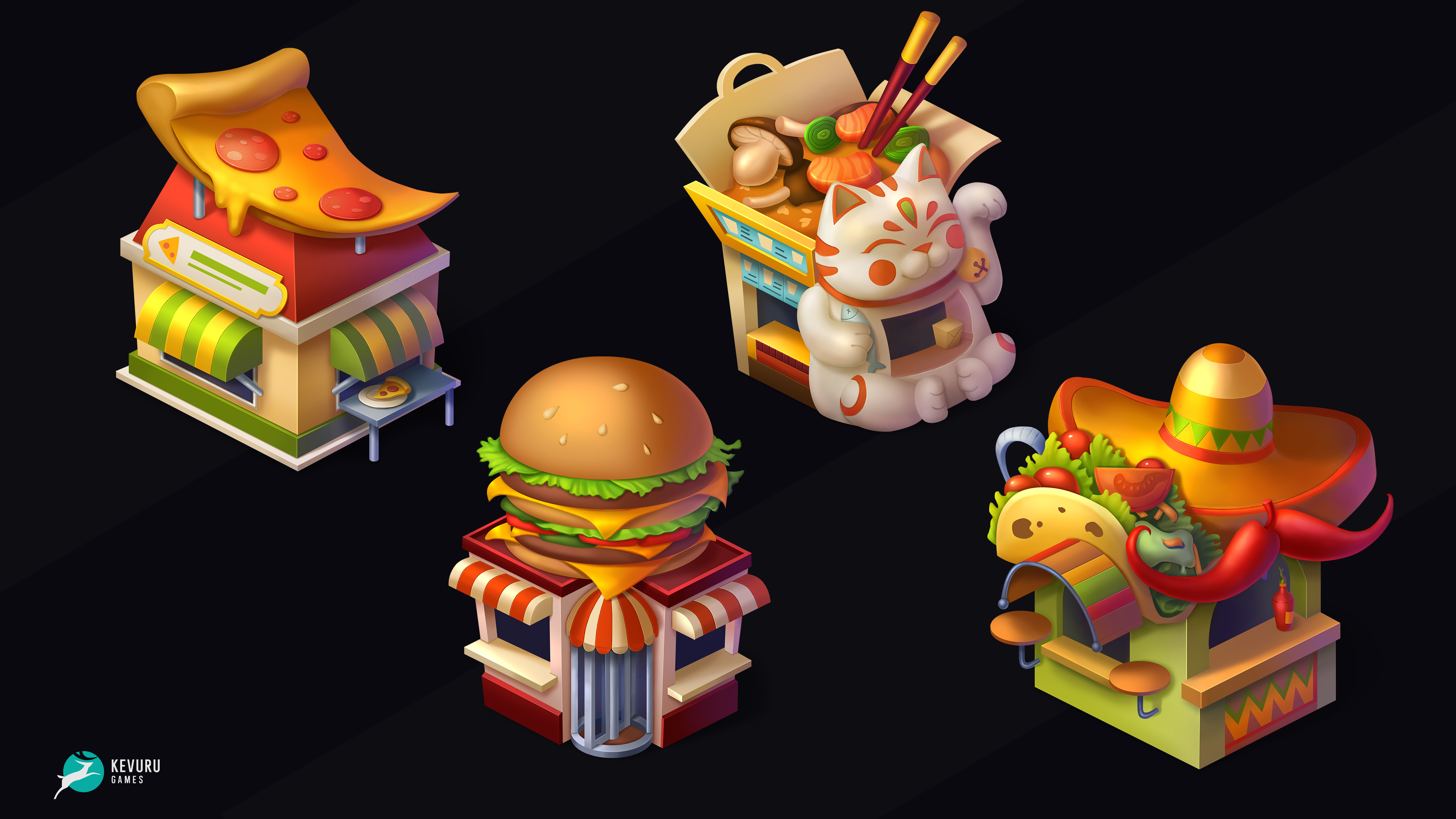
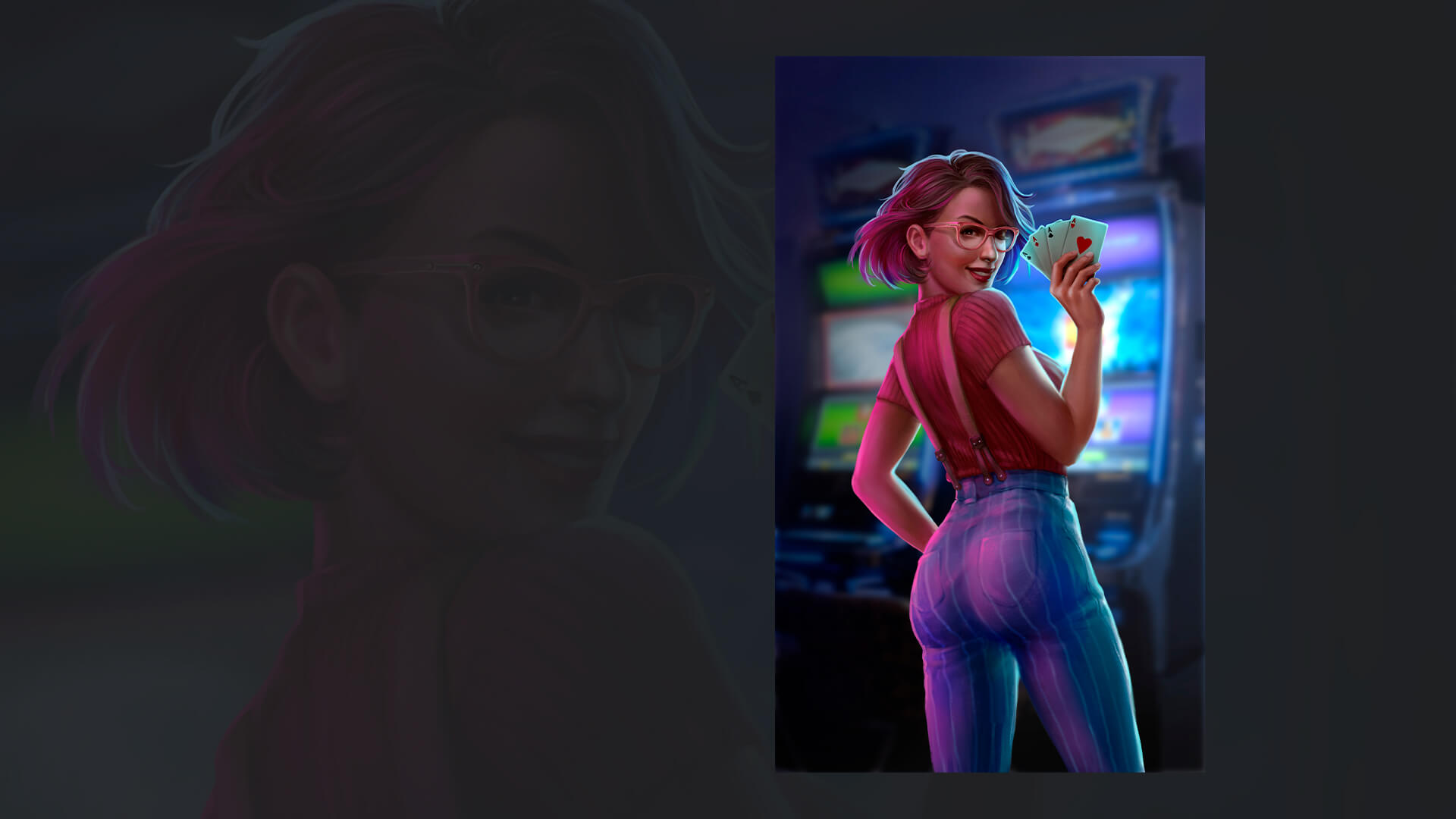
2D Art
3D Art
AAA Game Art
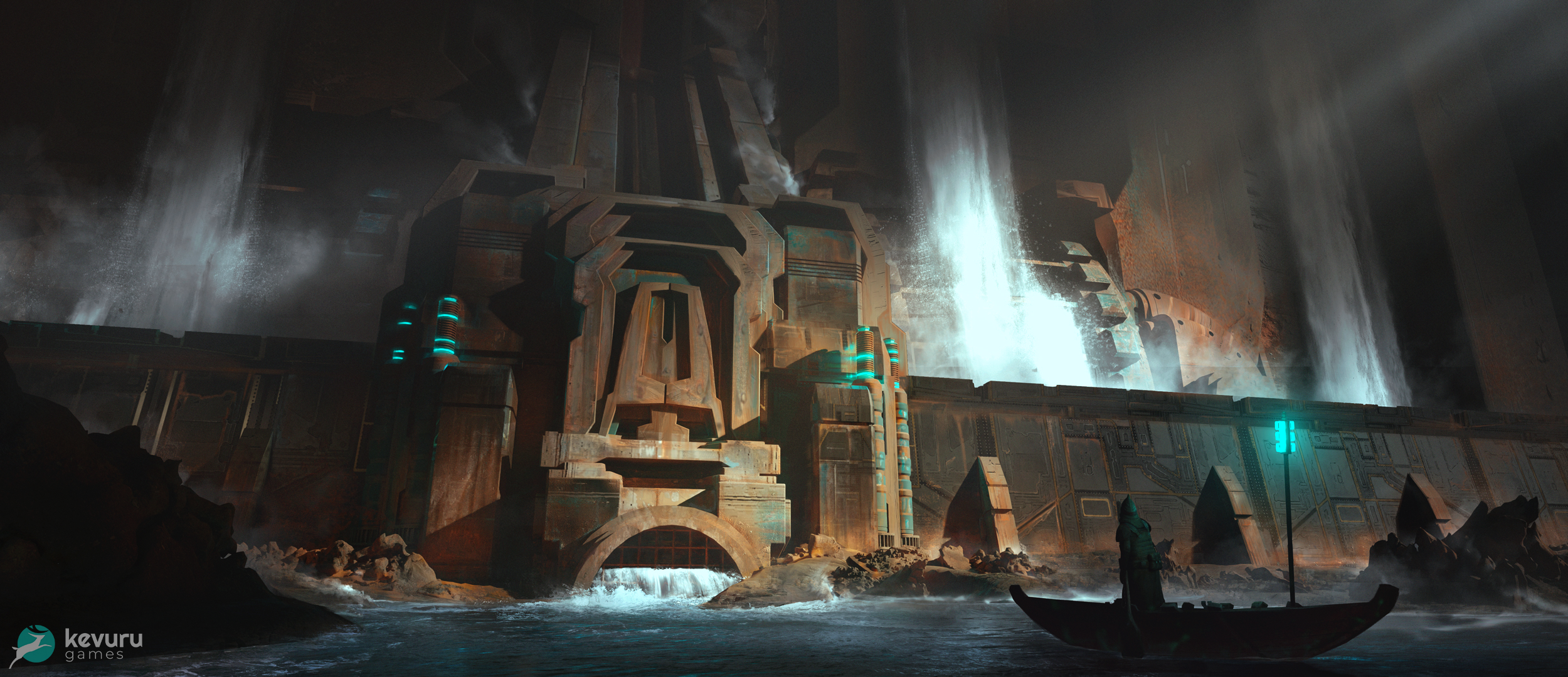
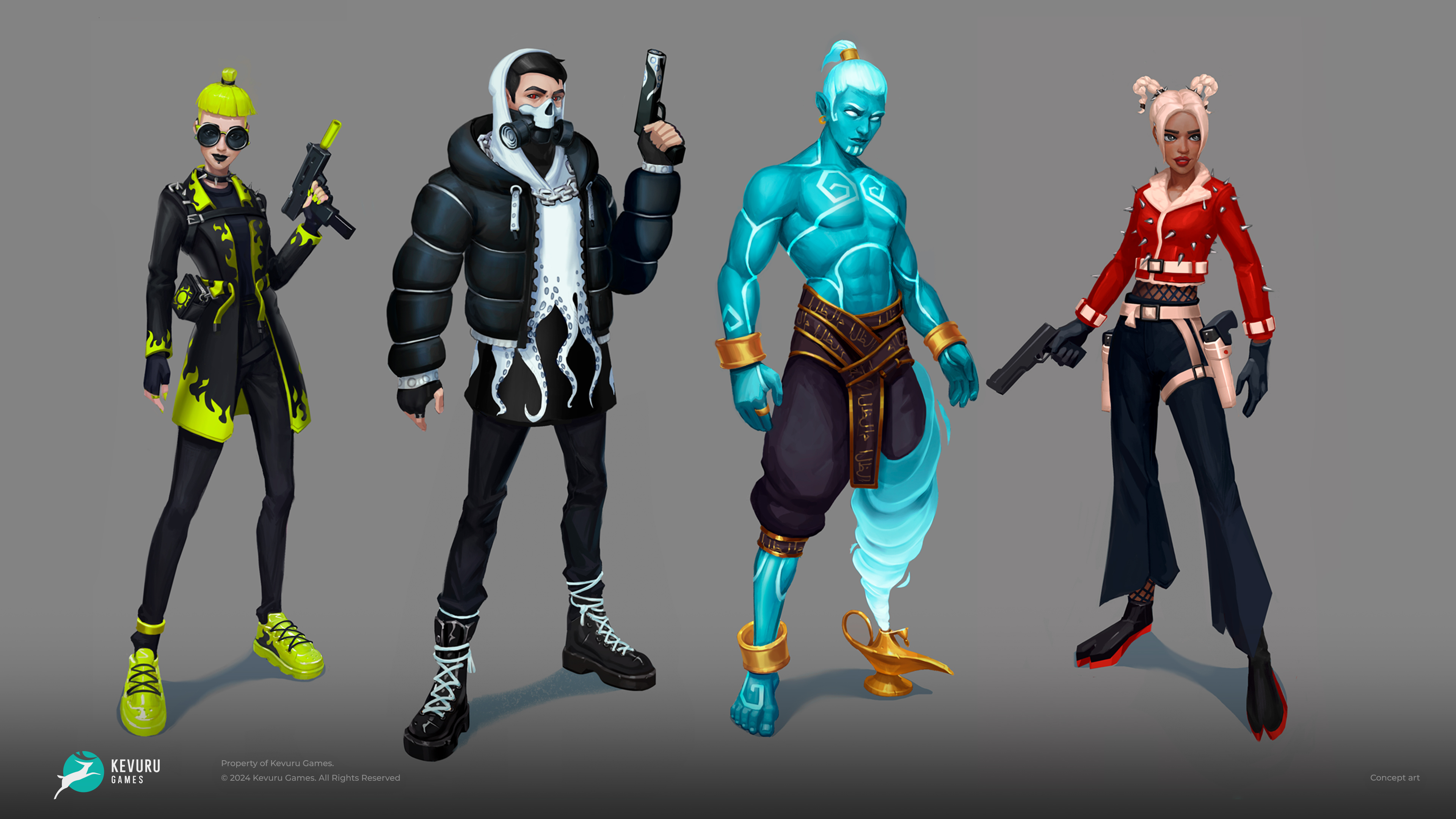
Concept Art
Environment design
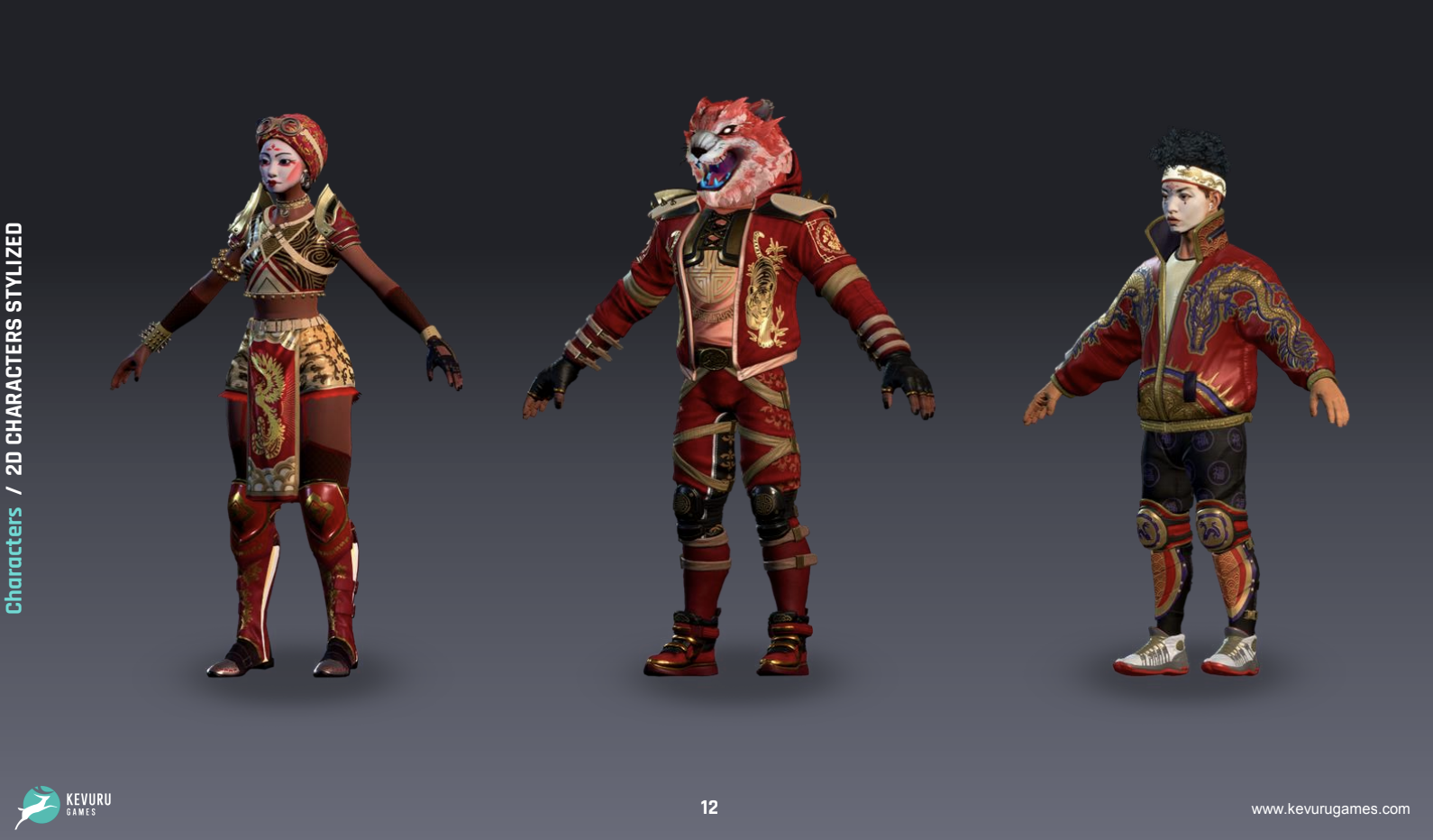
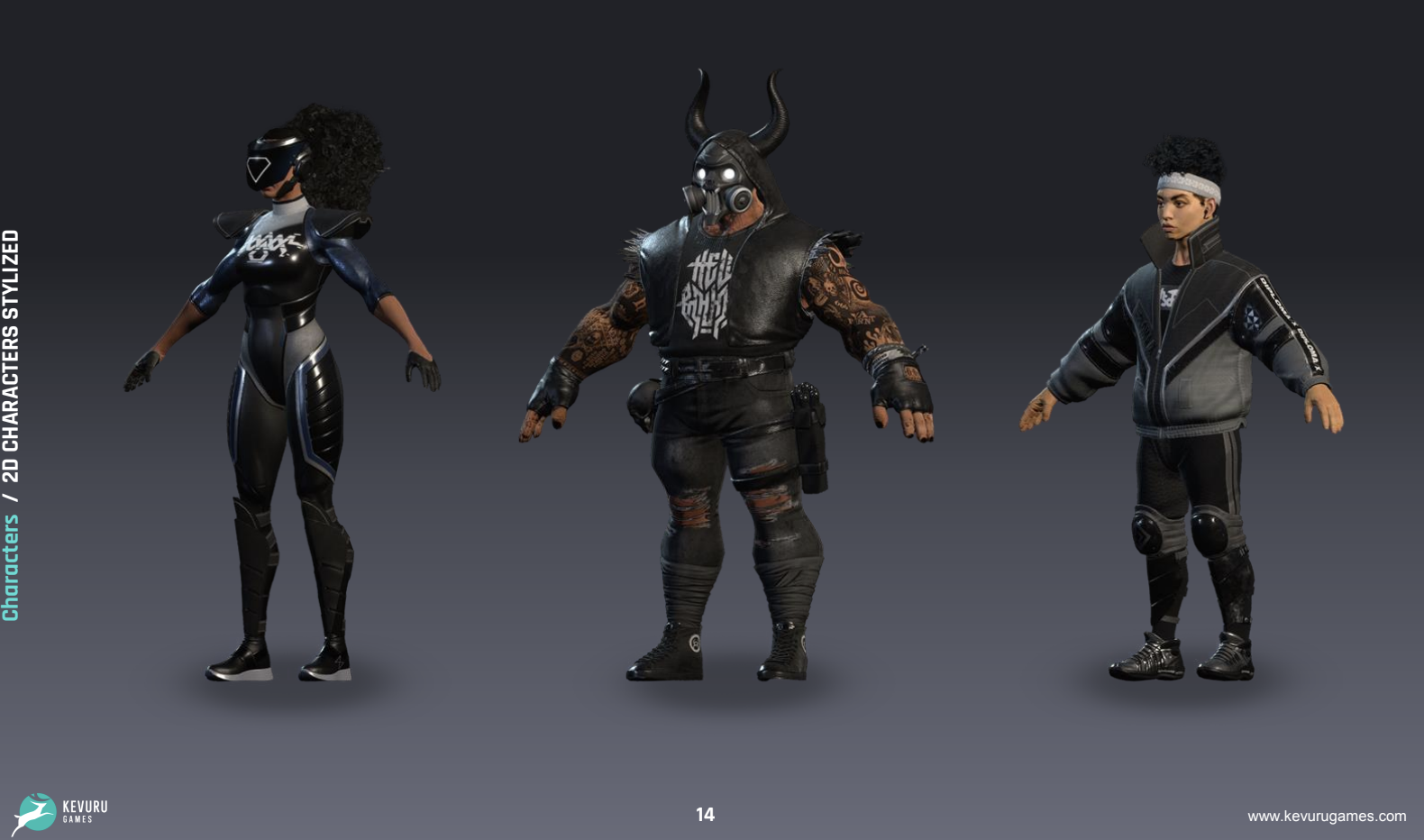
Character design






Game Art Development Portfolio
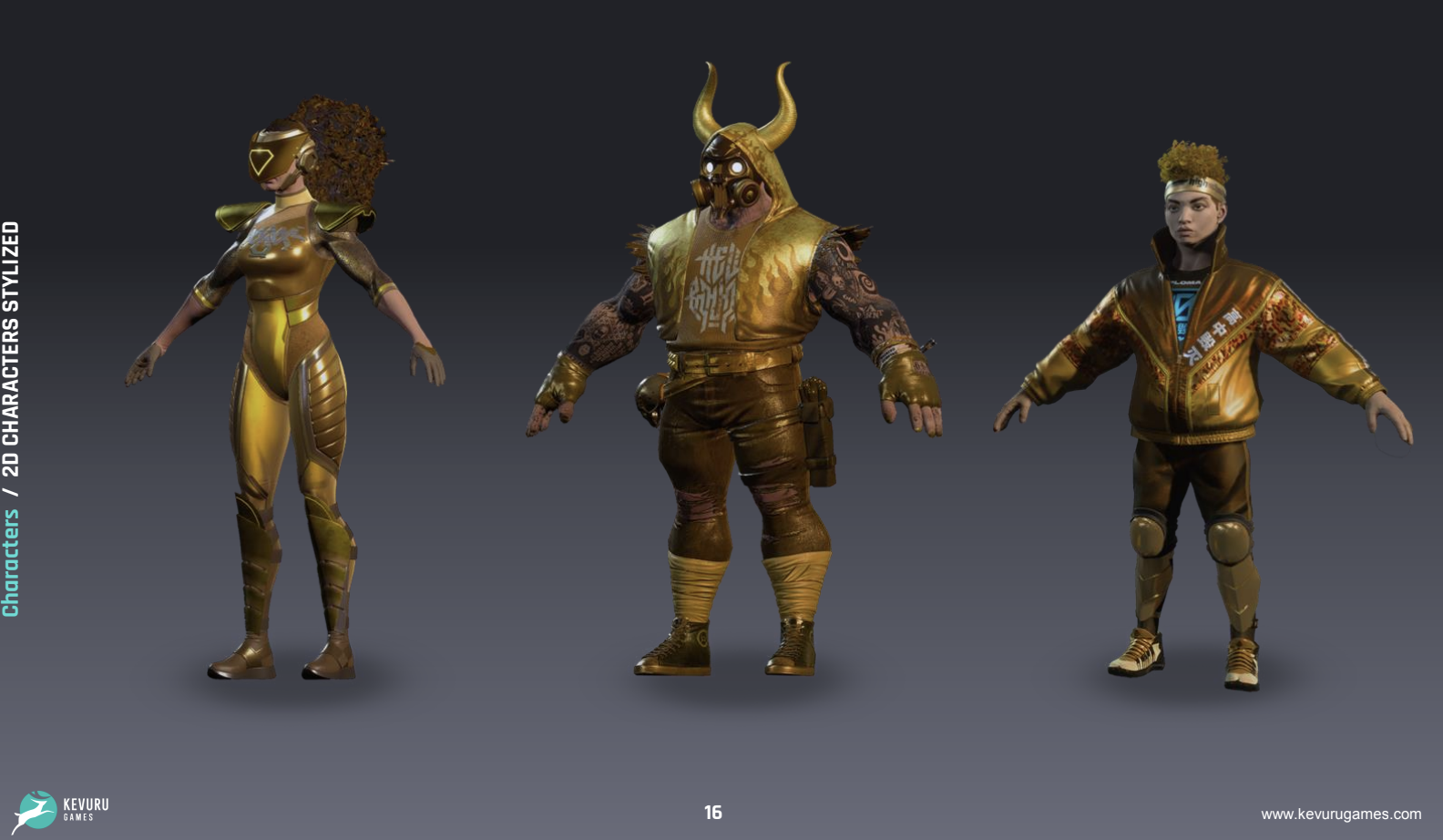
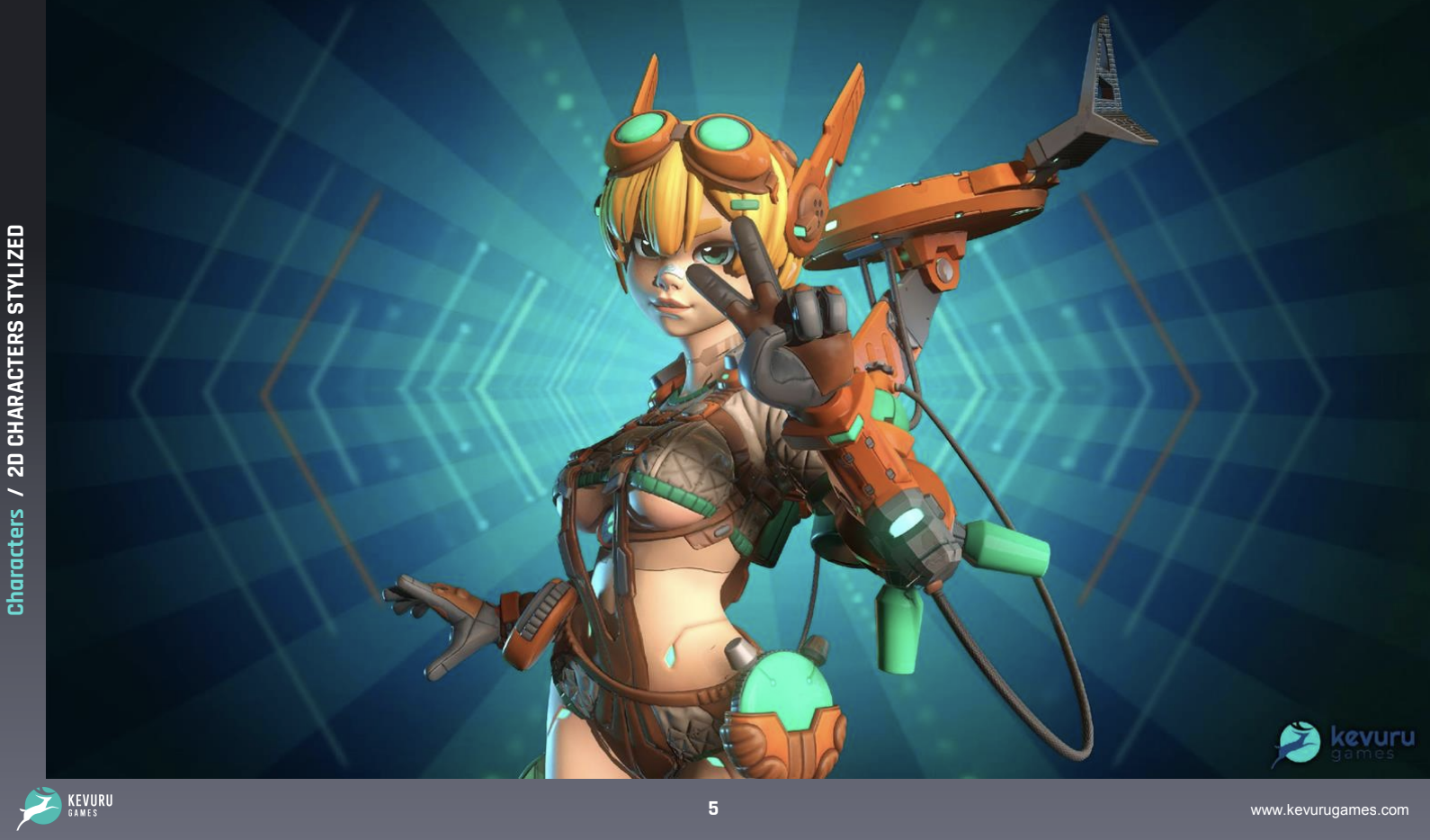
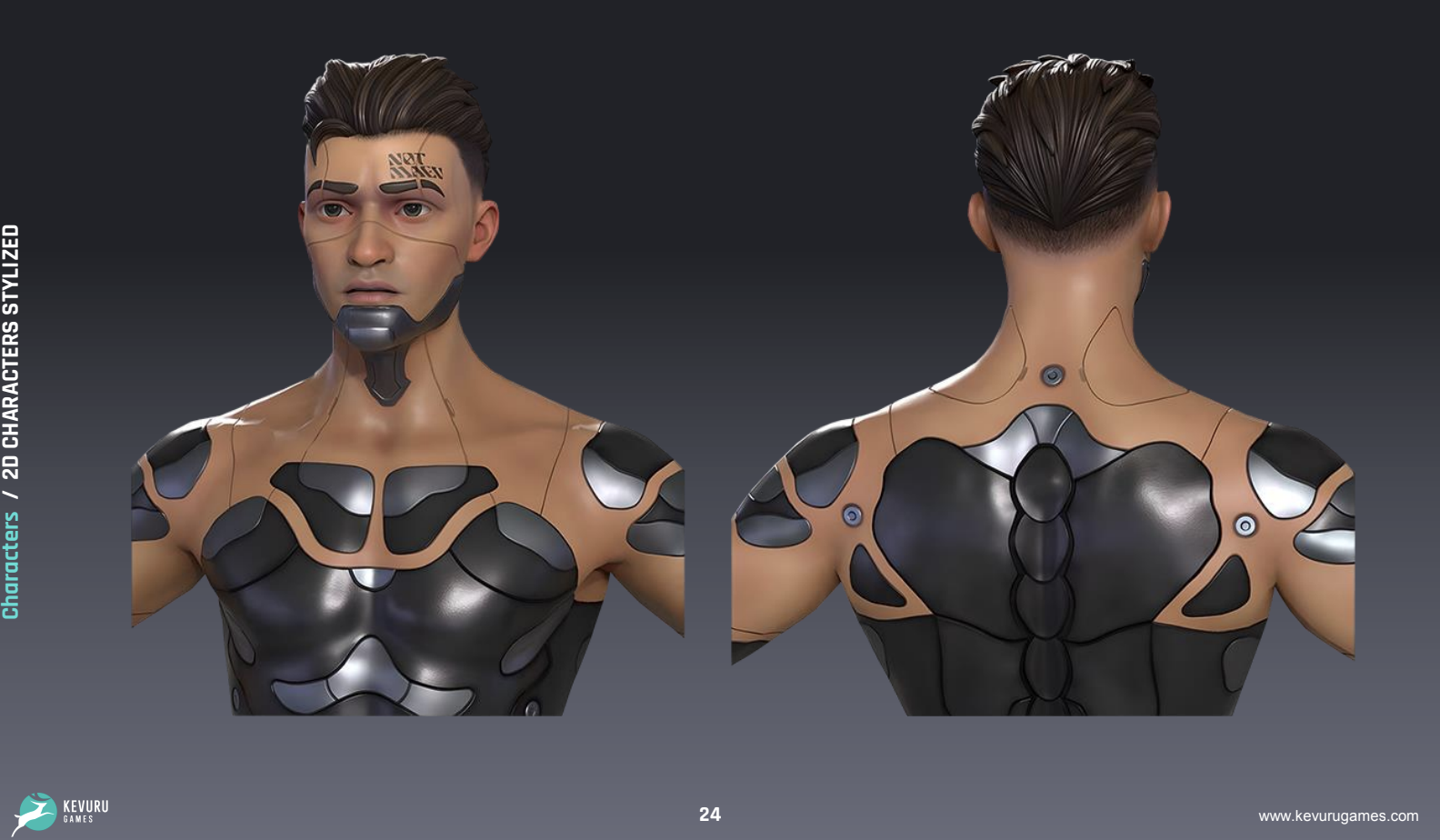
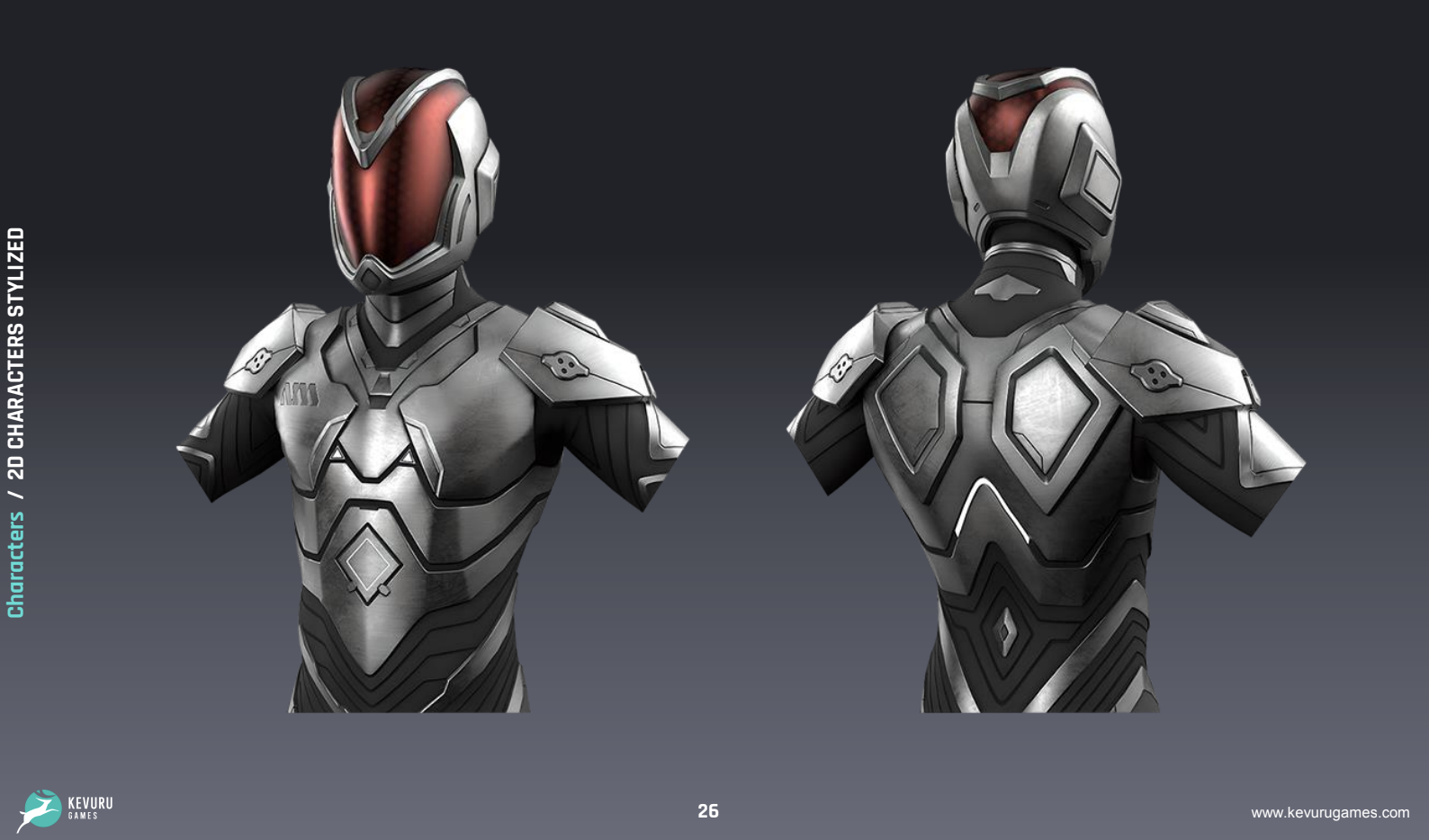
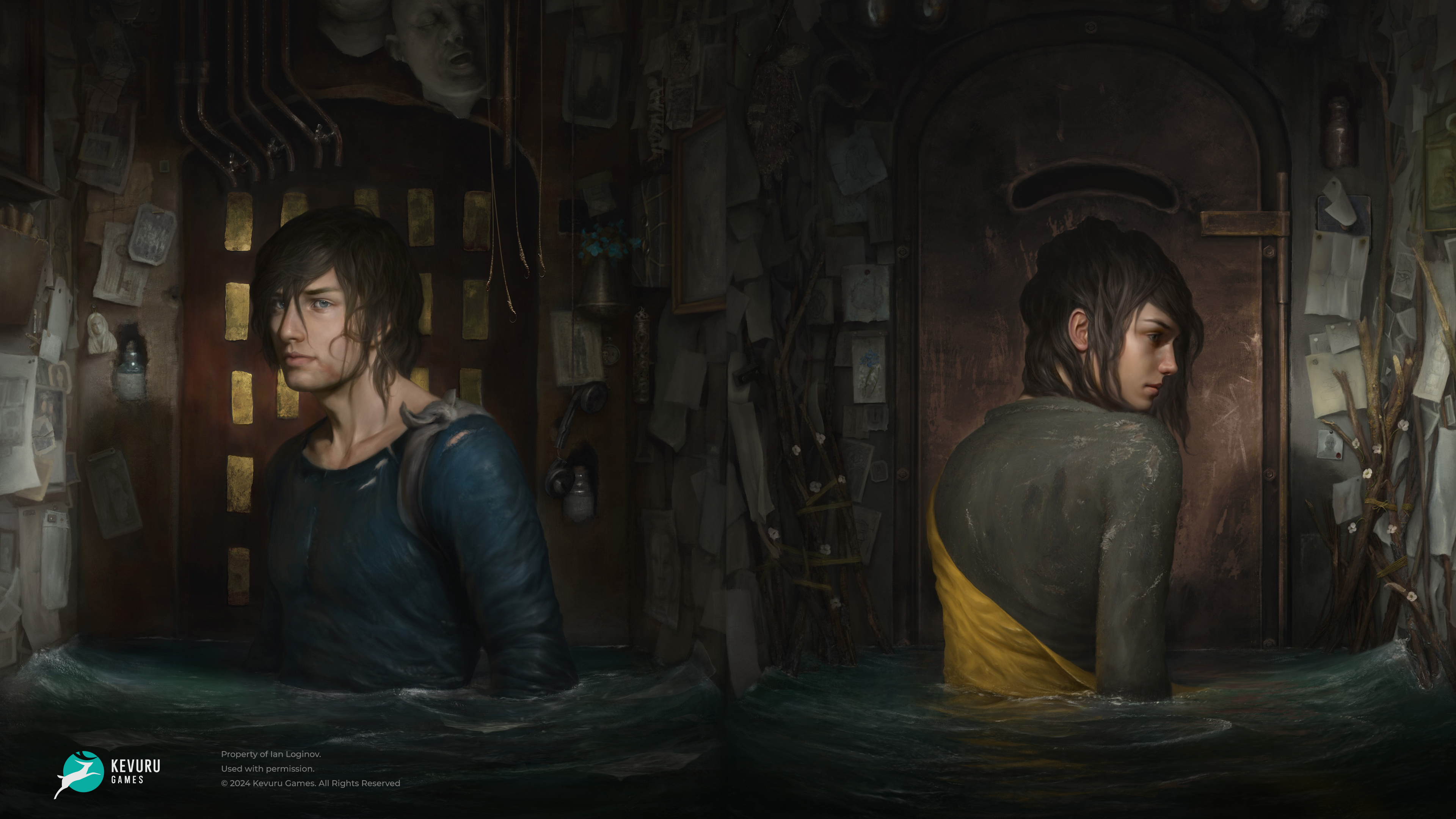
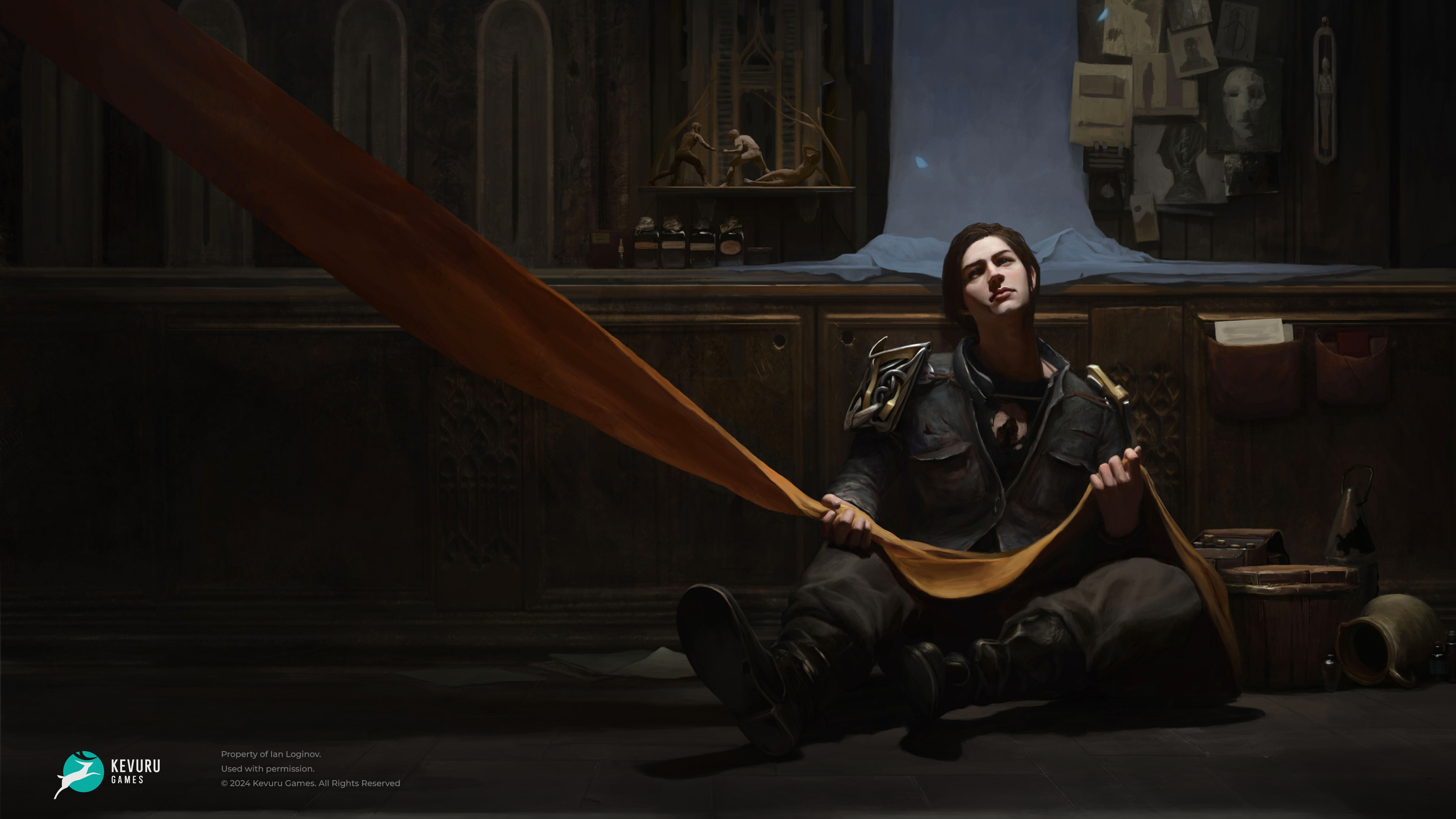
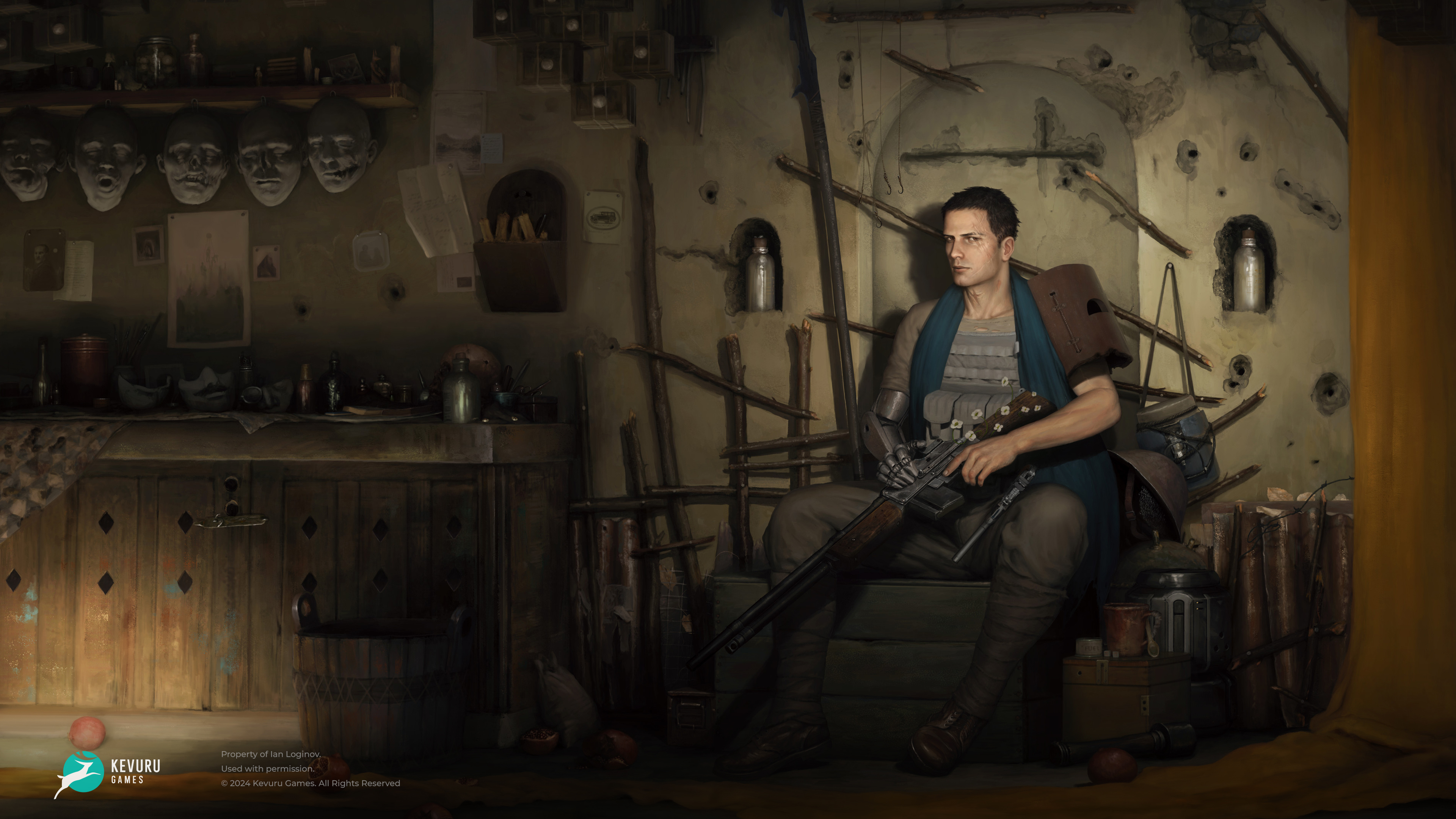
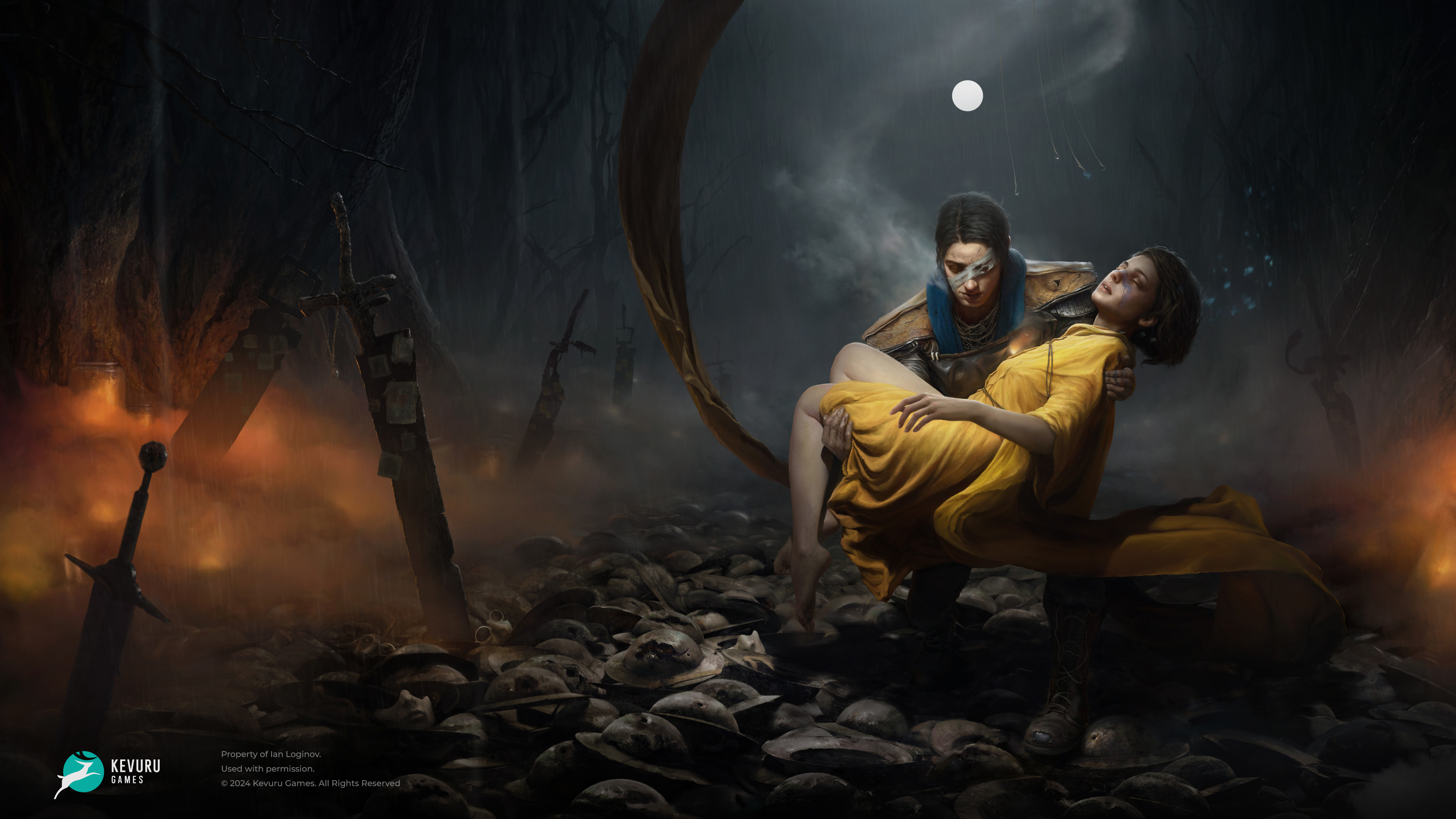
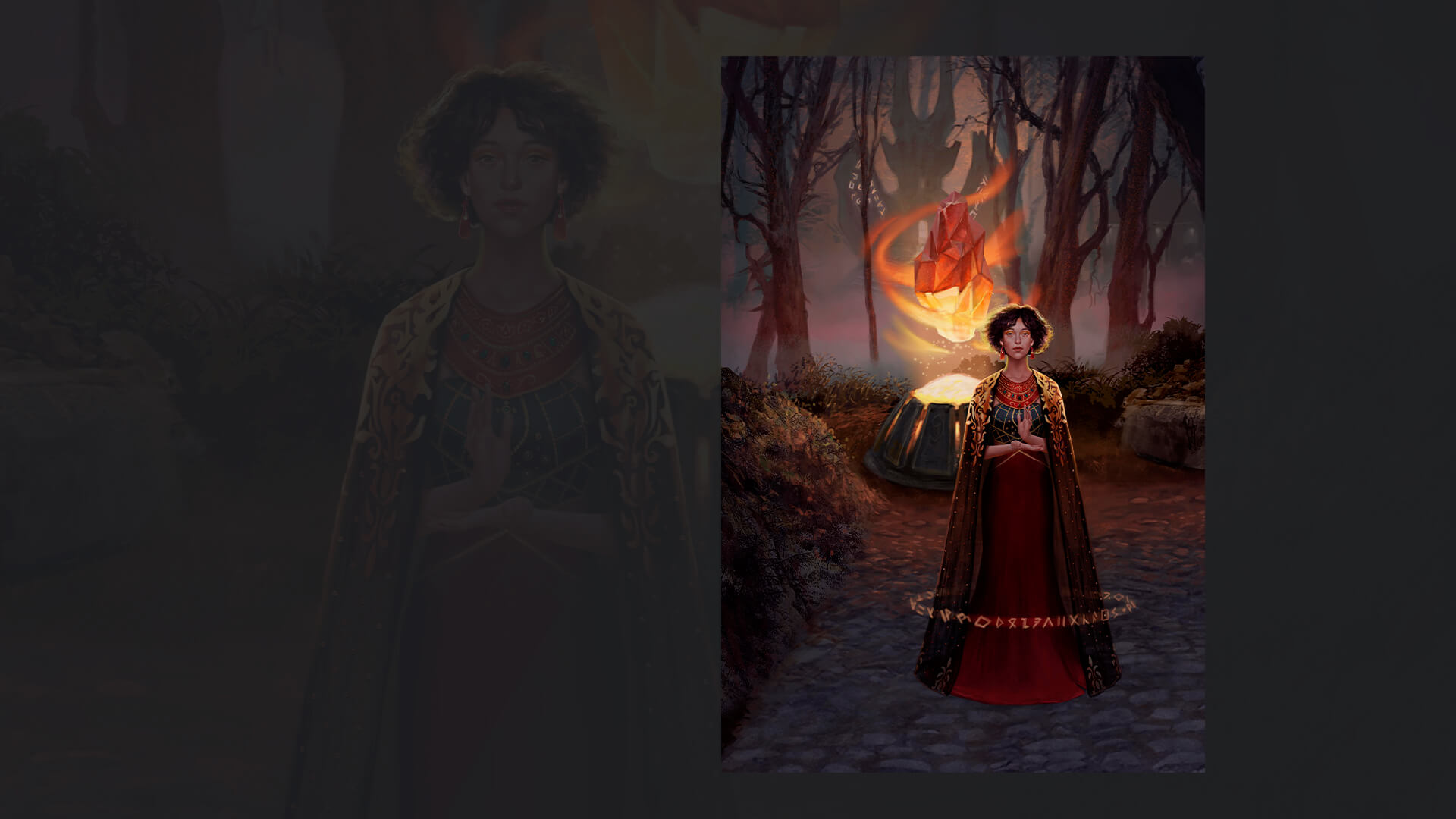
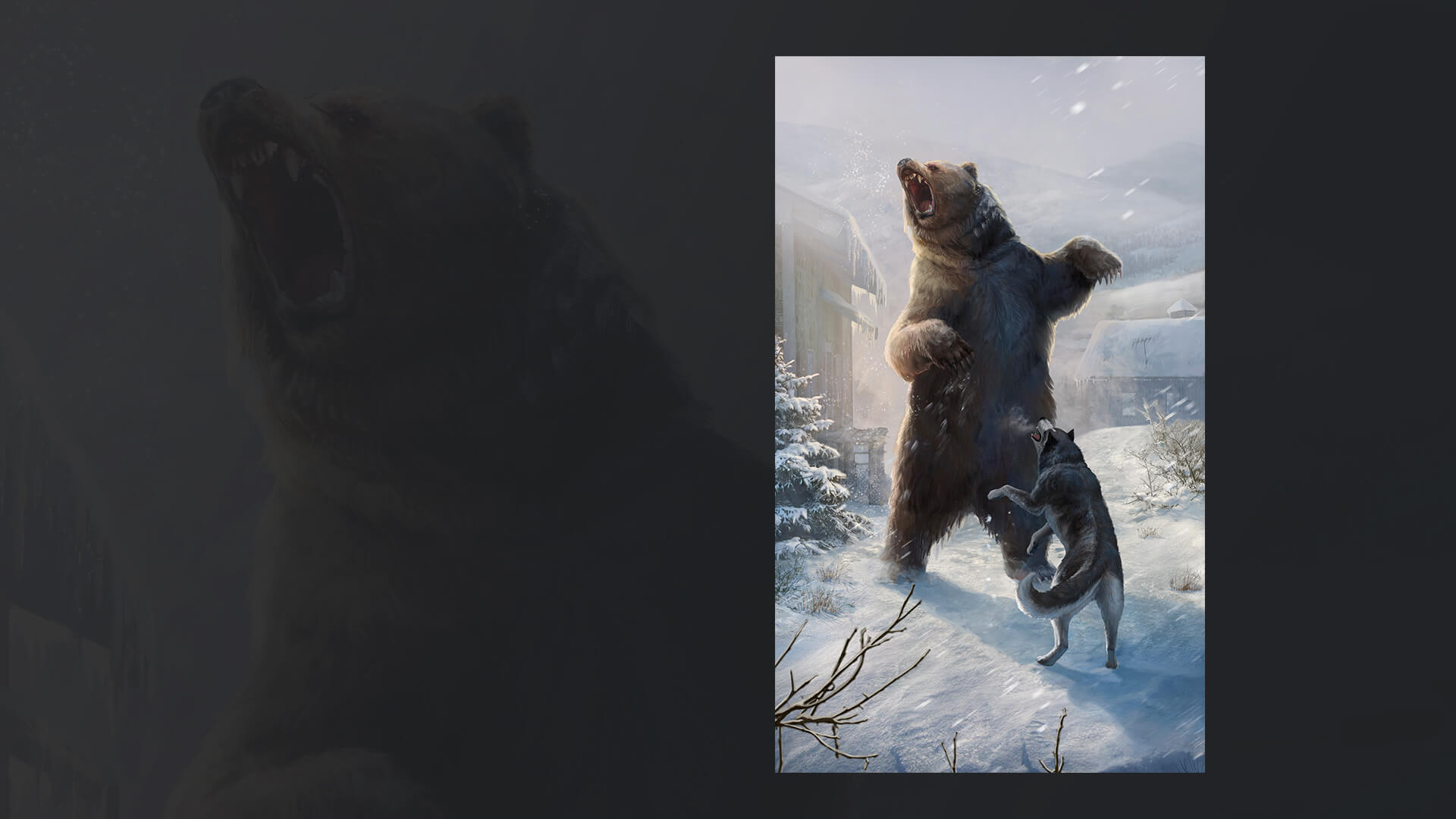
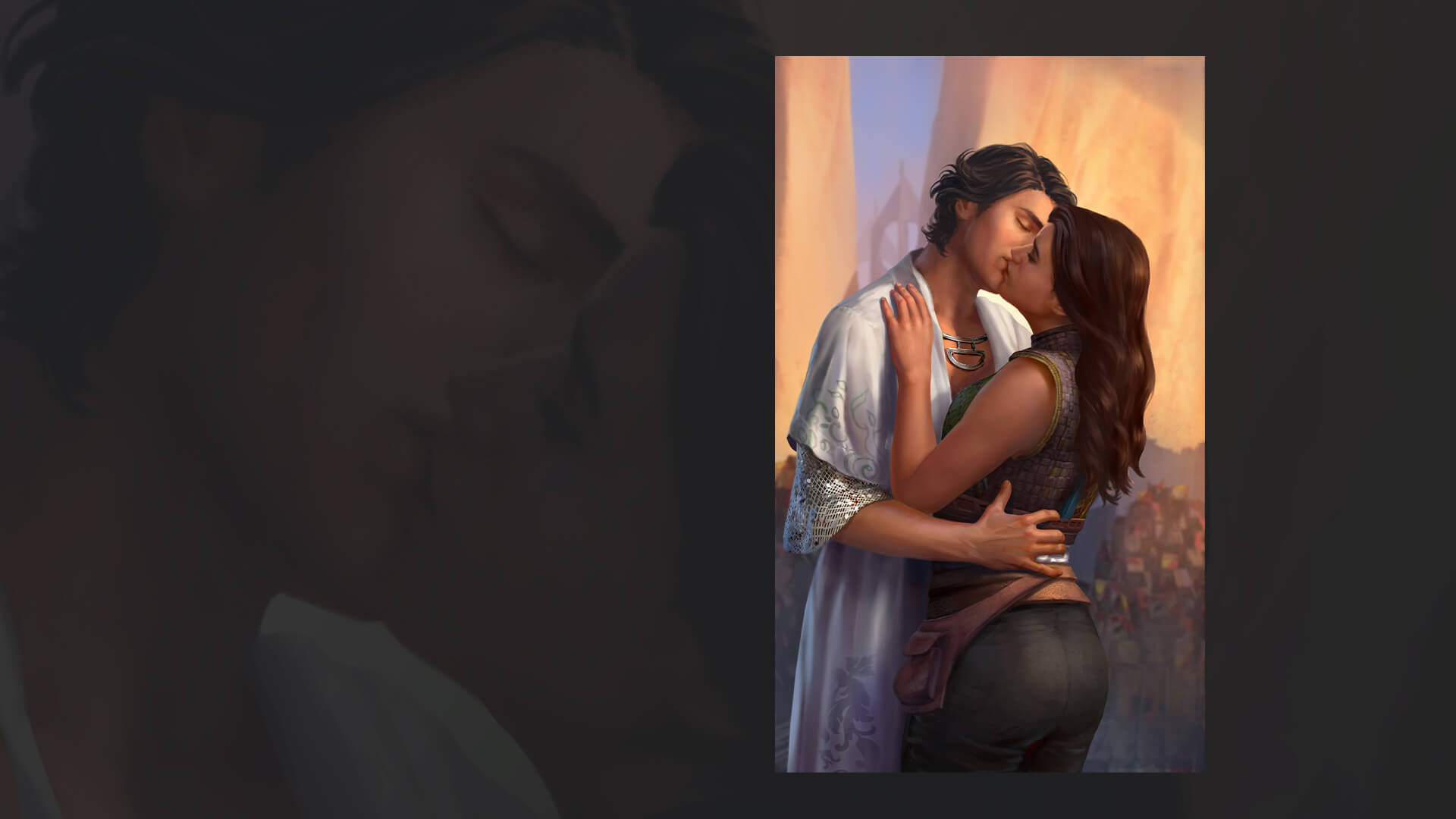
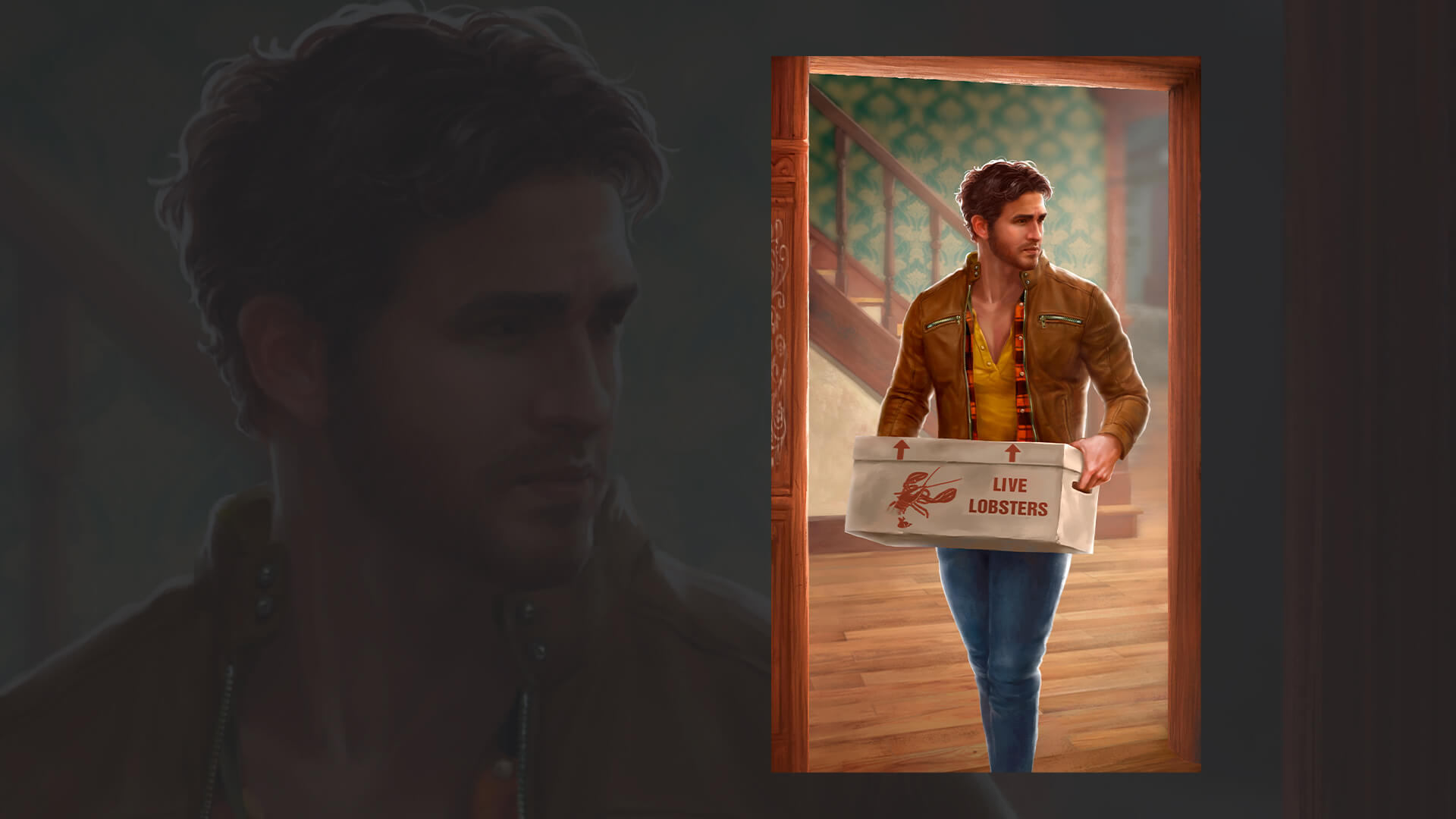
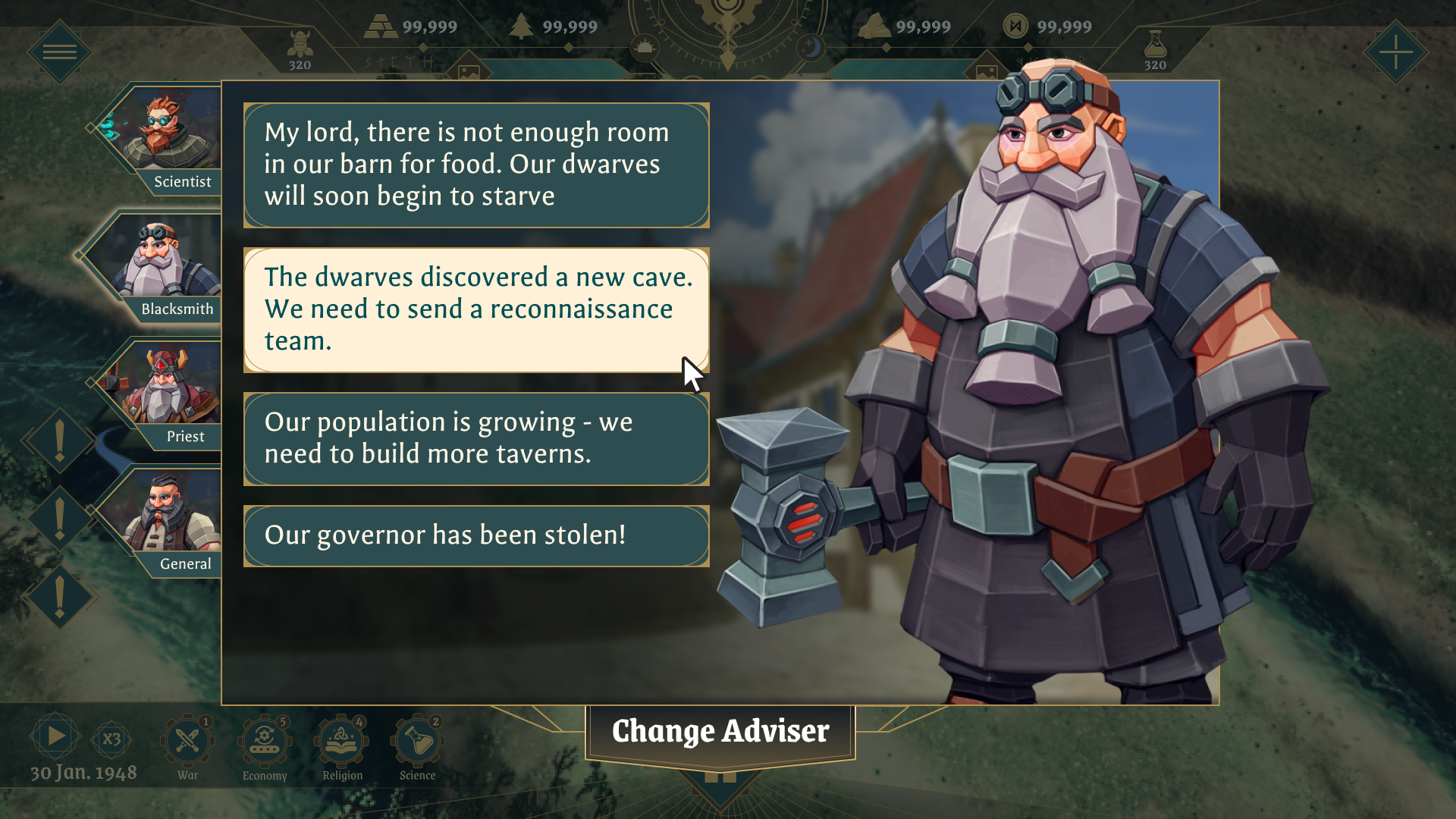
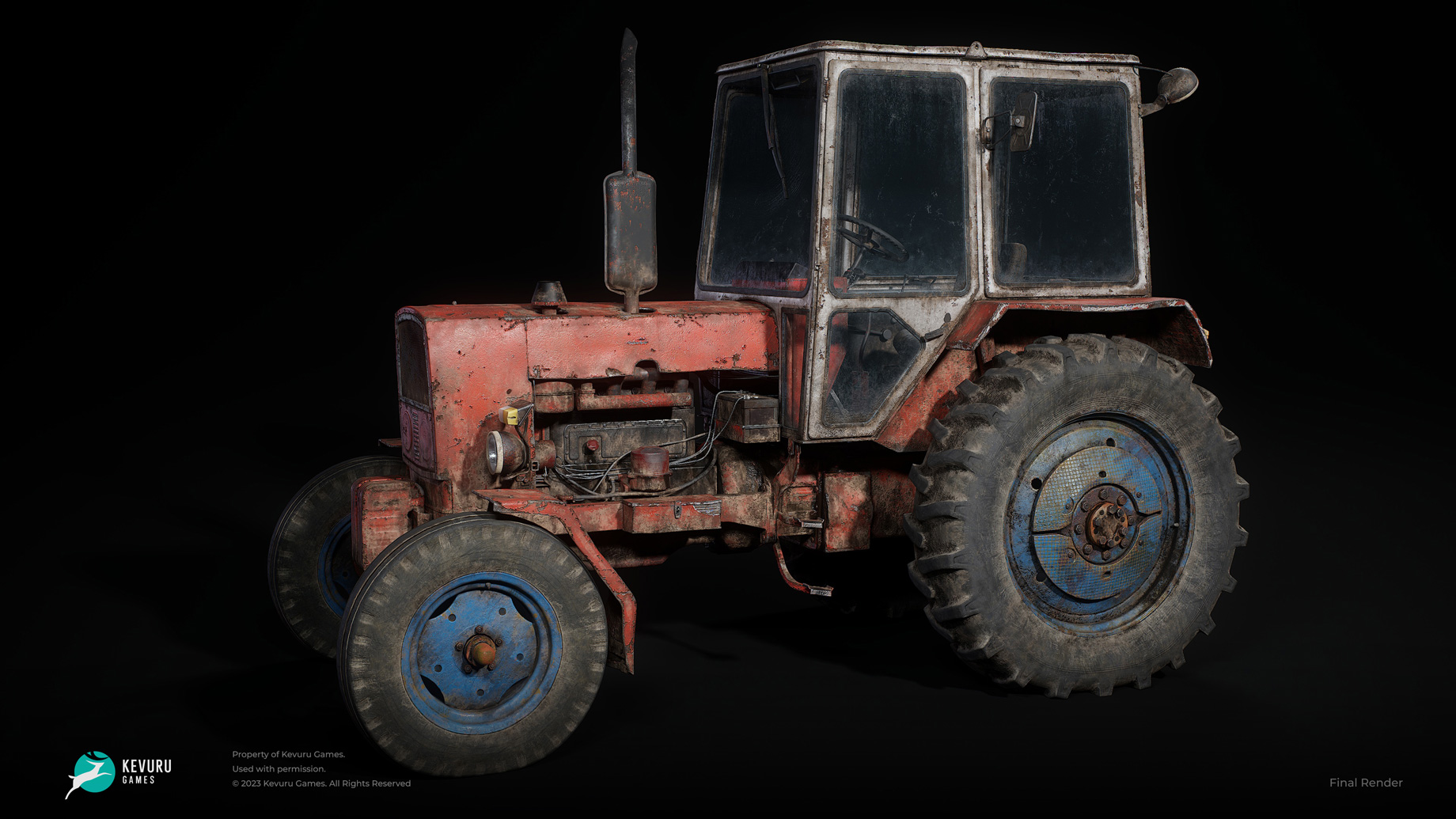
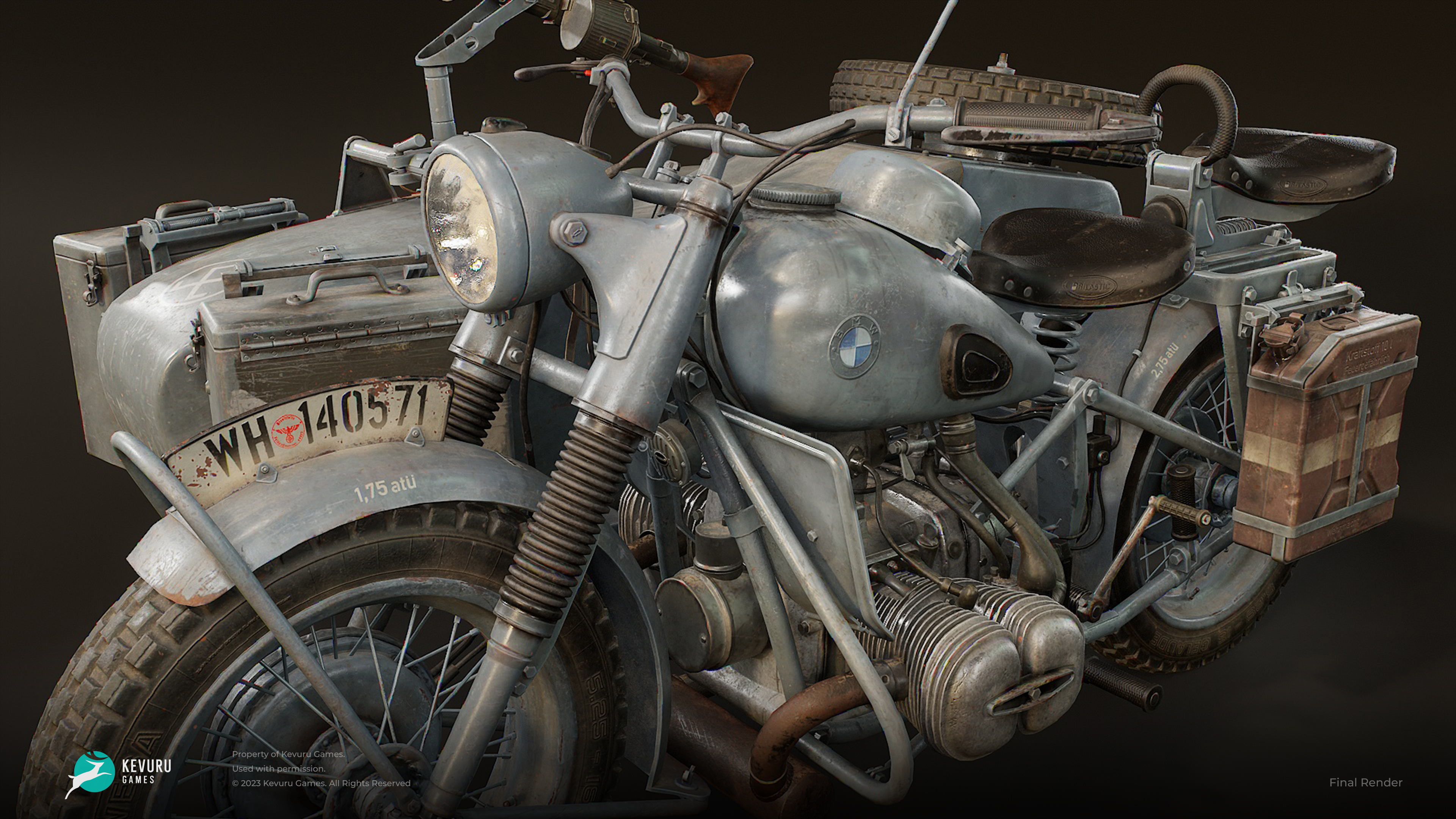
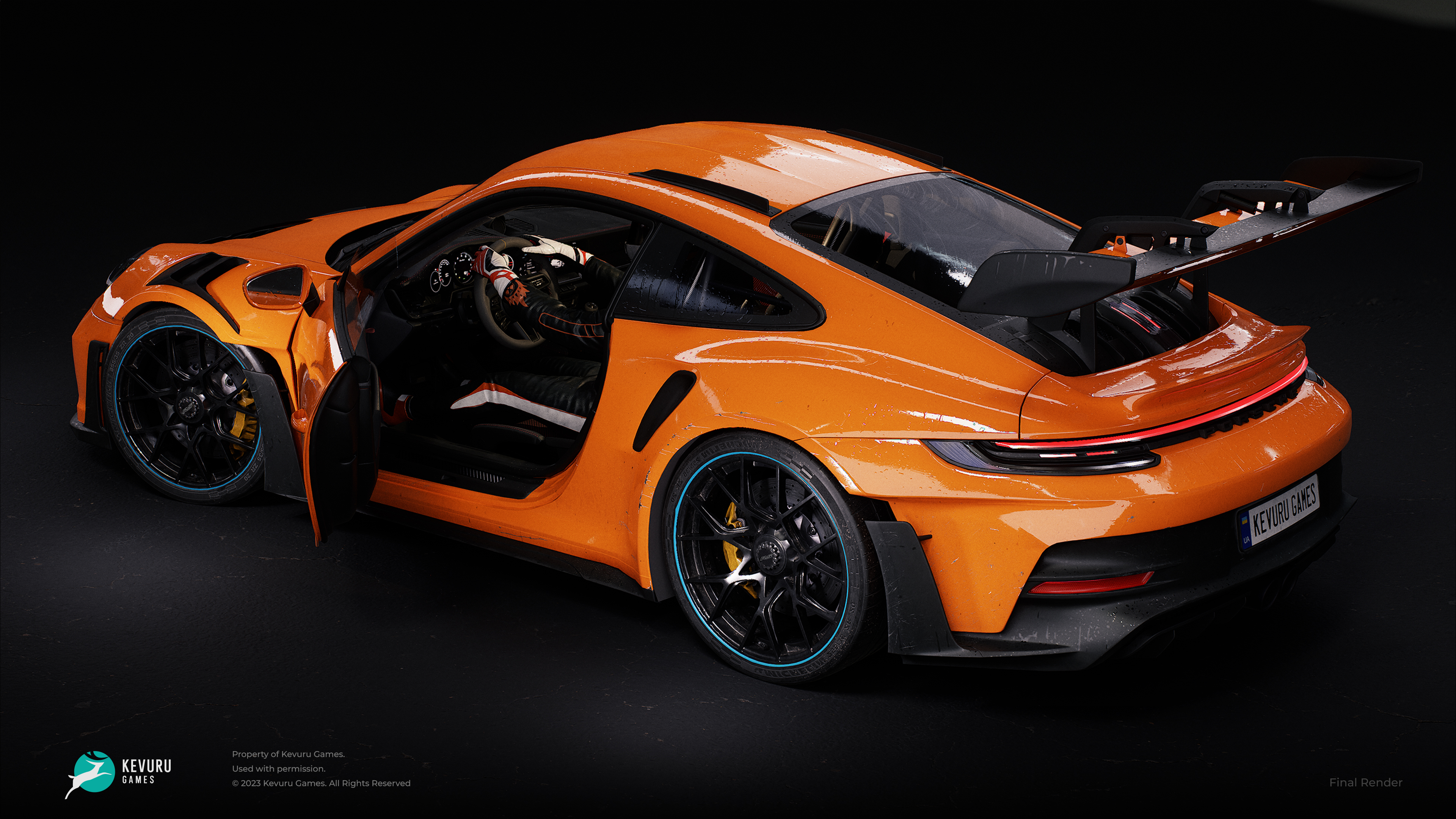
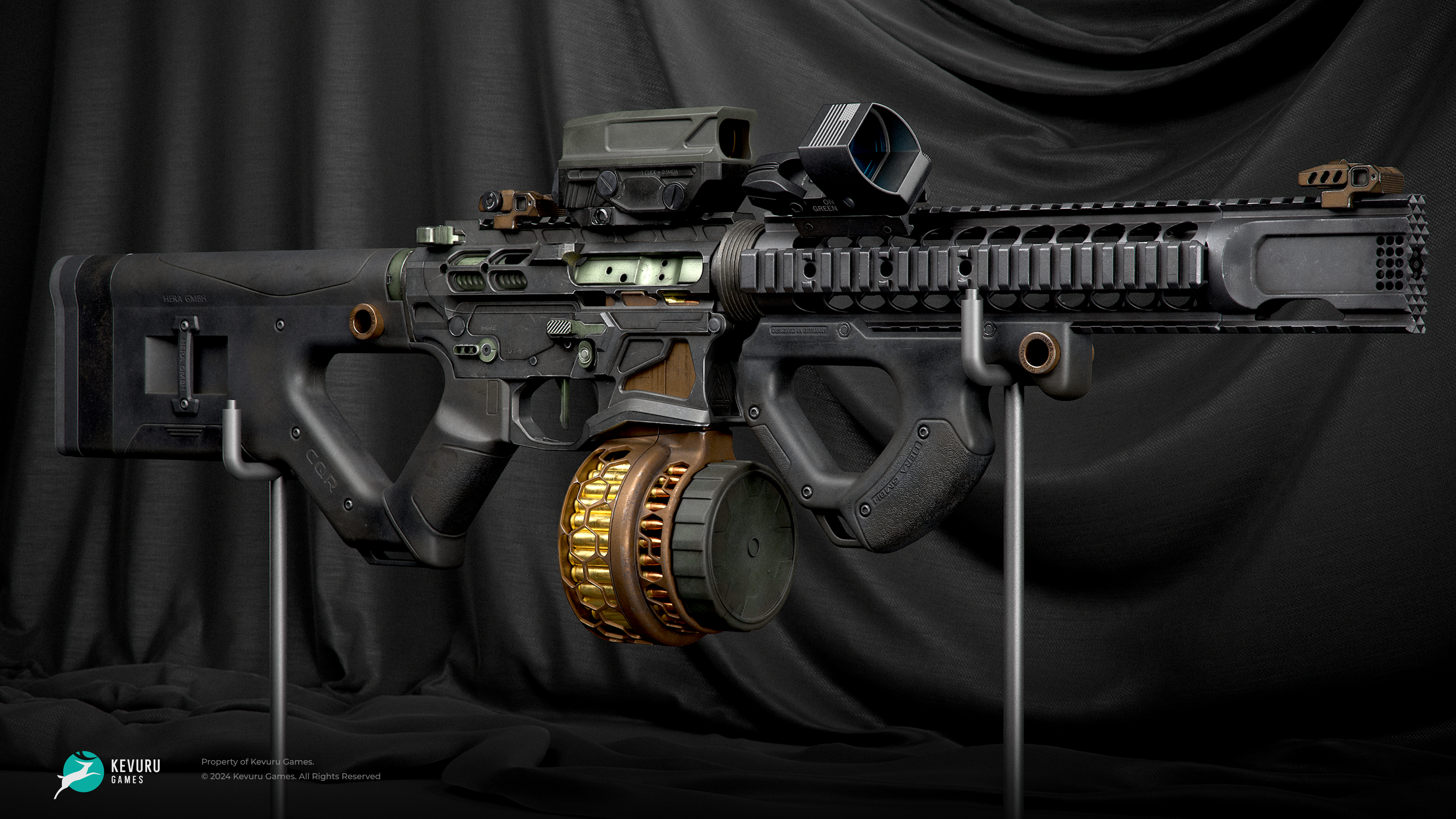
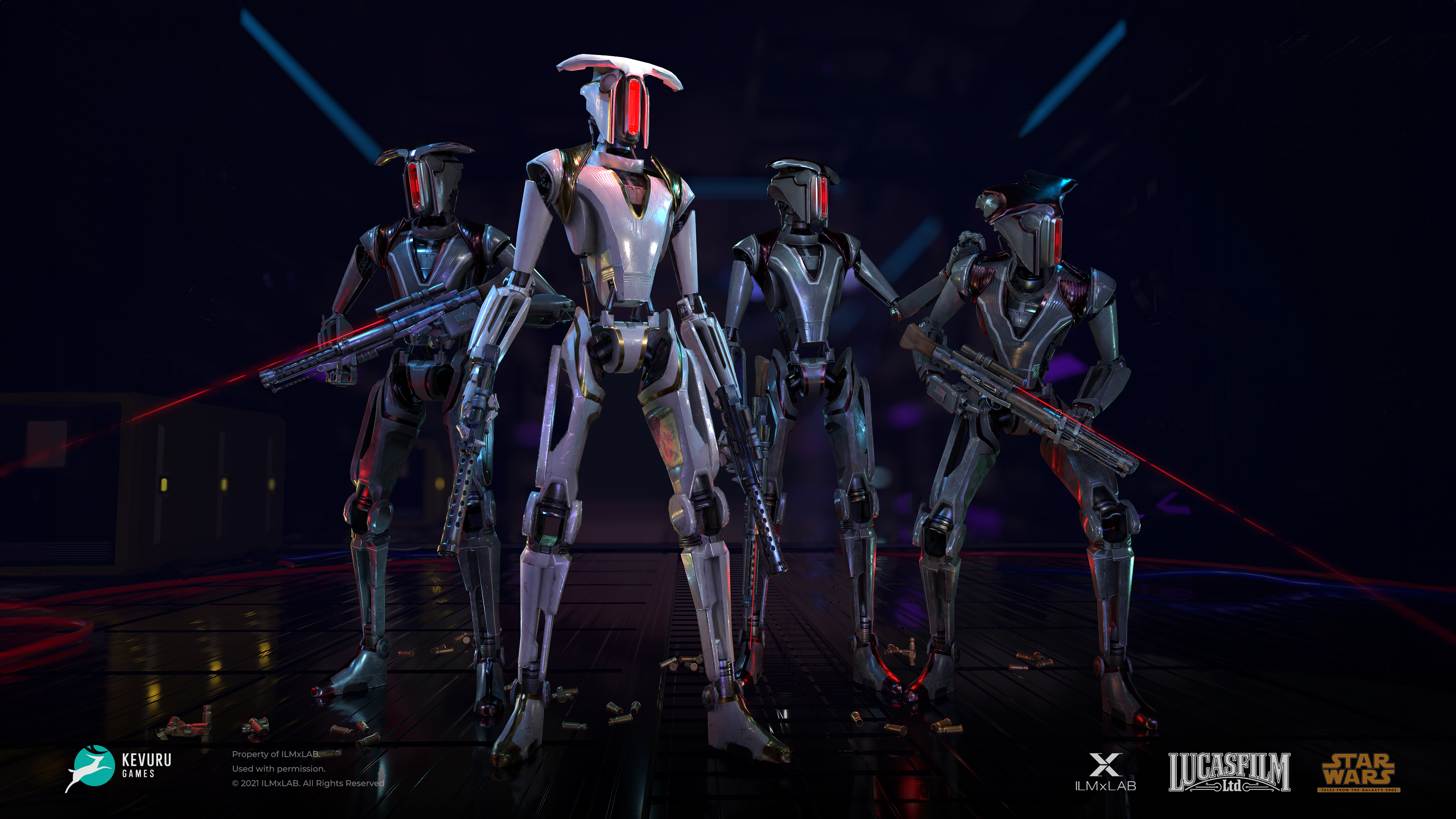
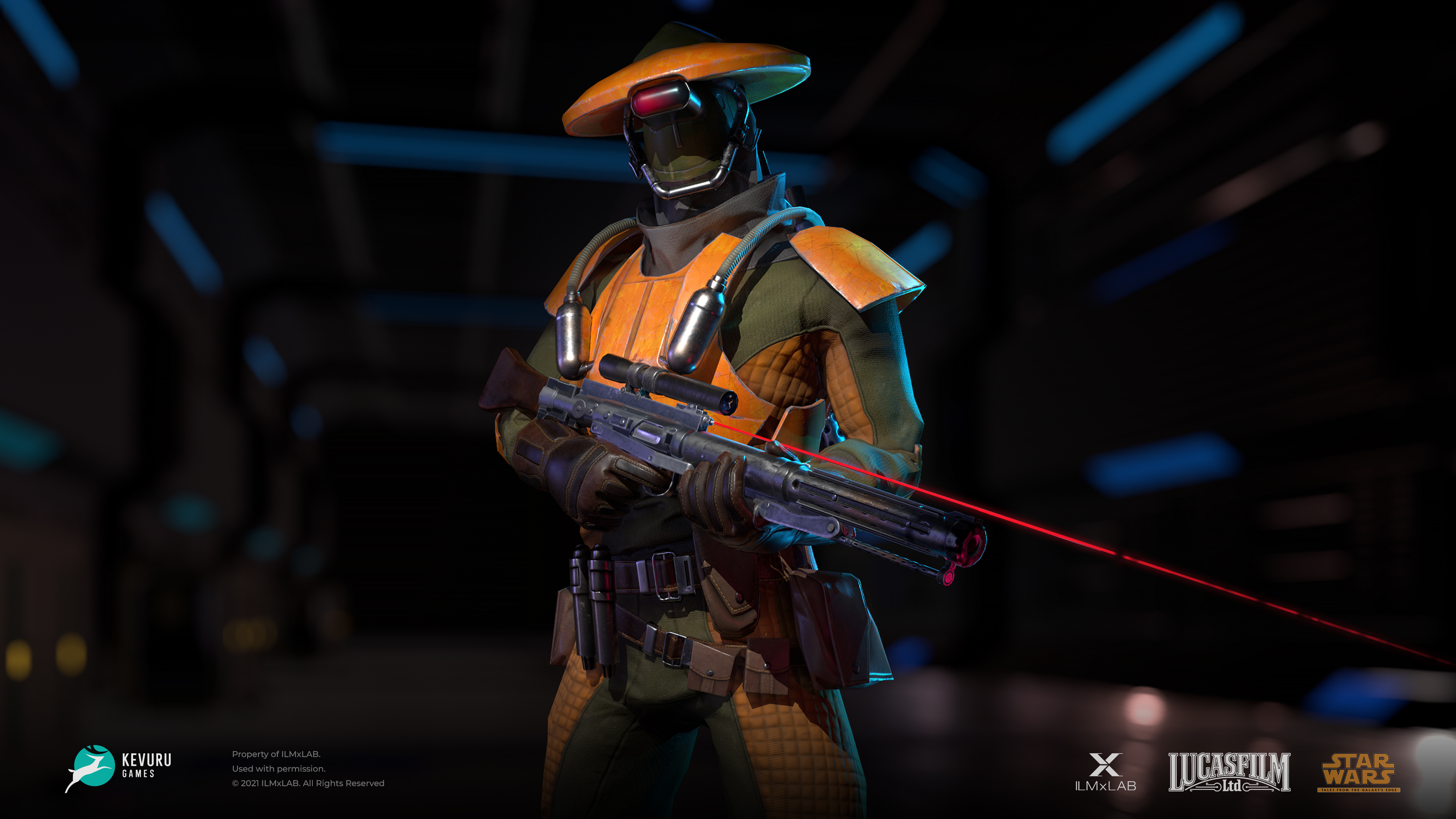
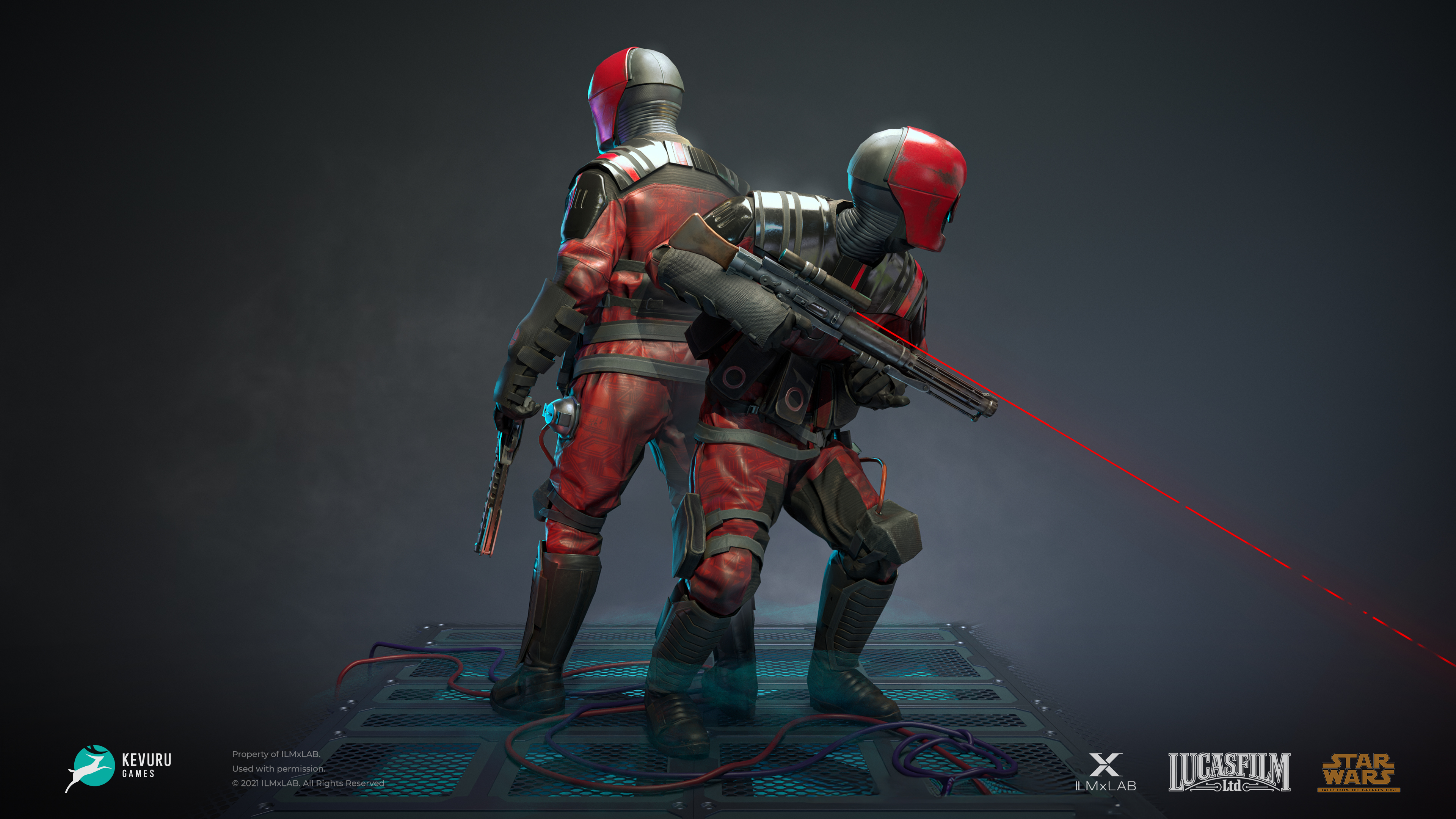
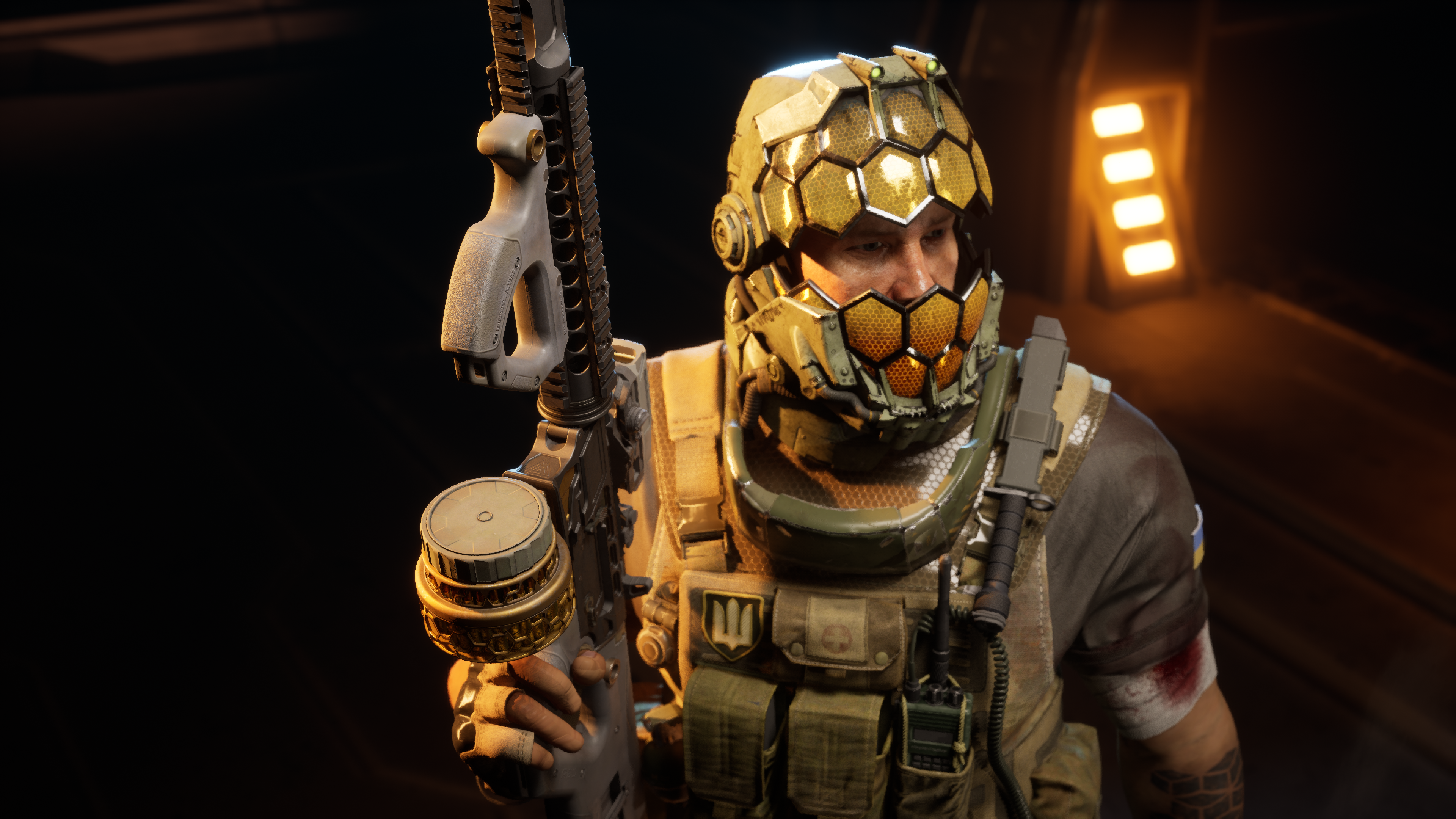
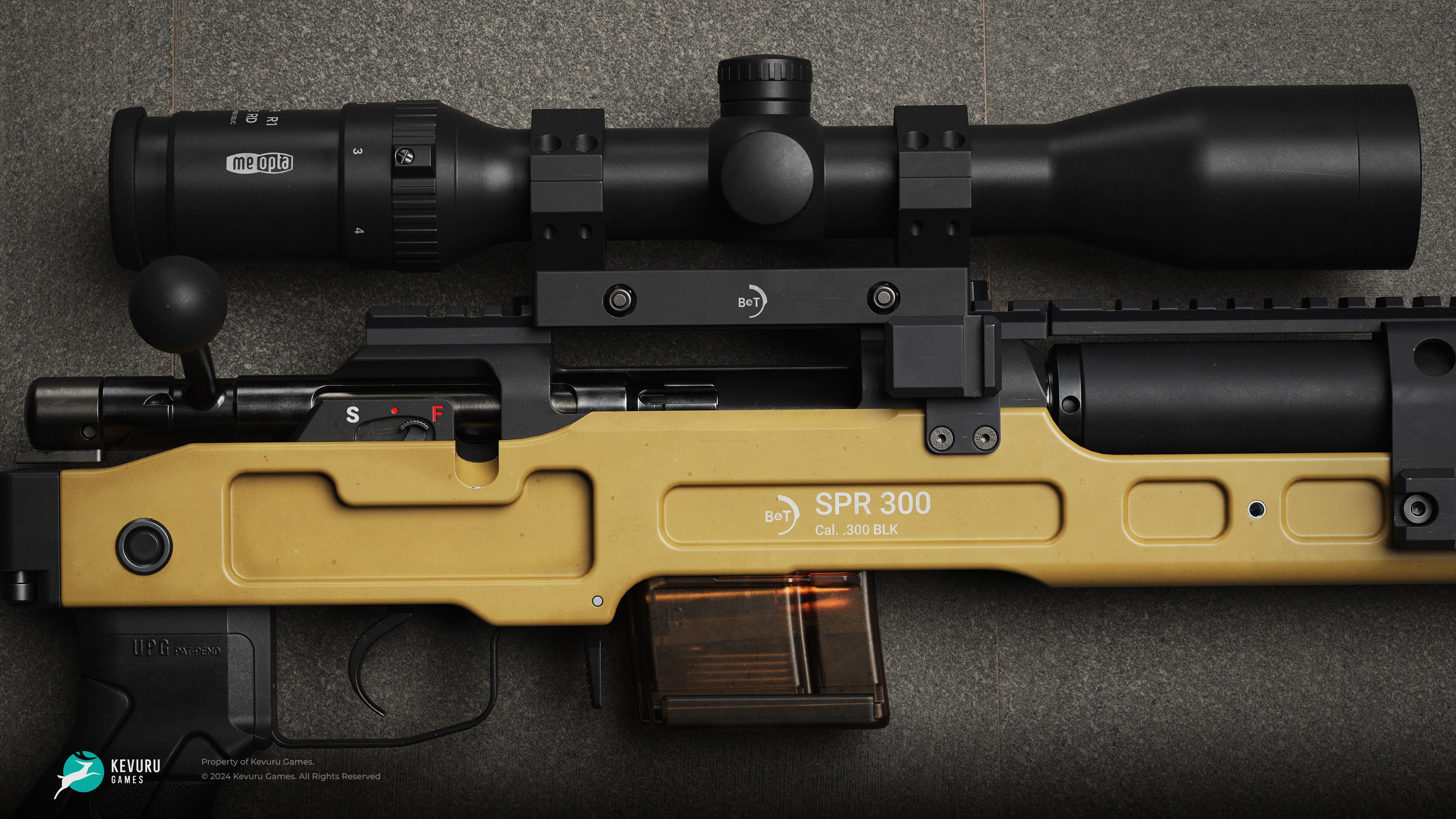
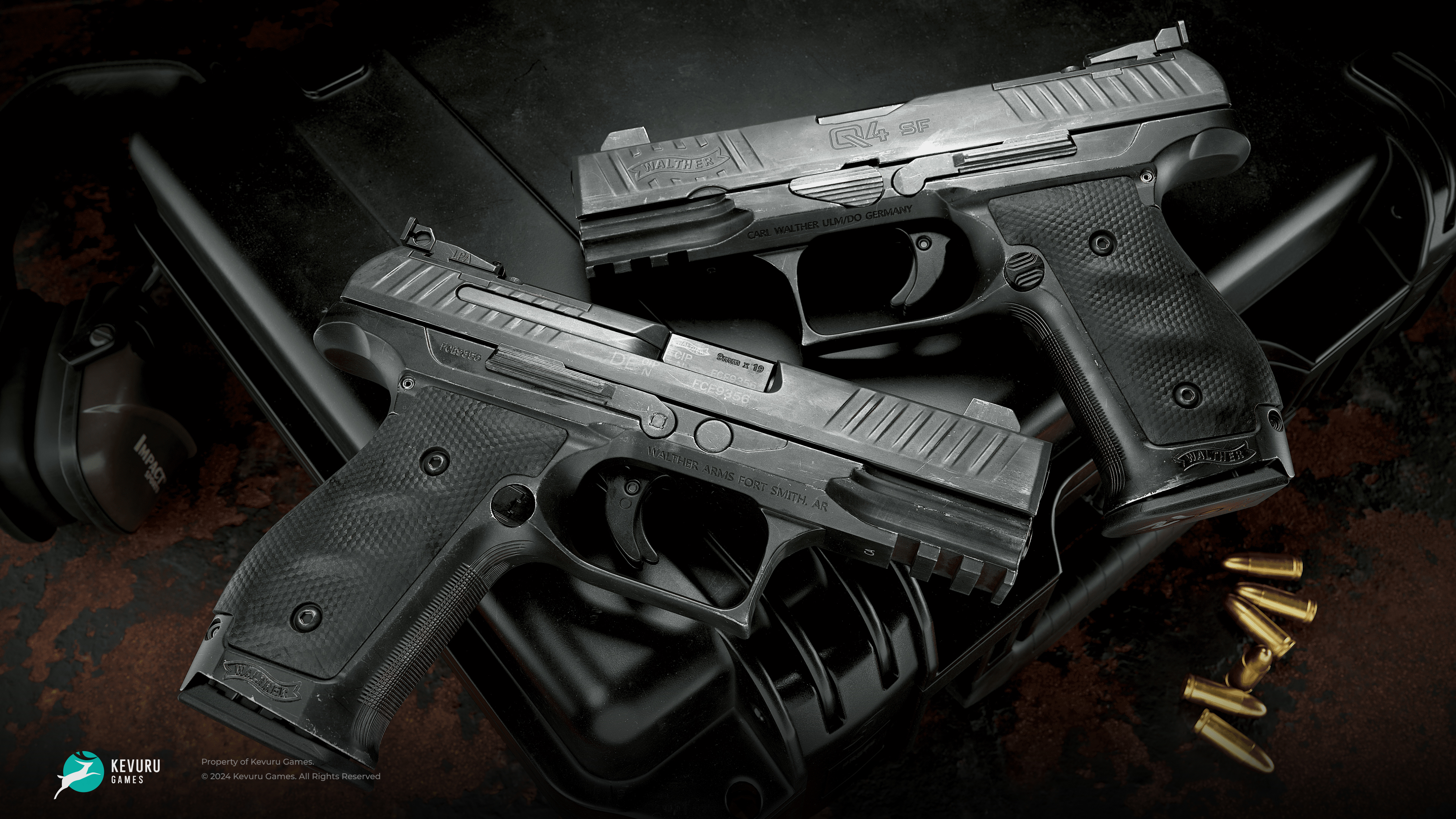
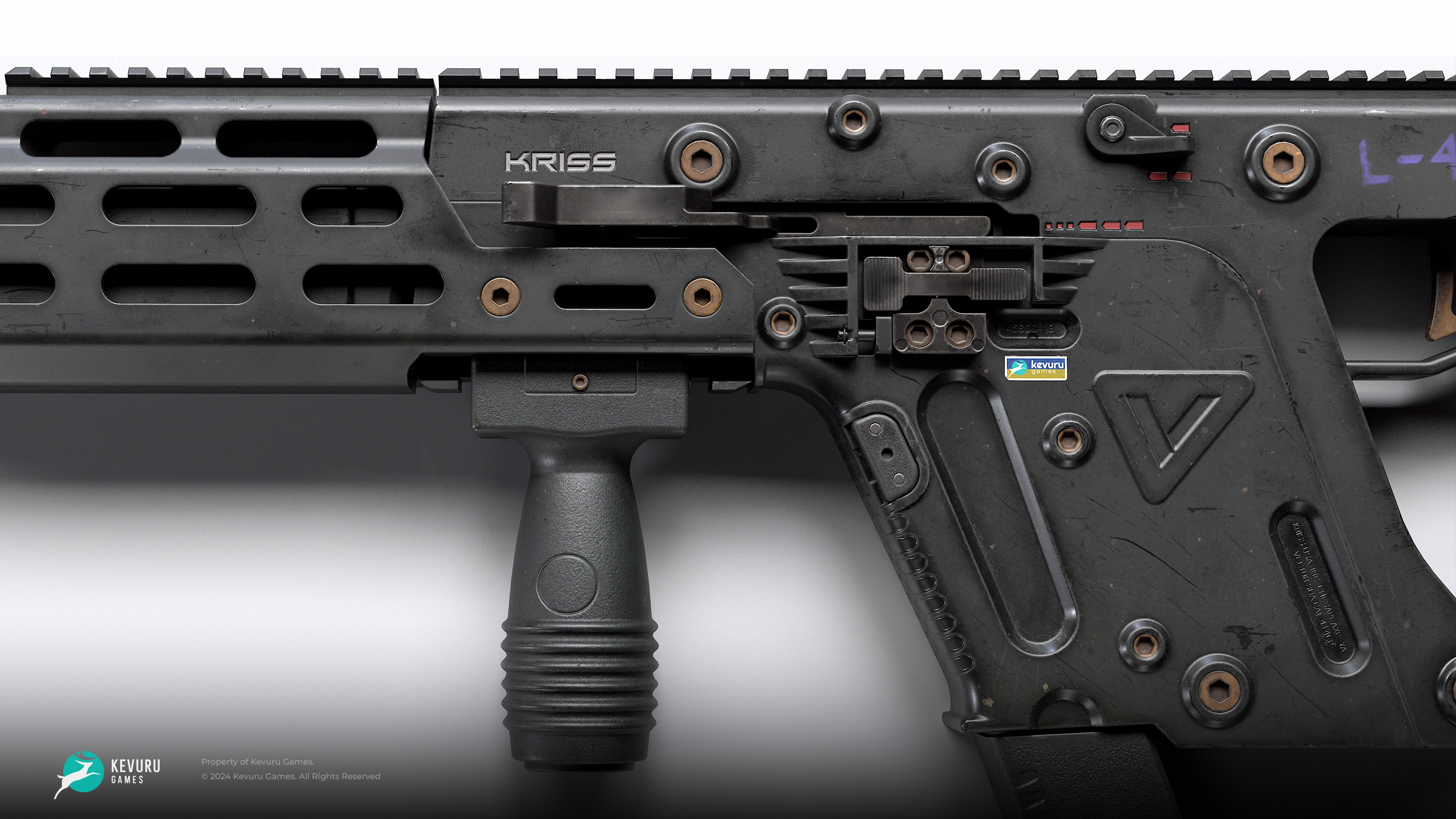
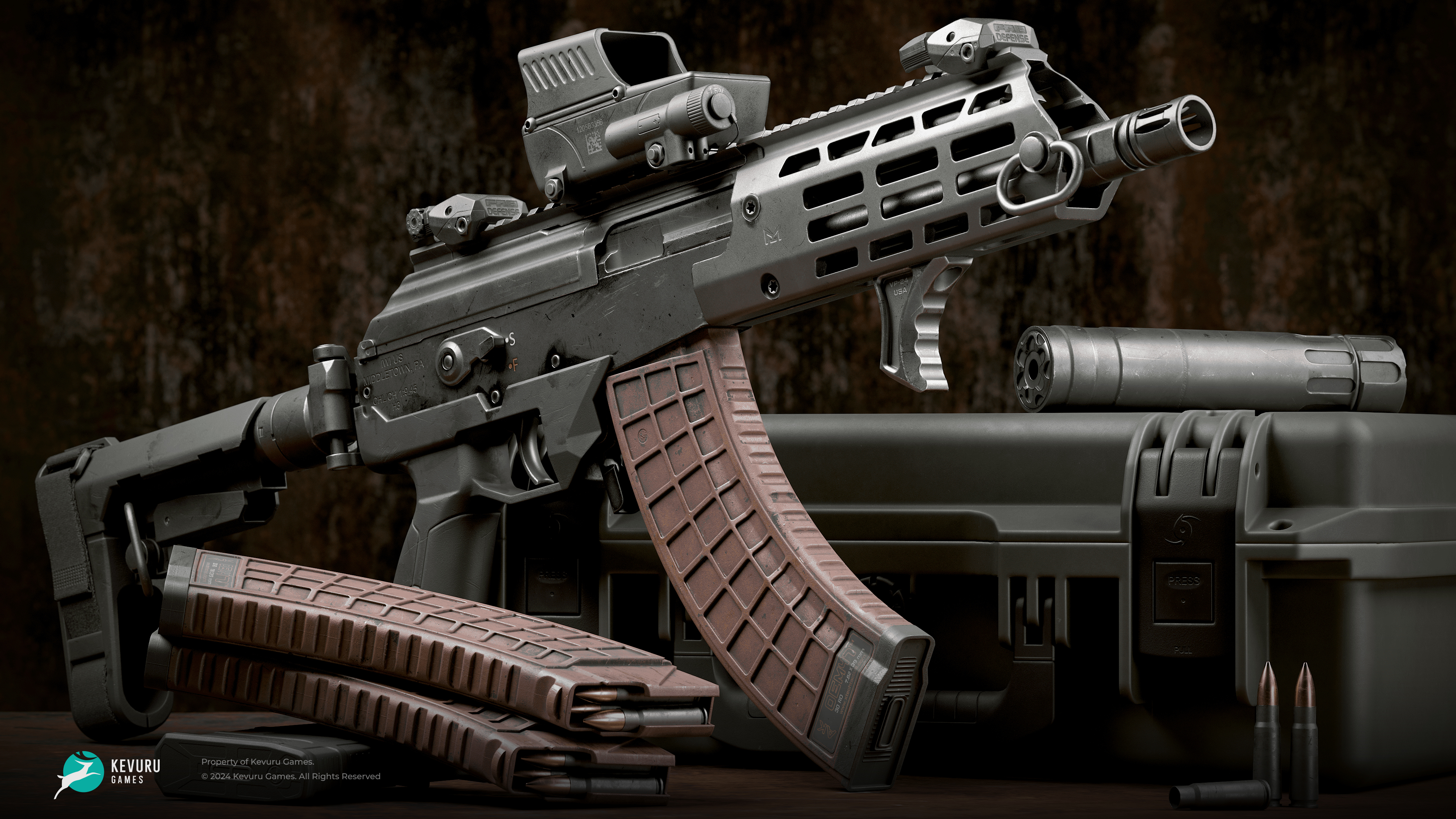
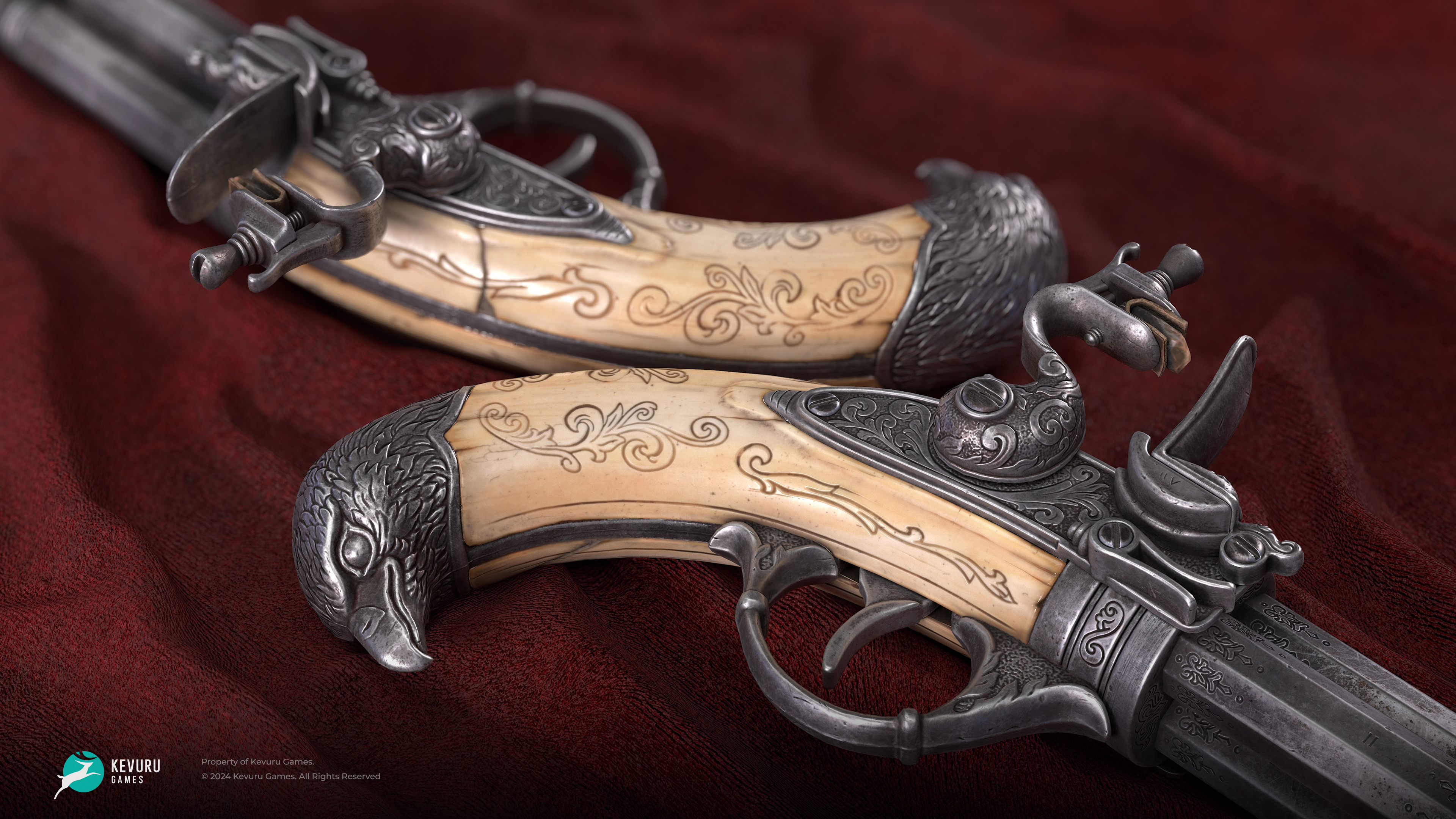
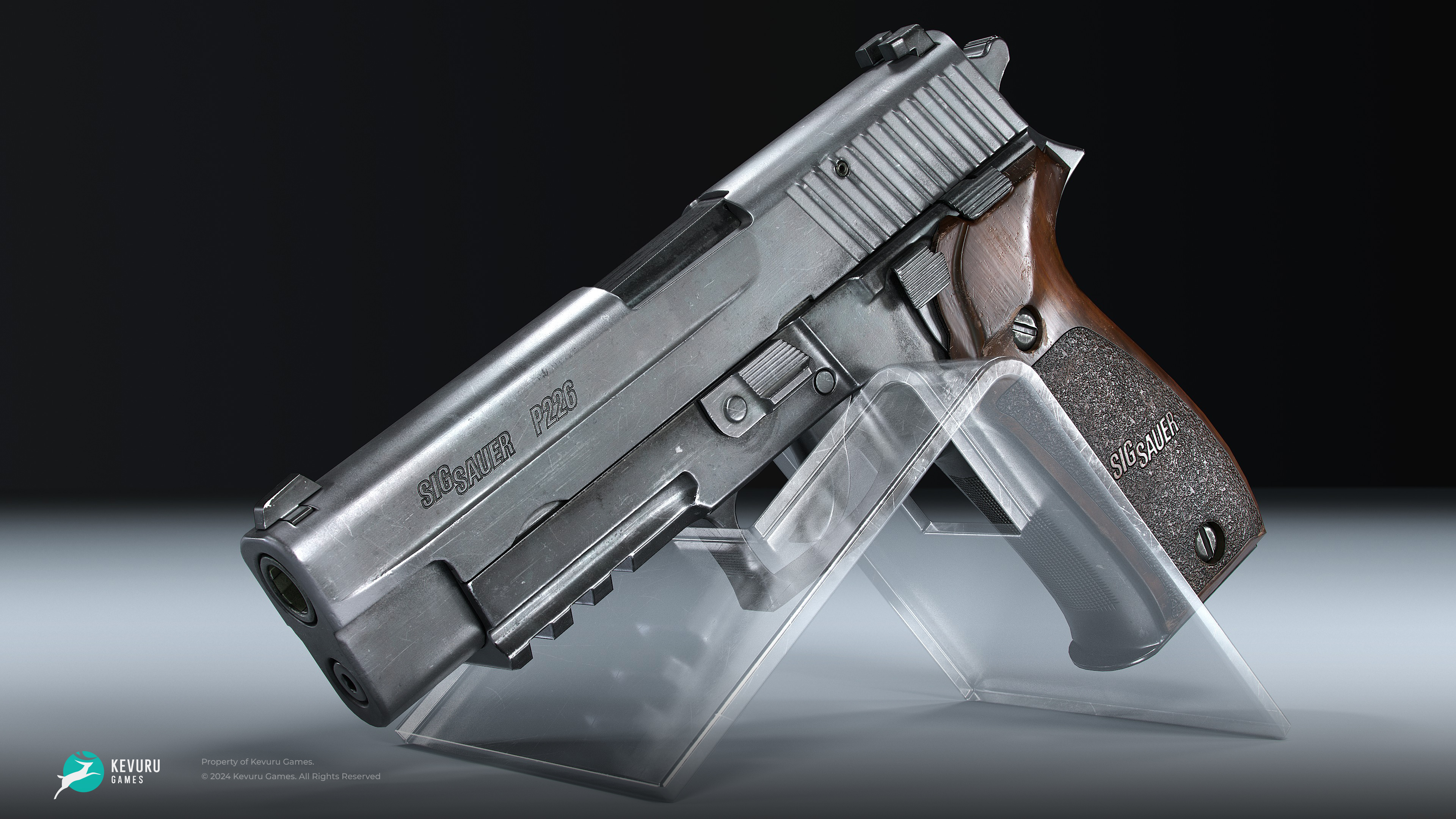
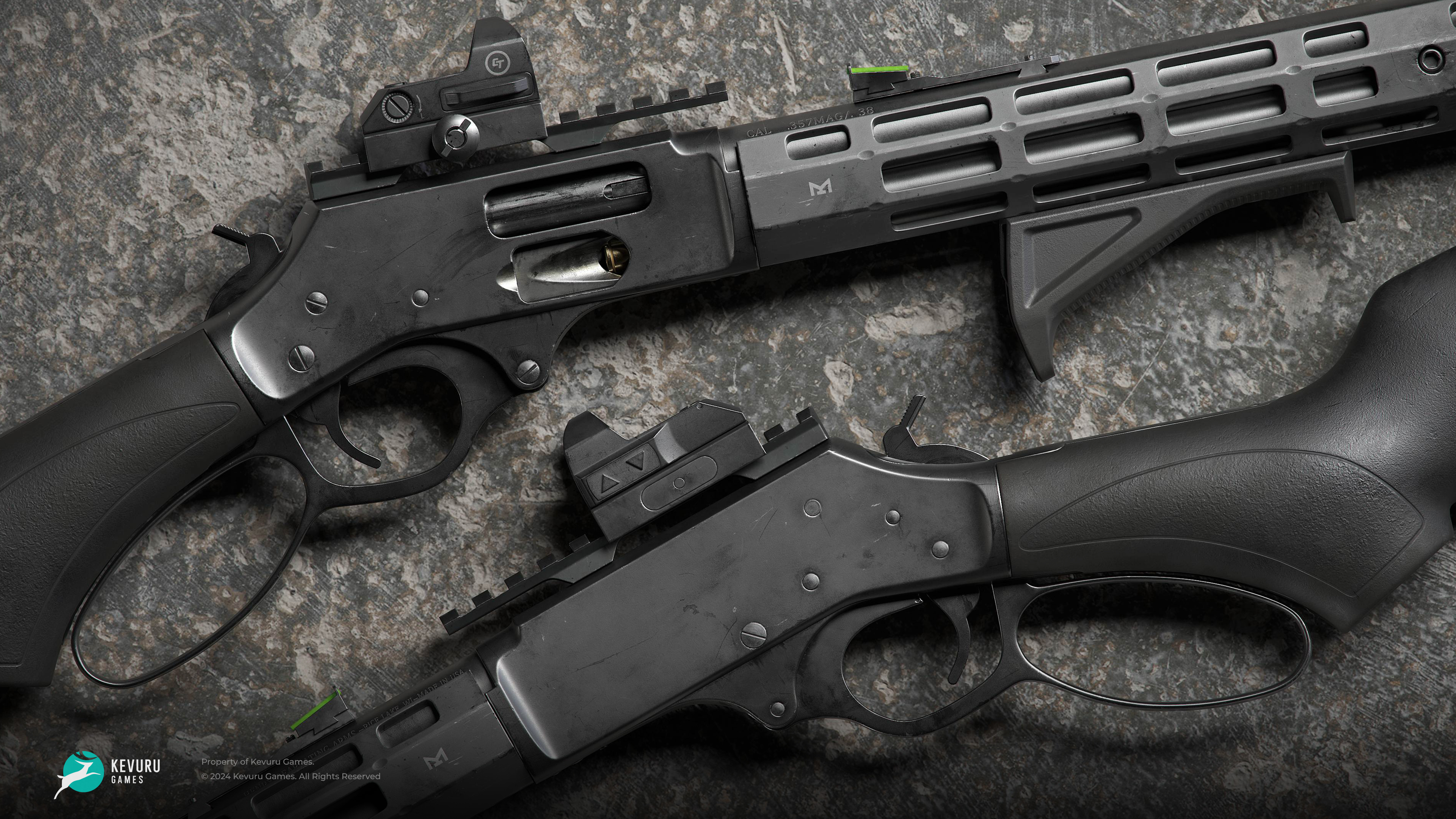
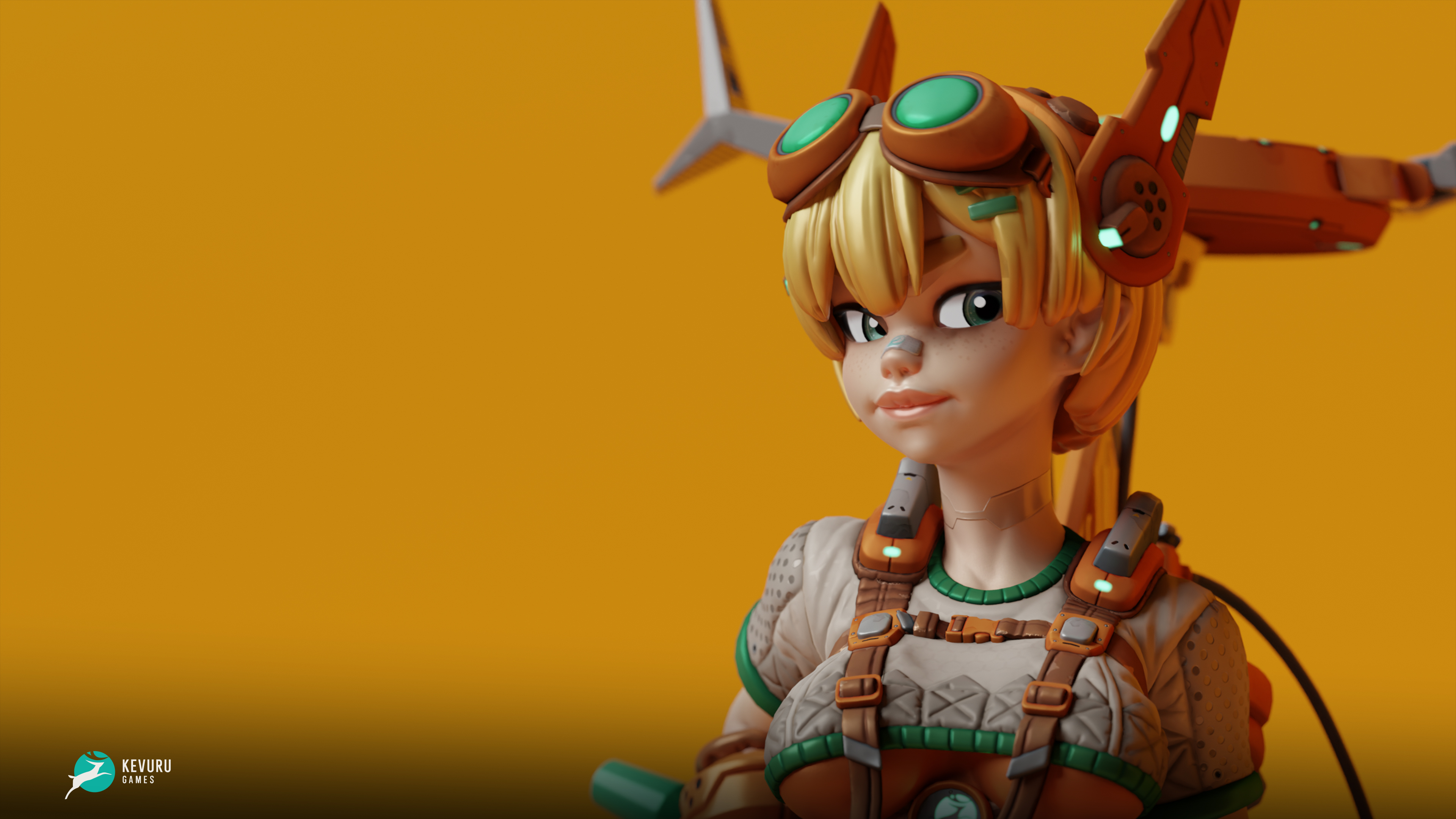
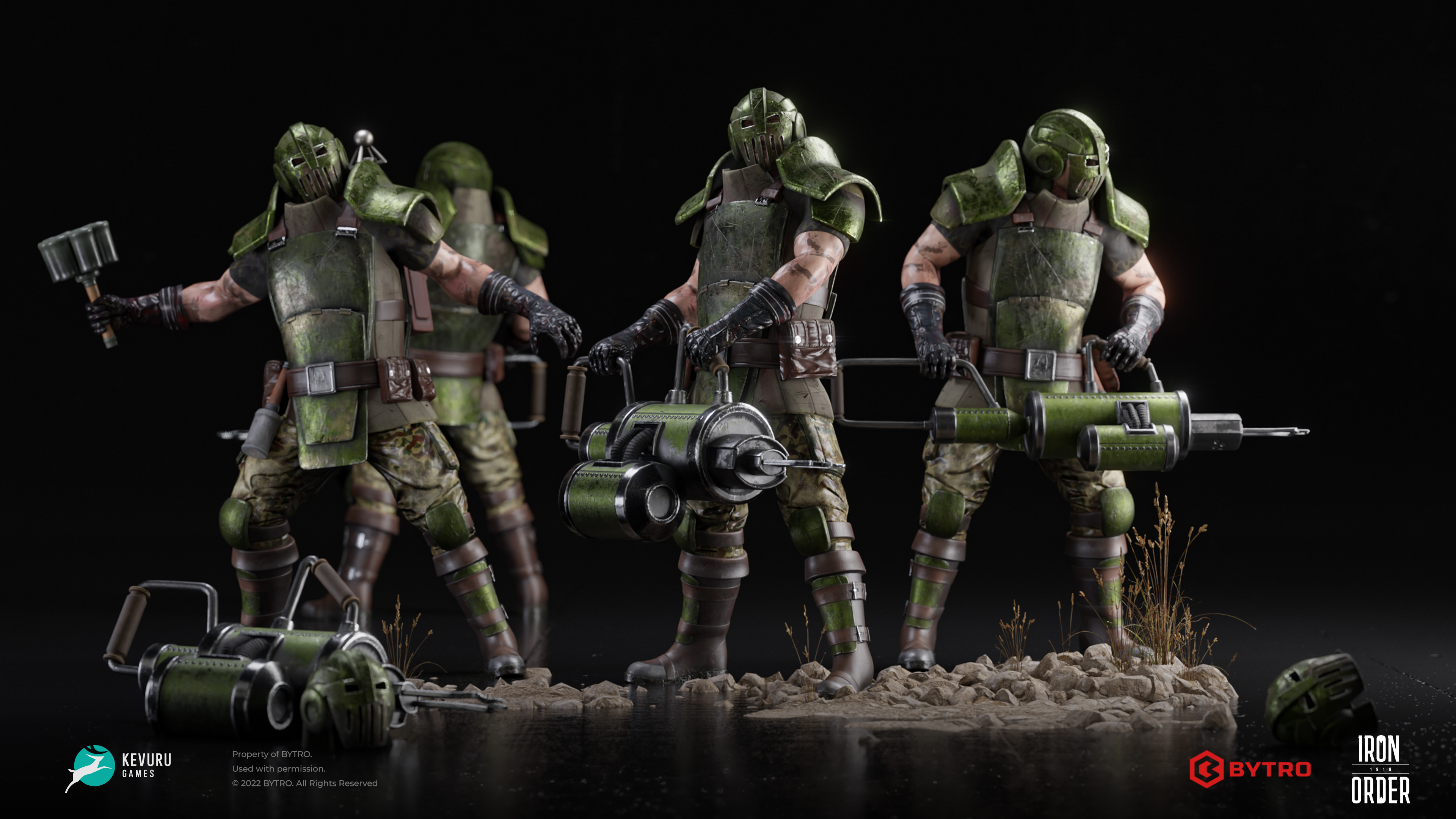
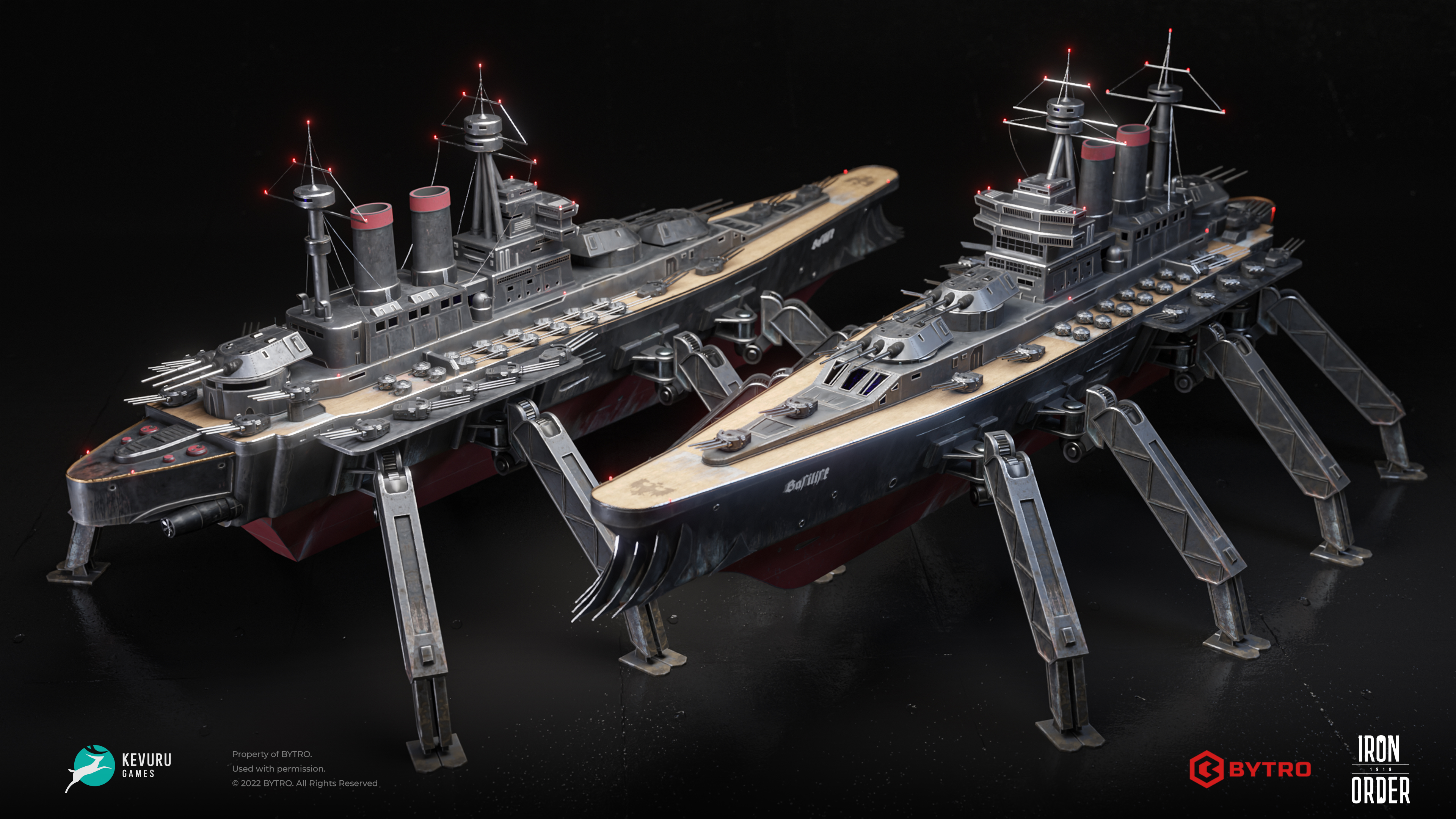
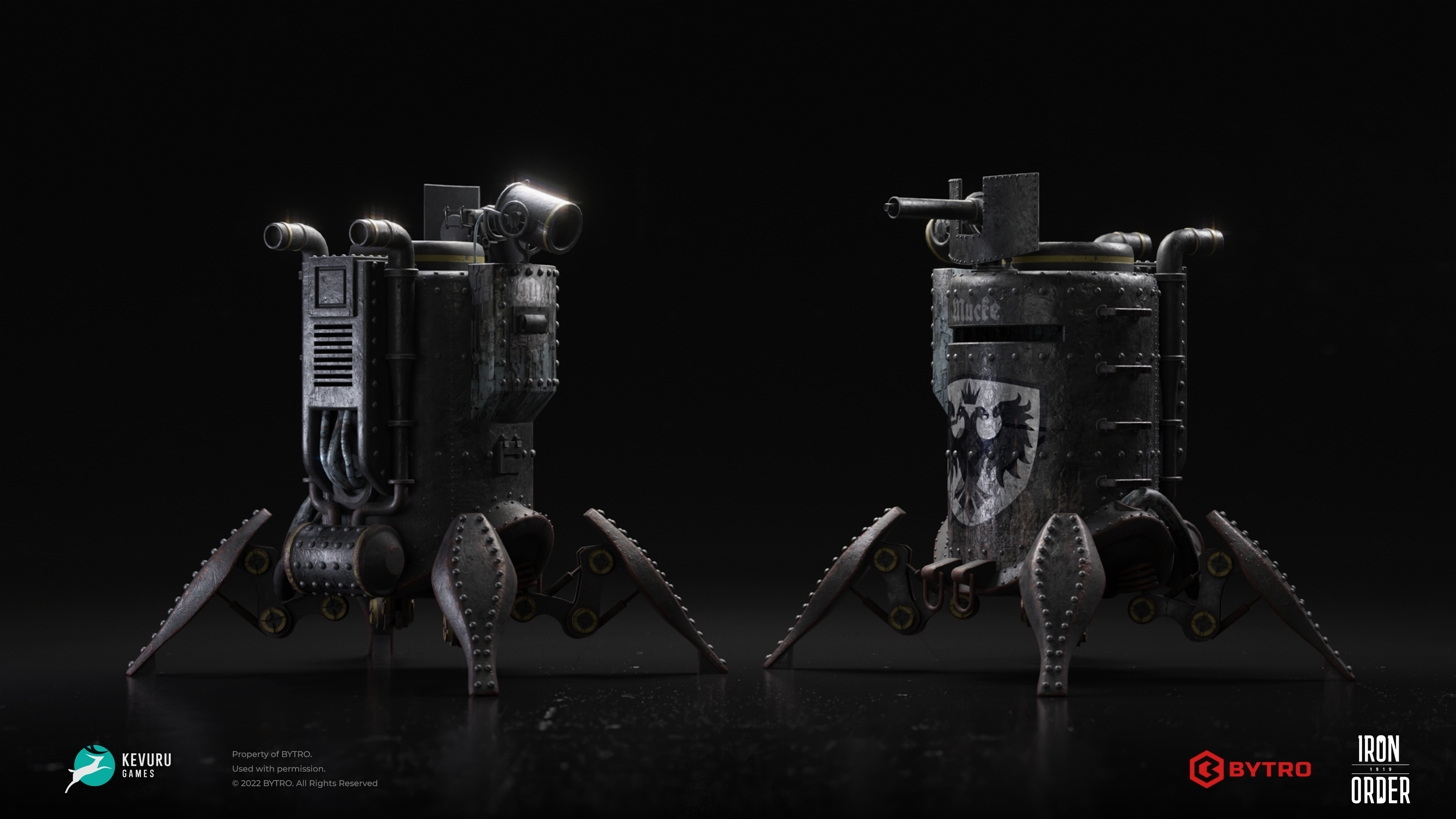
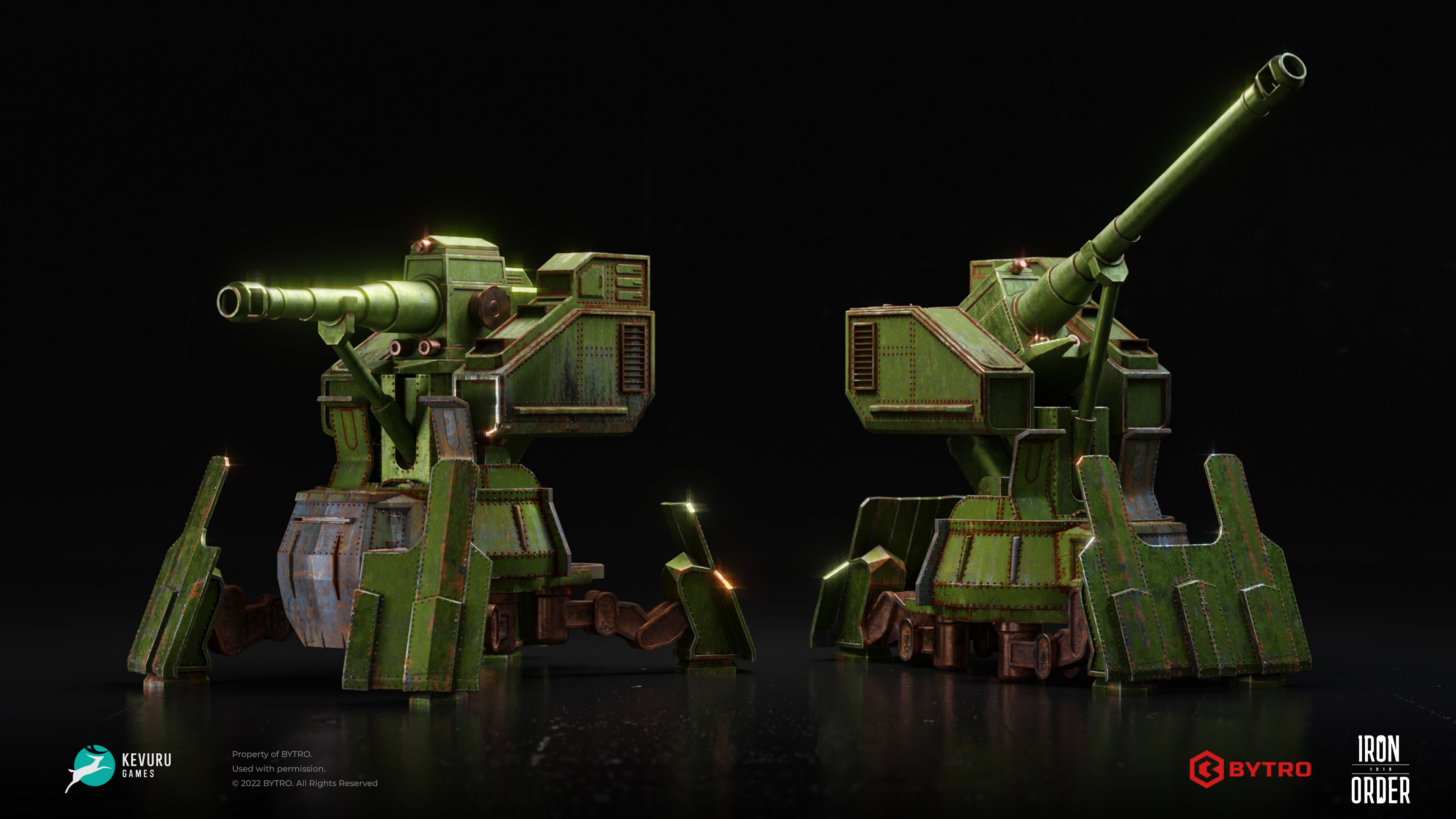
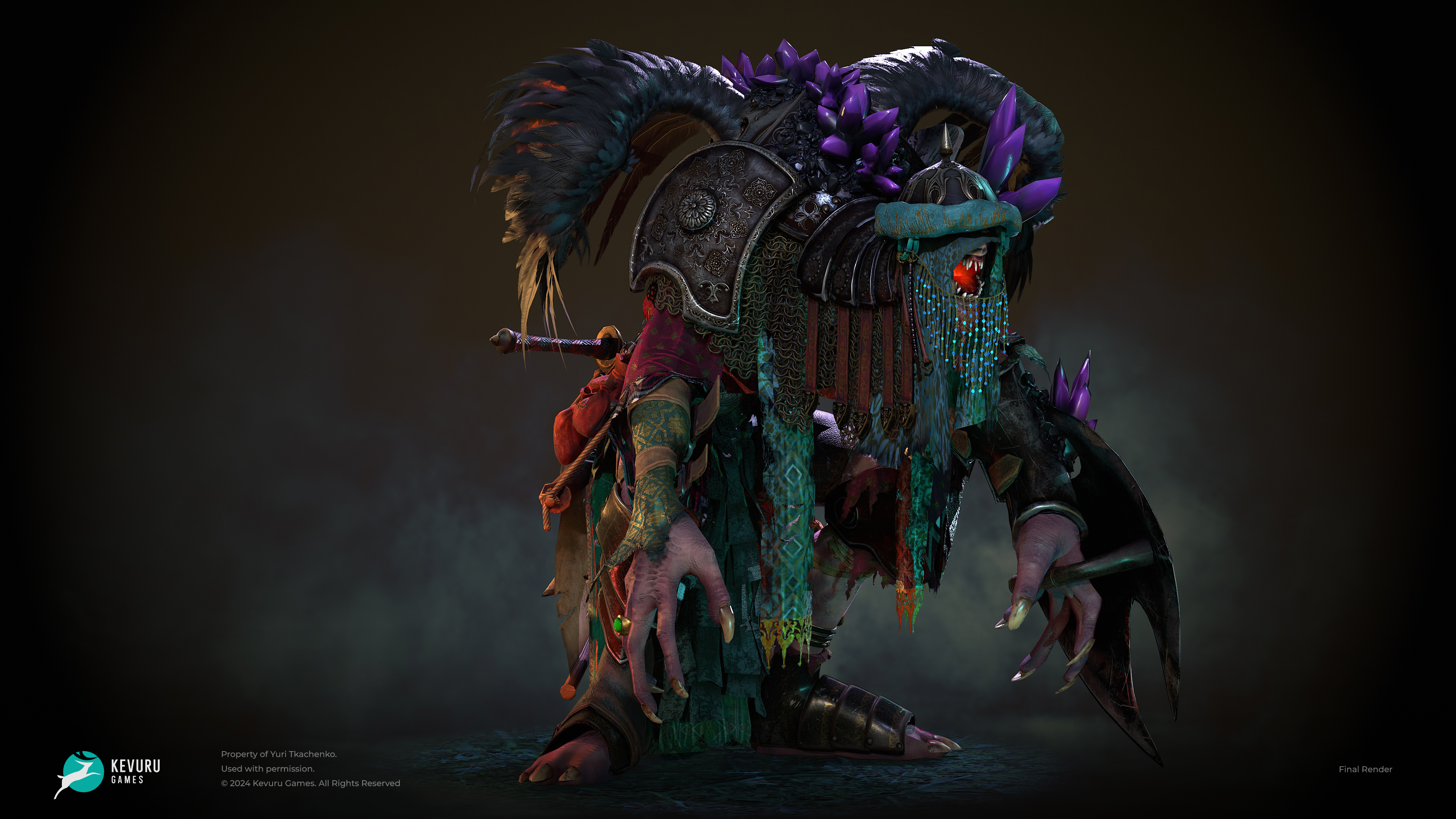
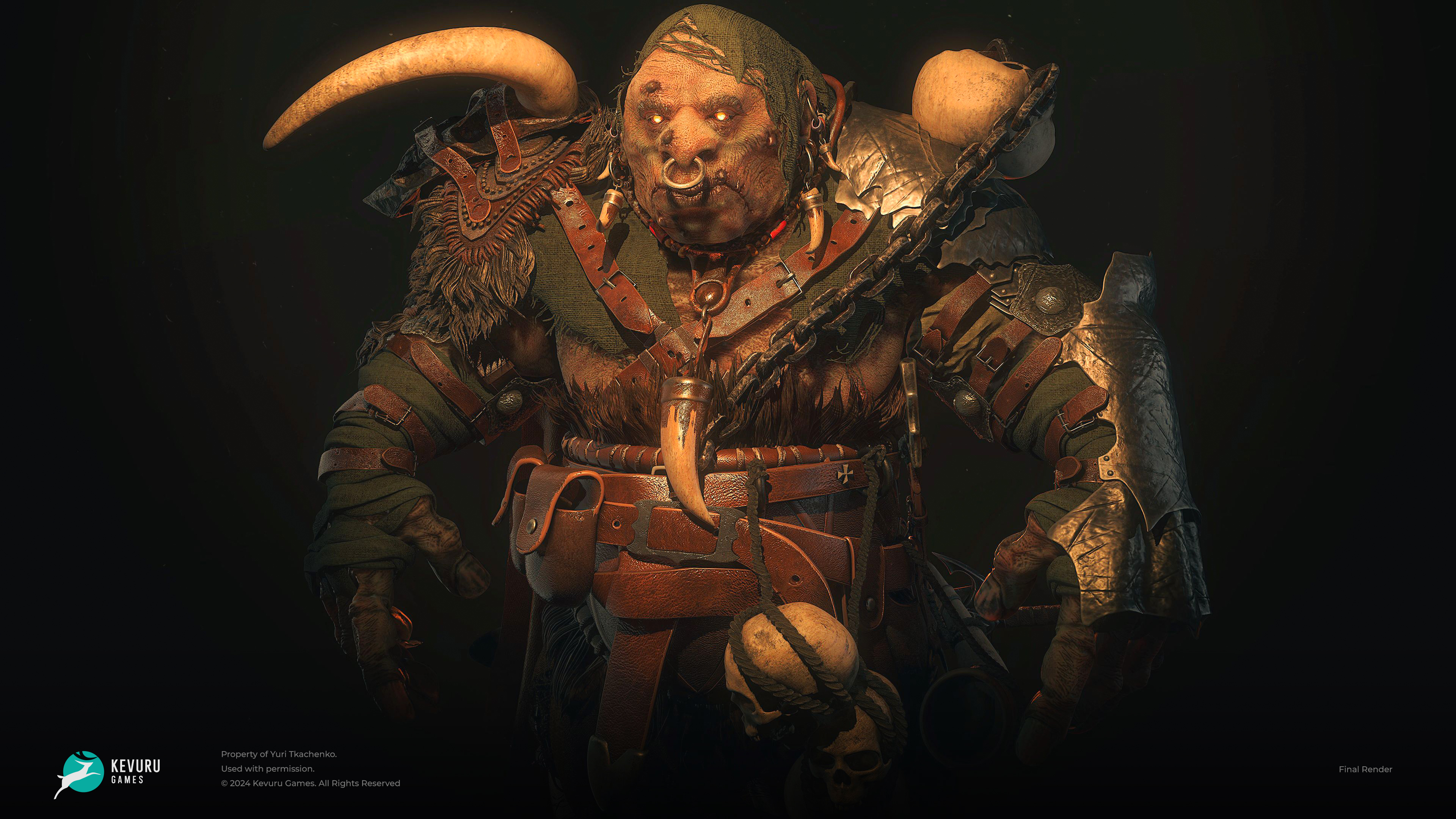
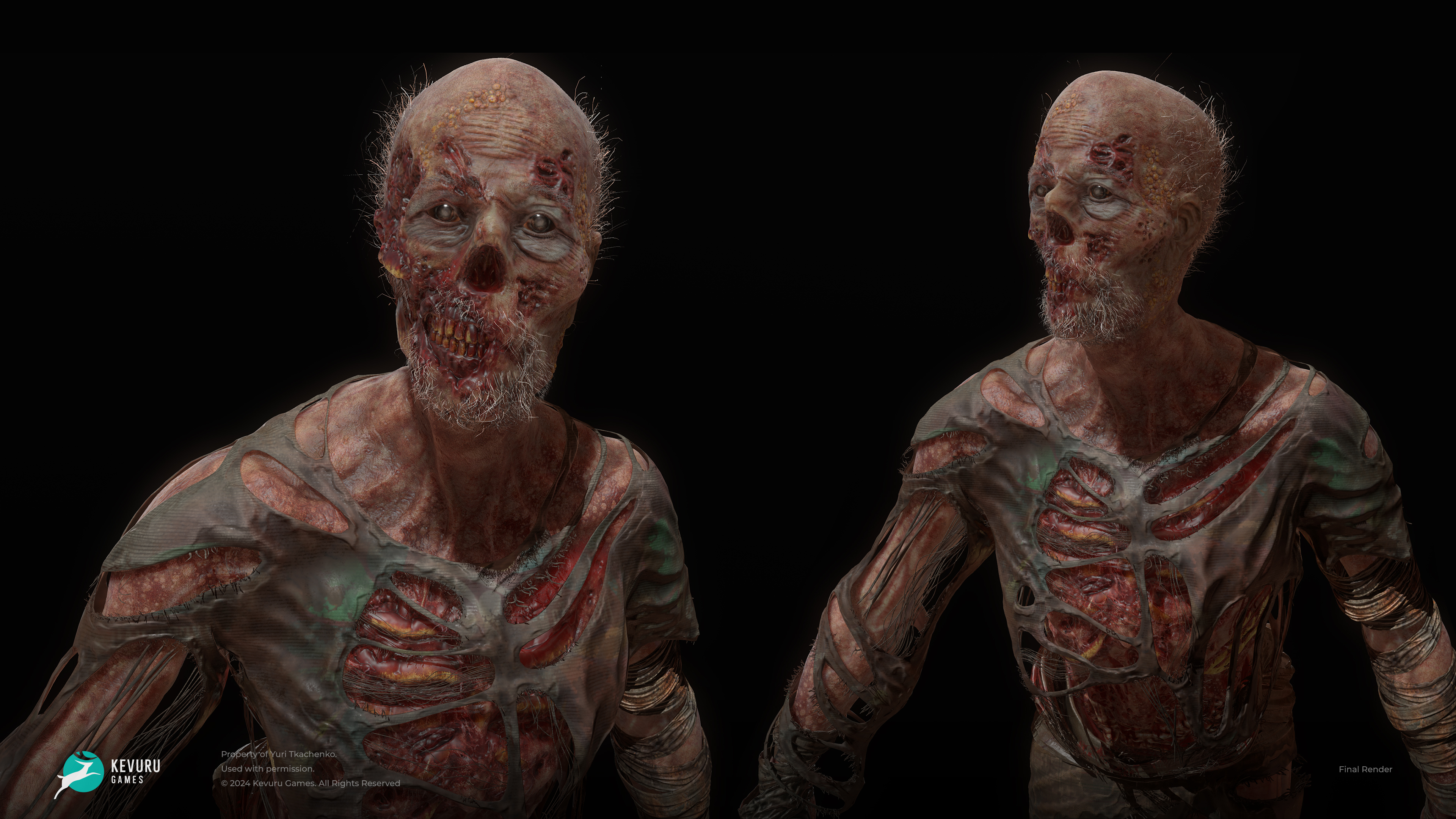
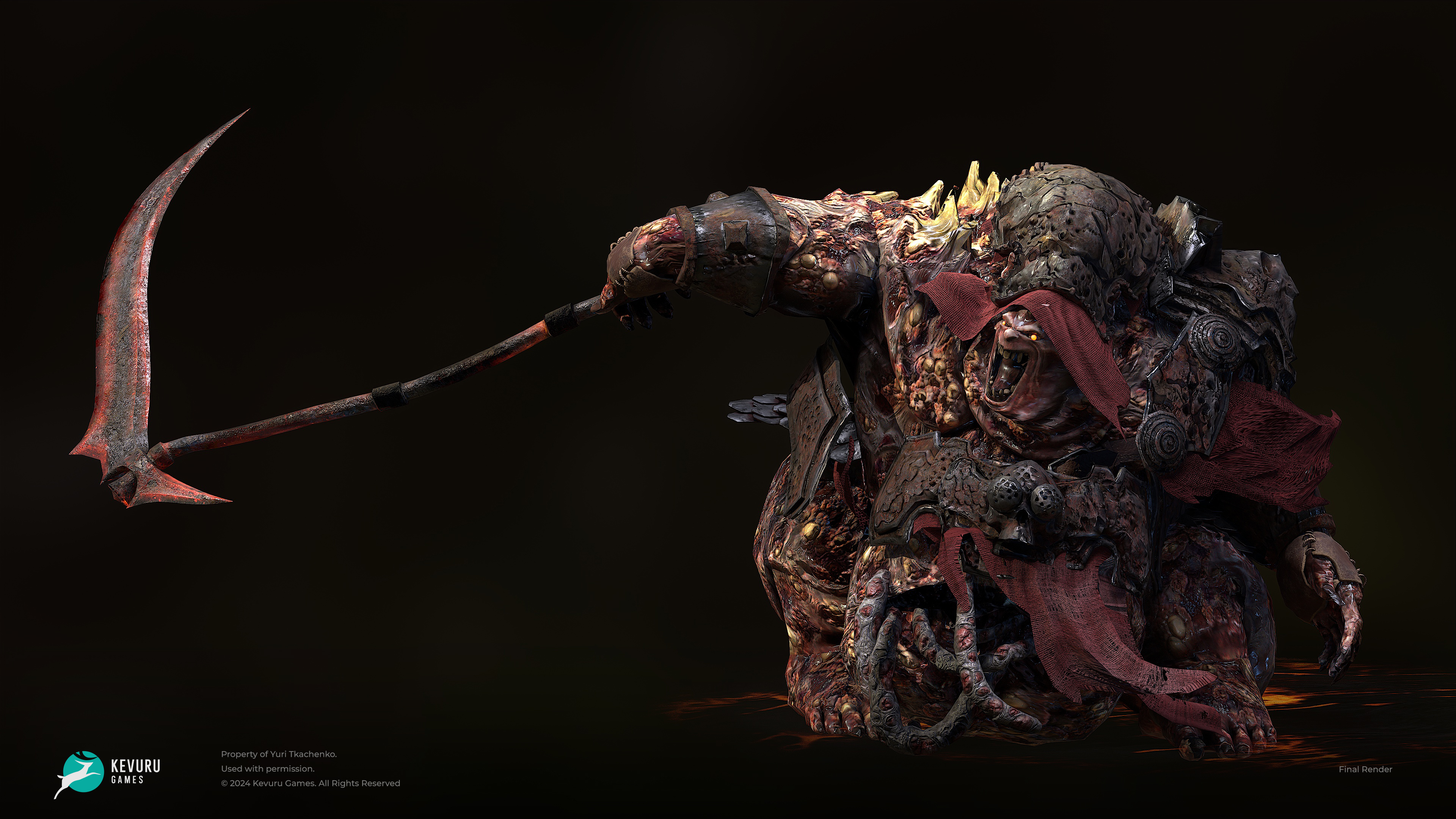
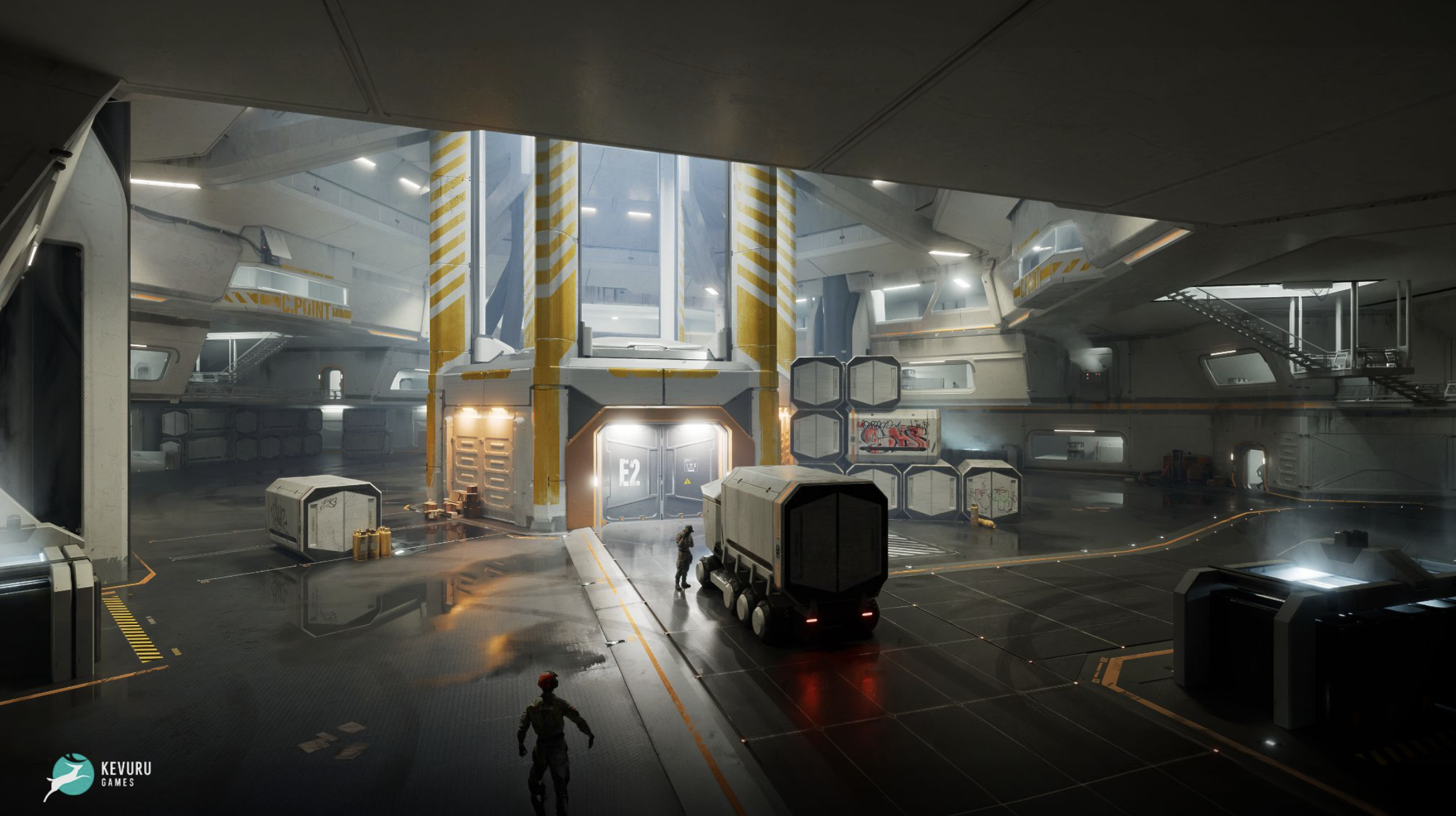
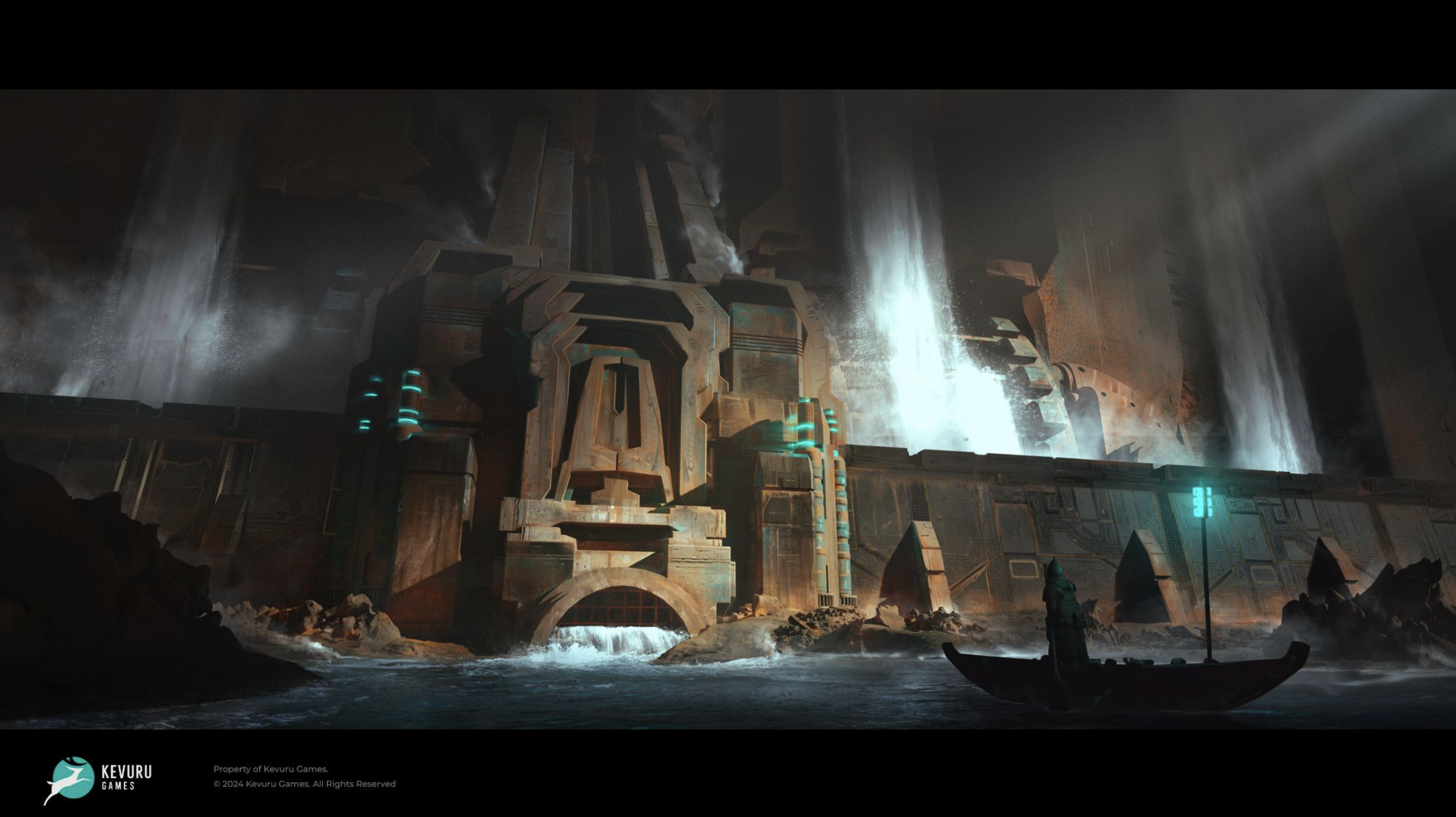
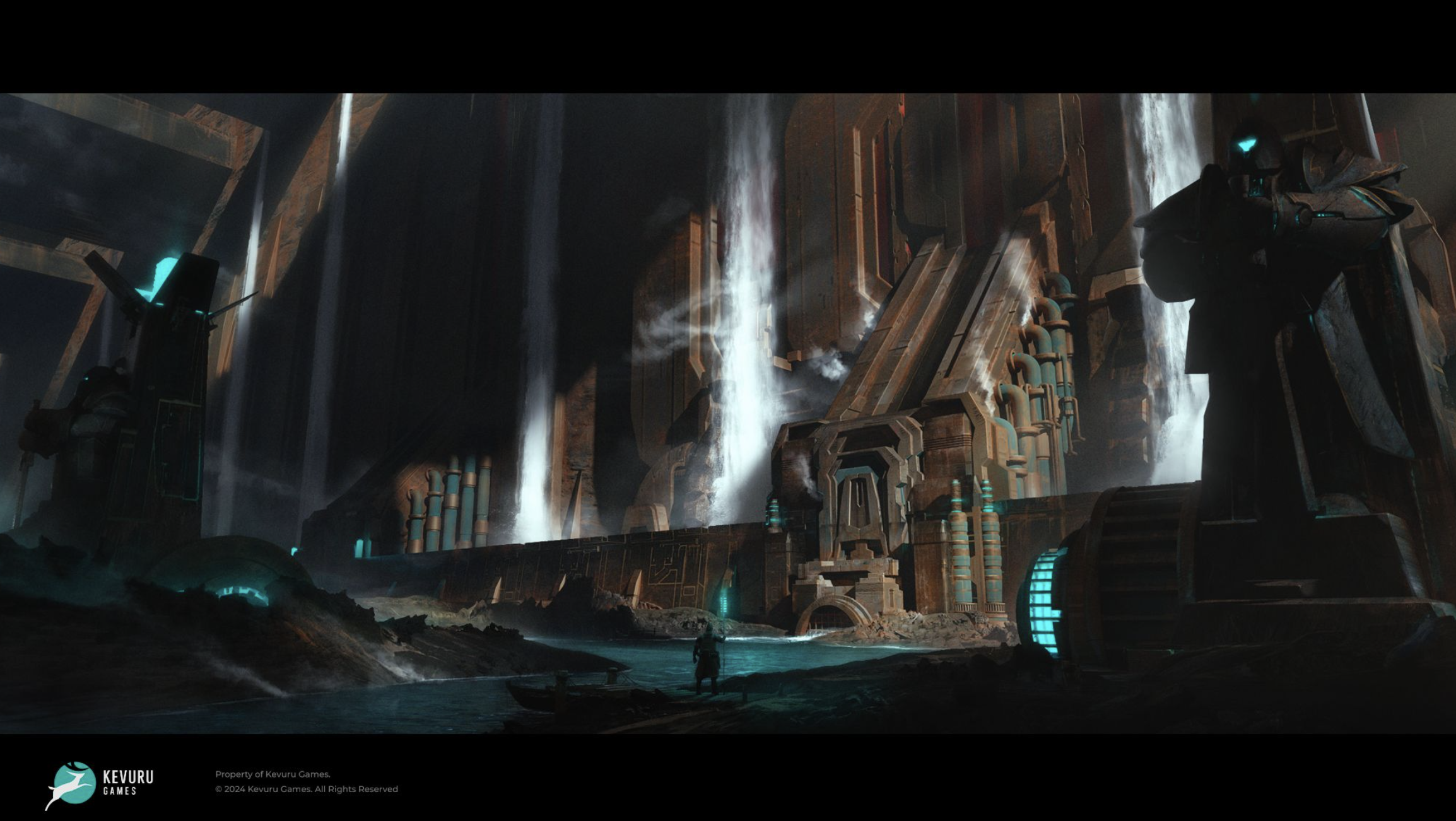
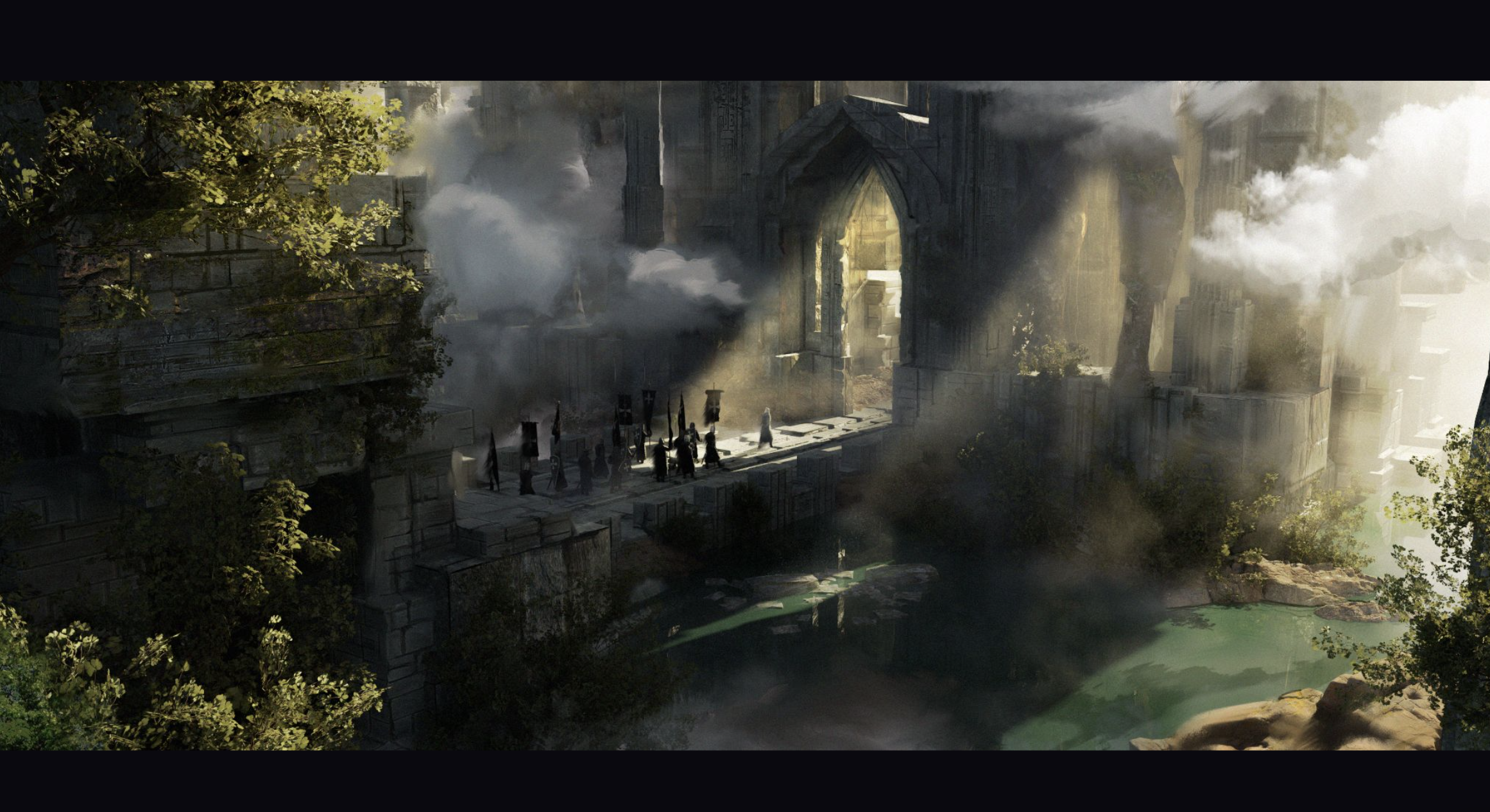
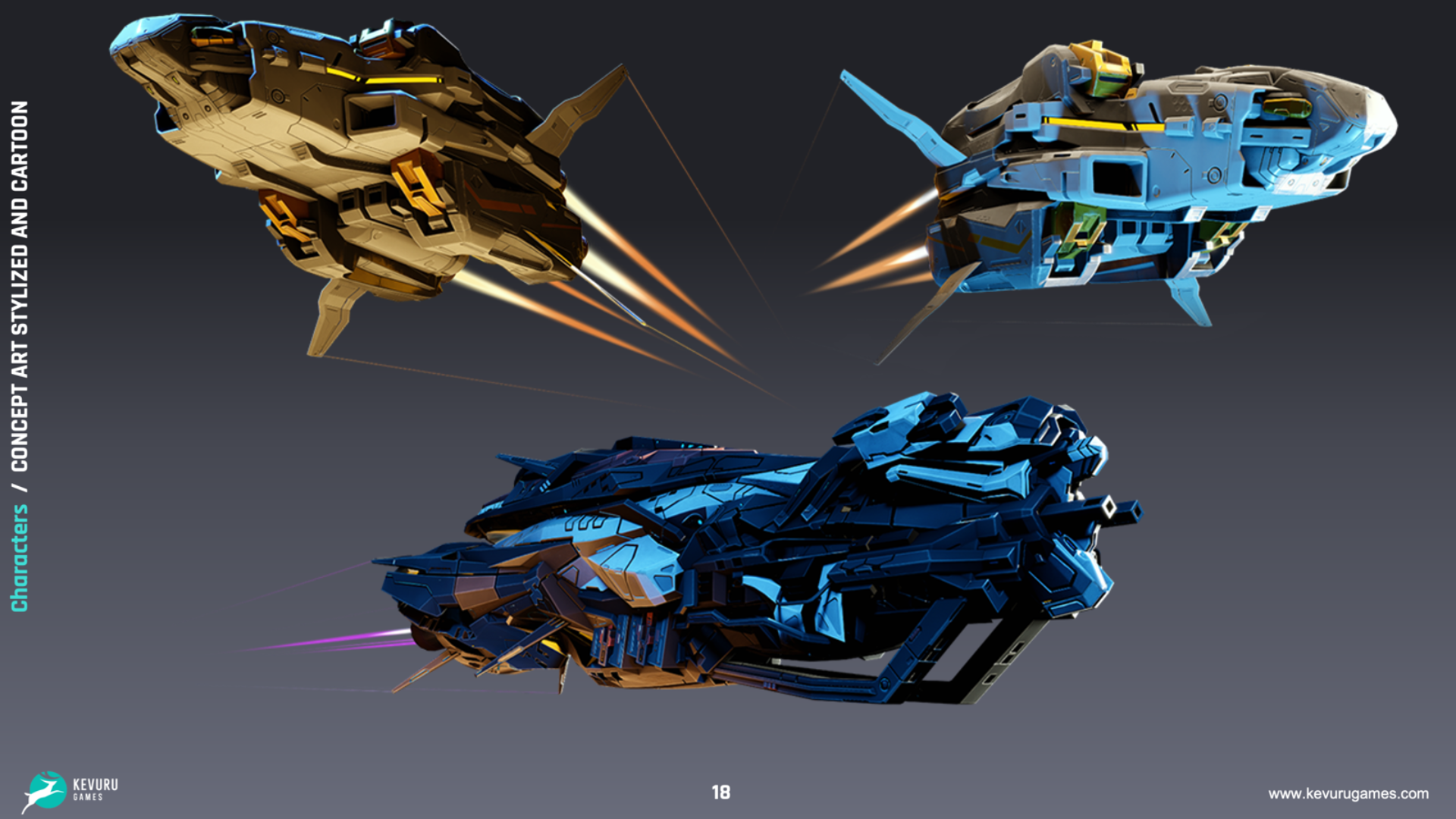
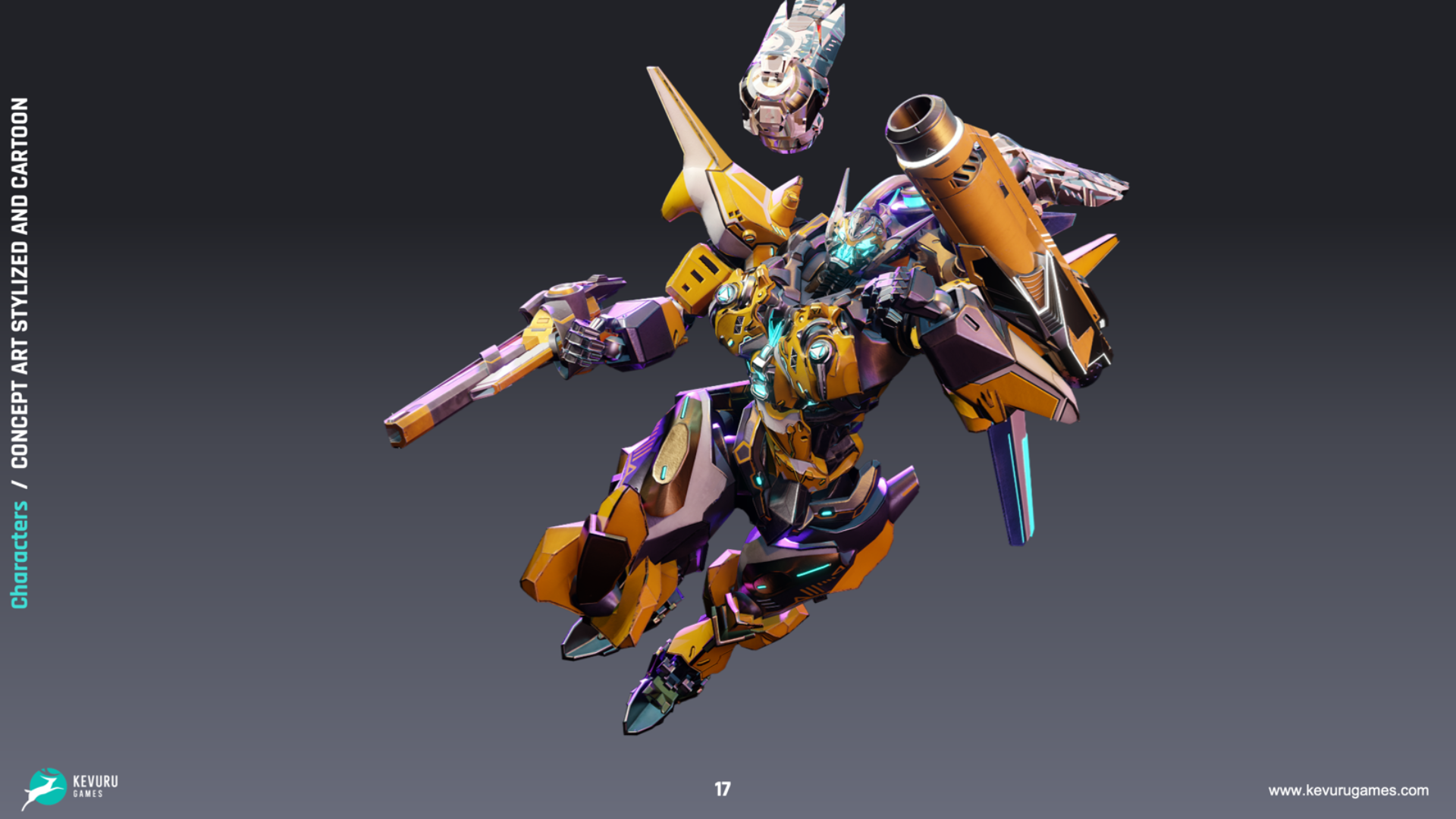
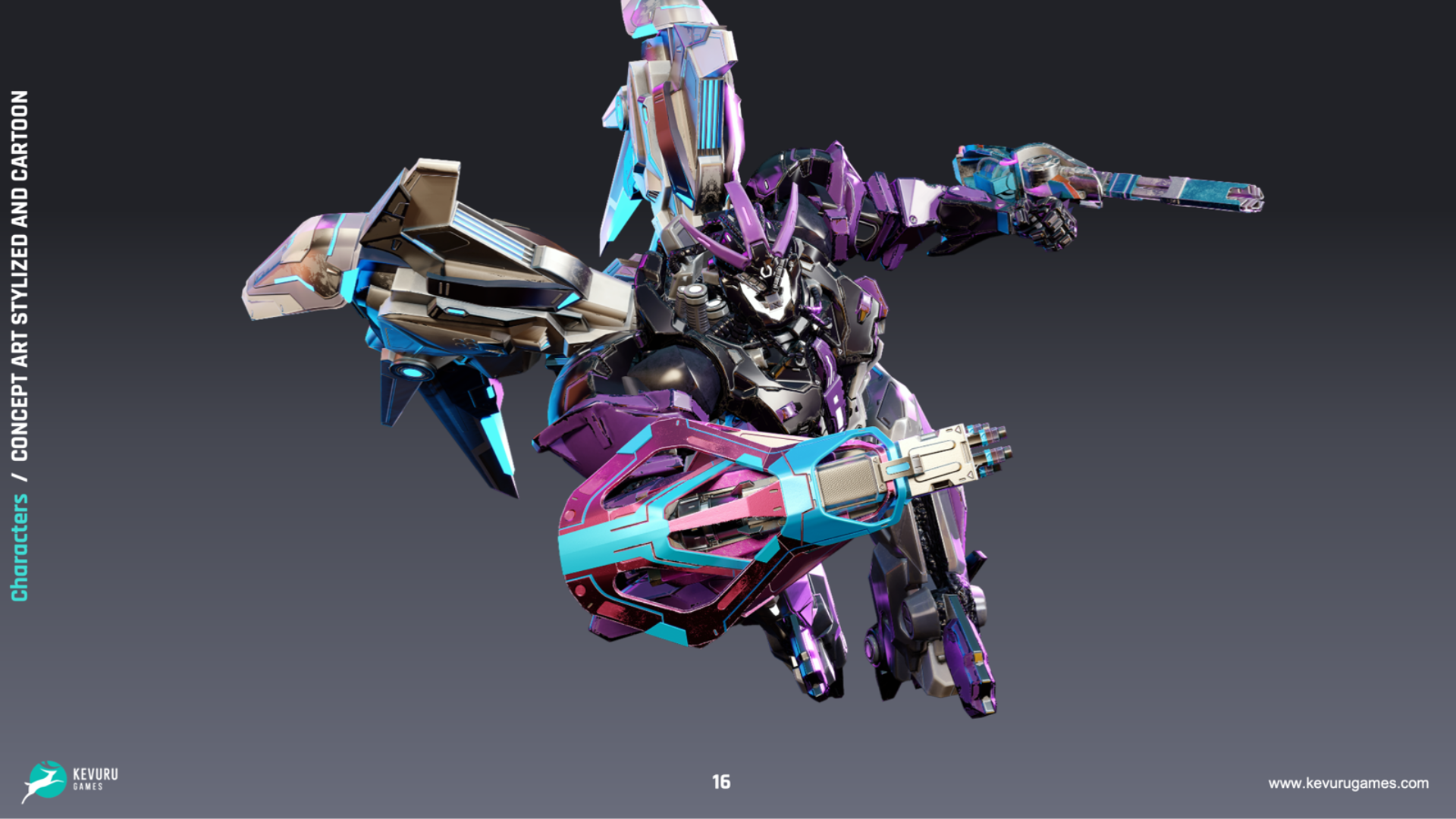
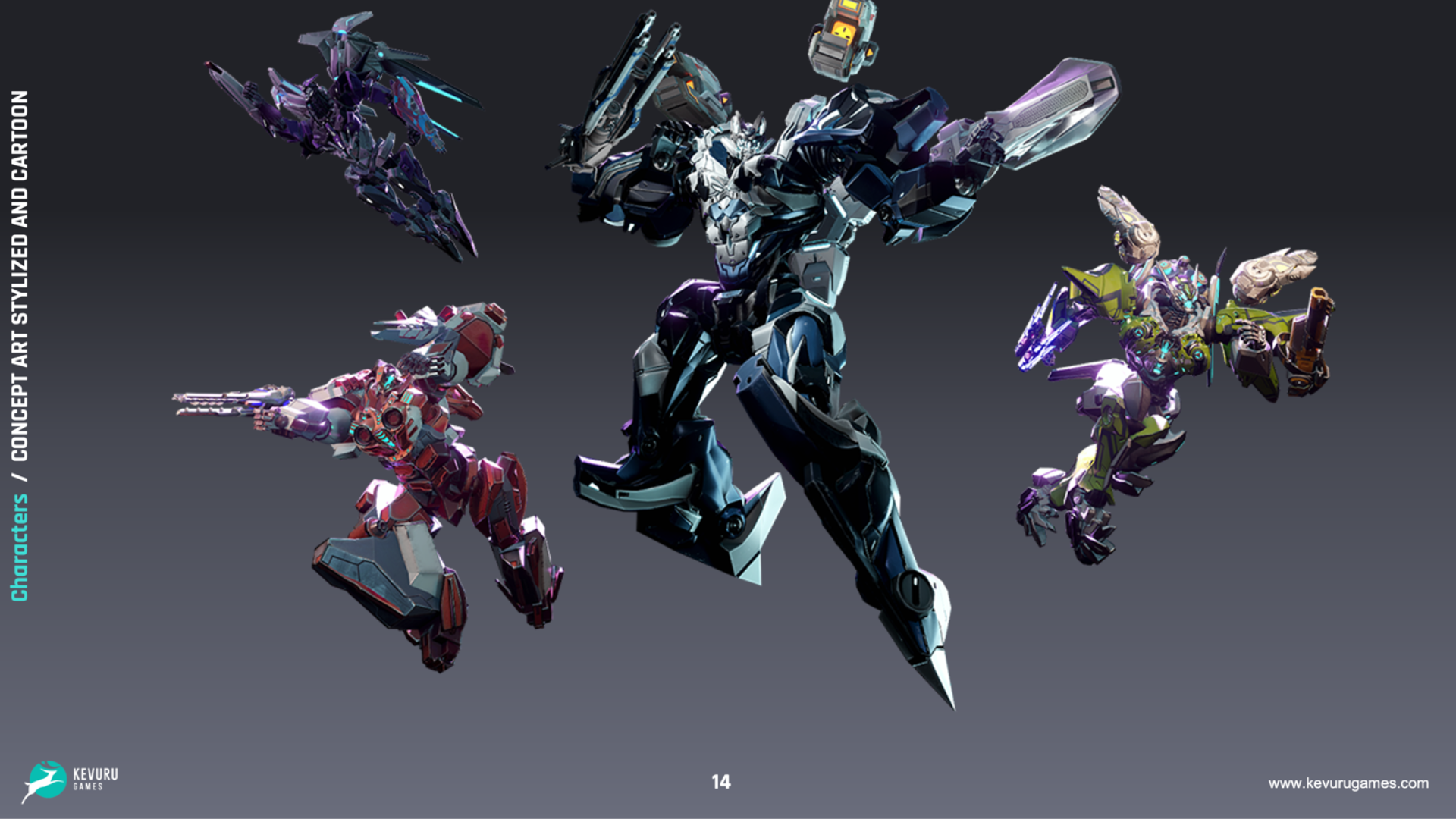
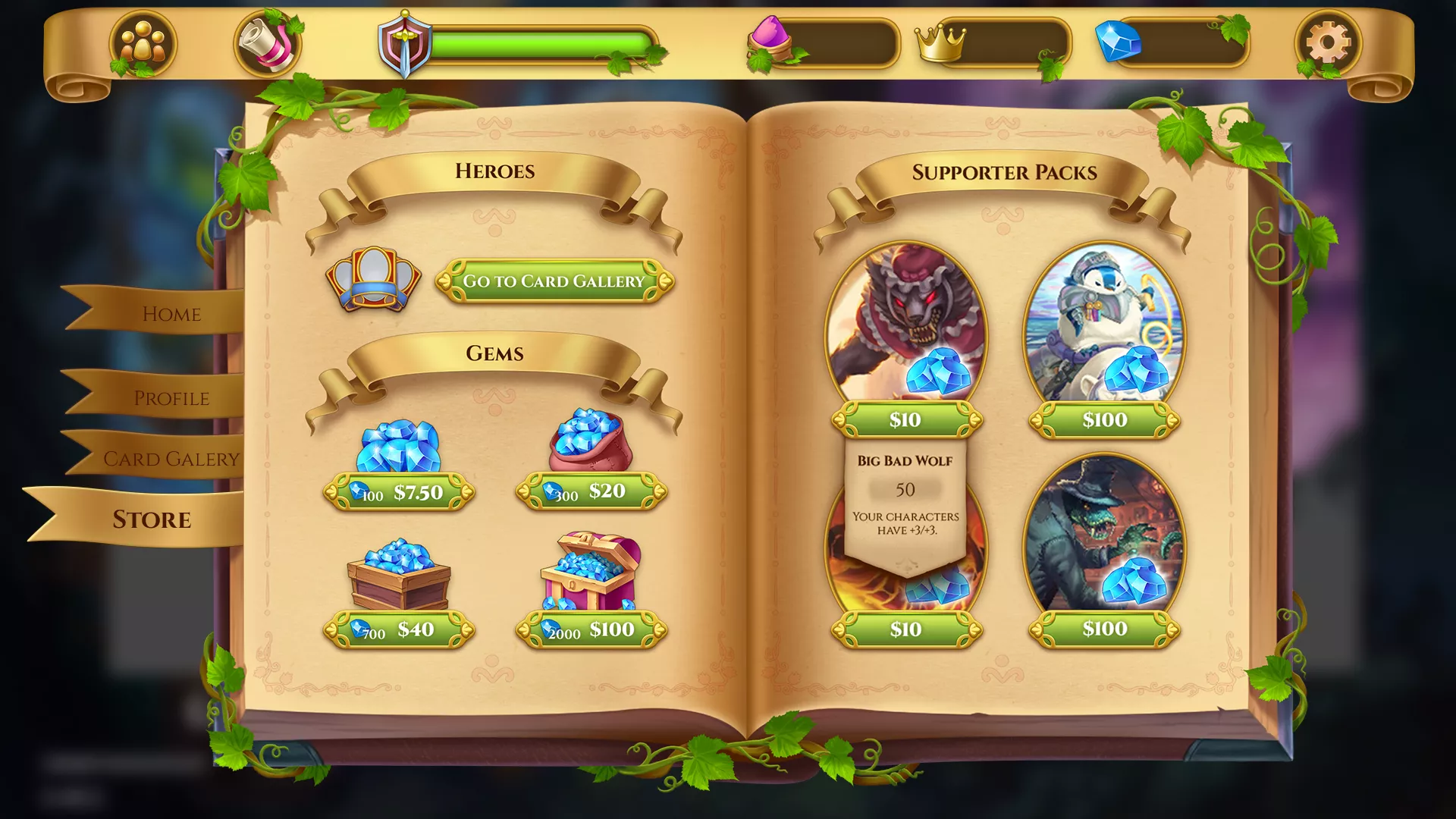
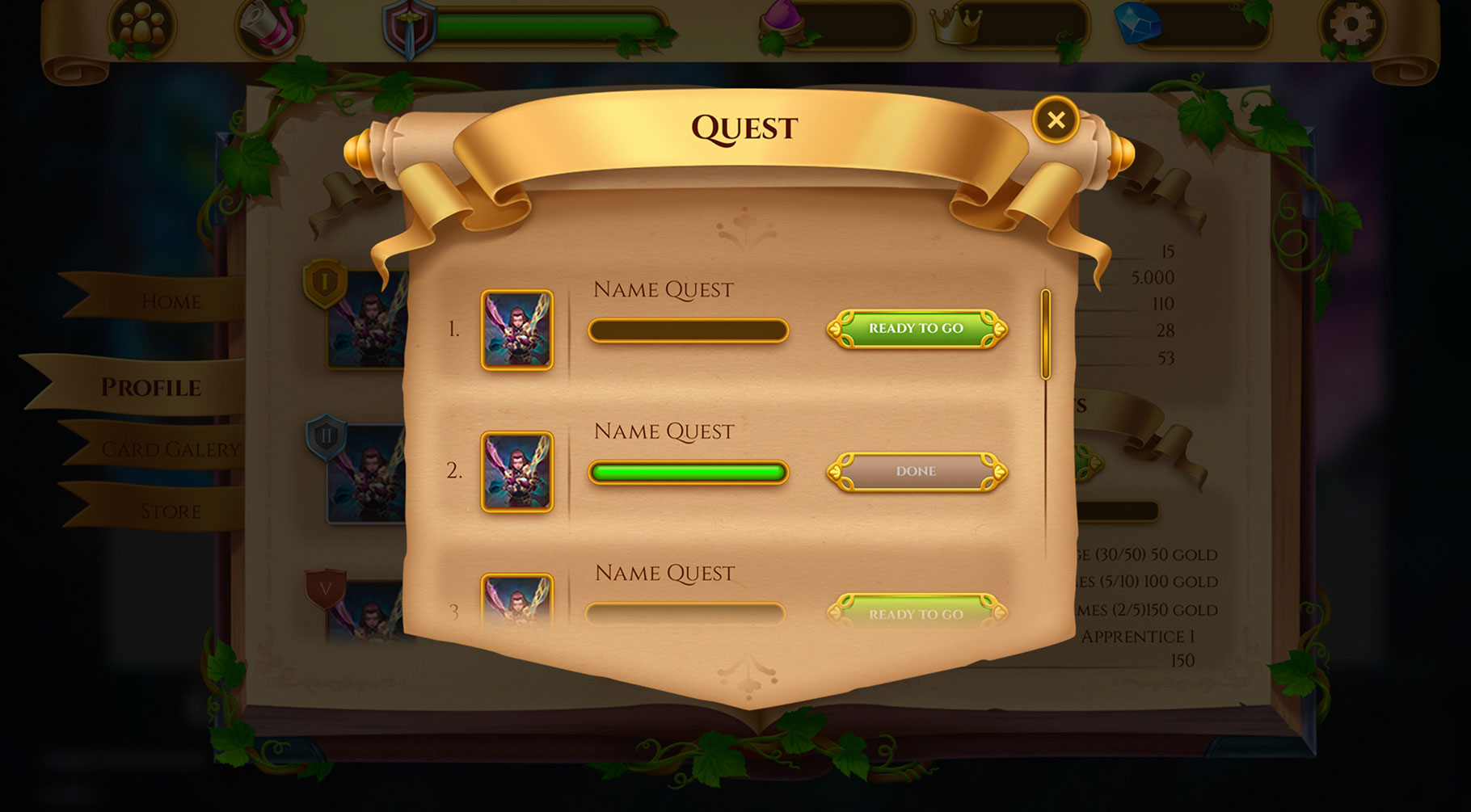
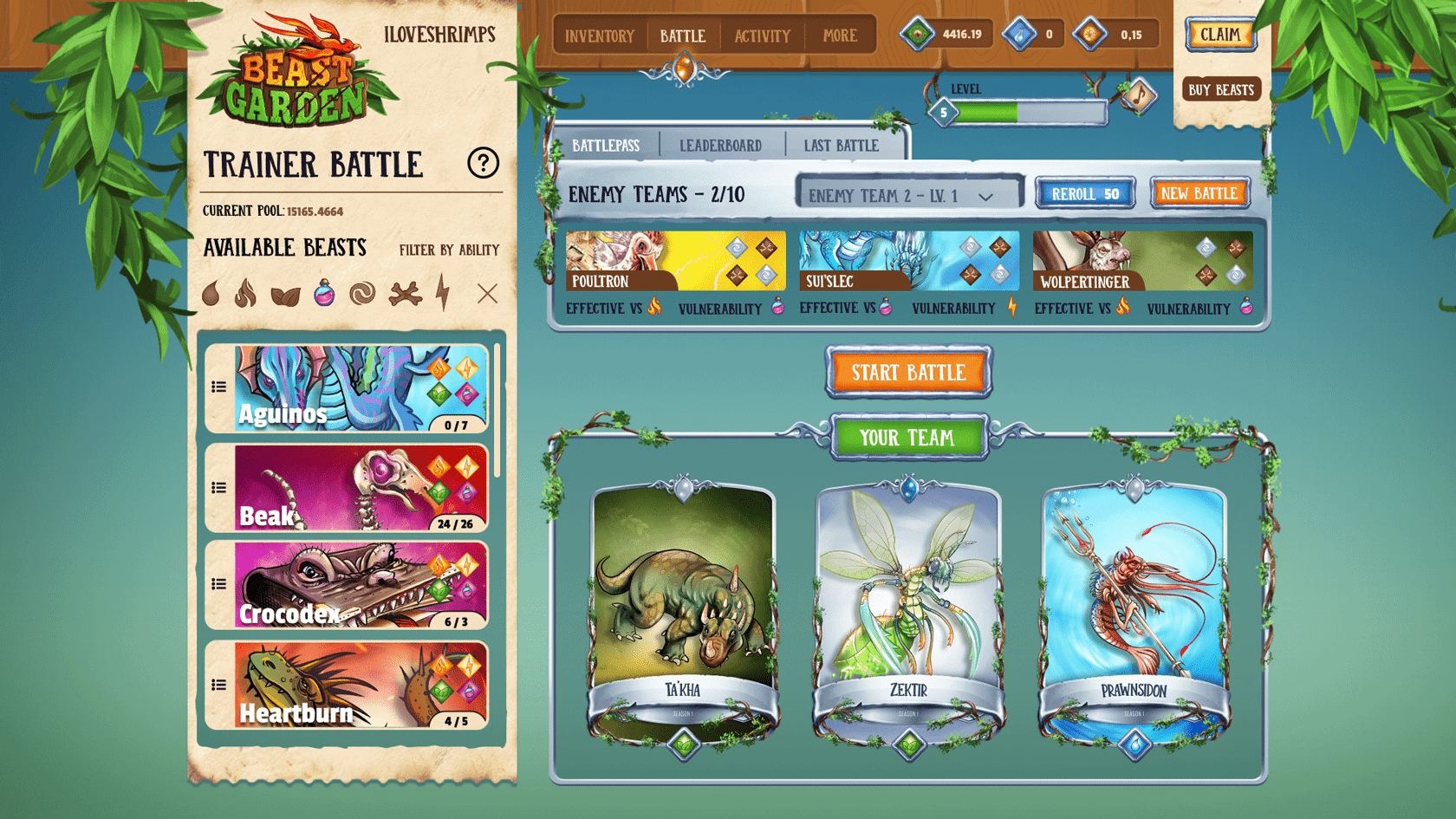
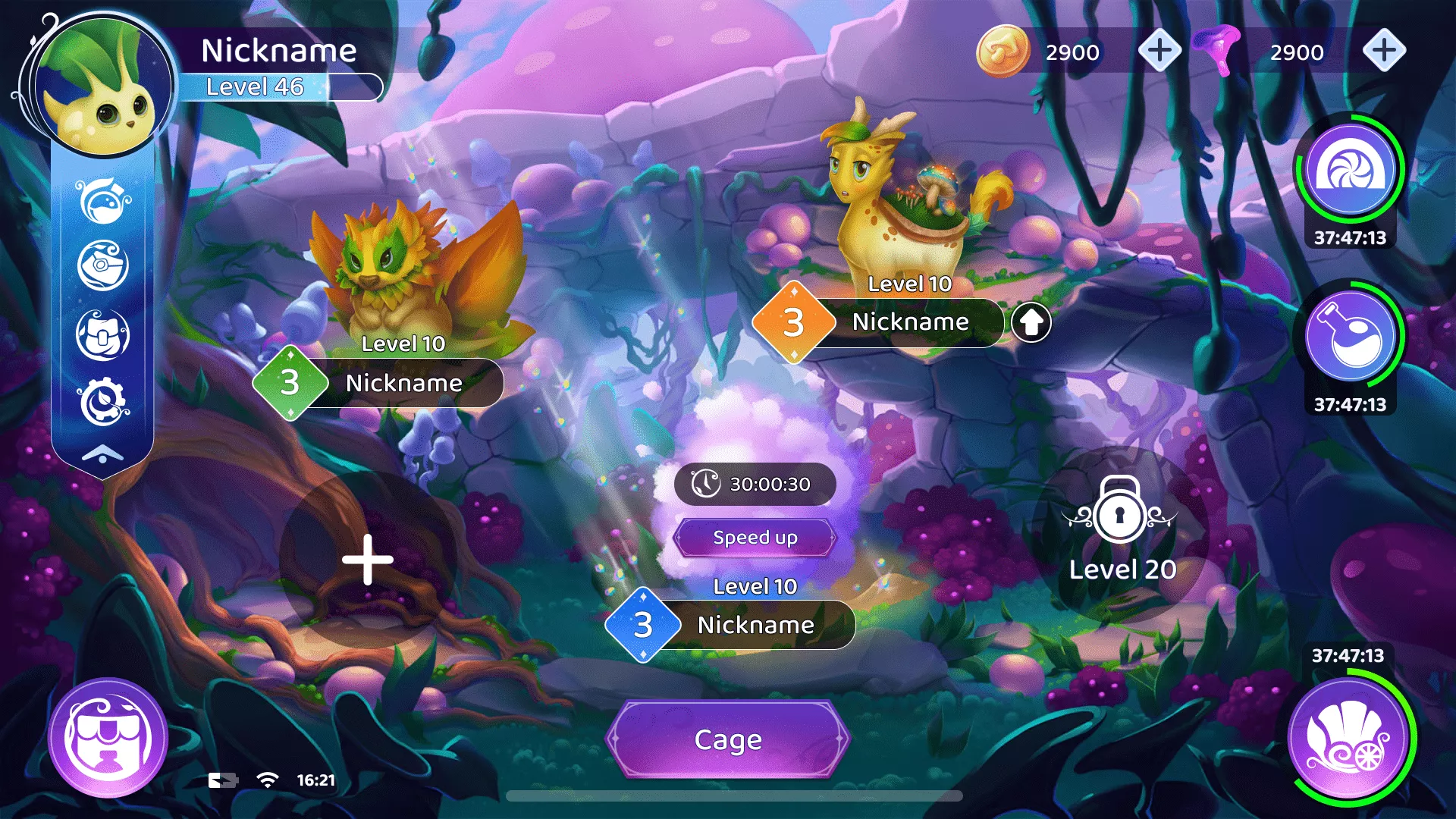
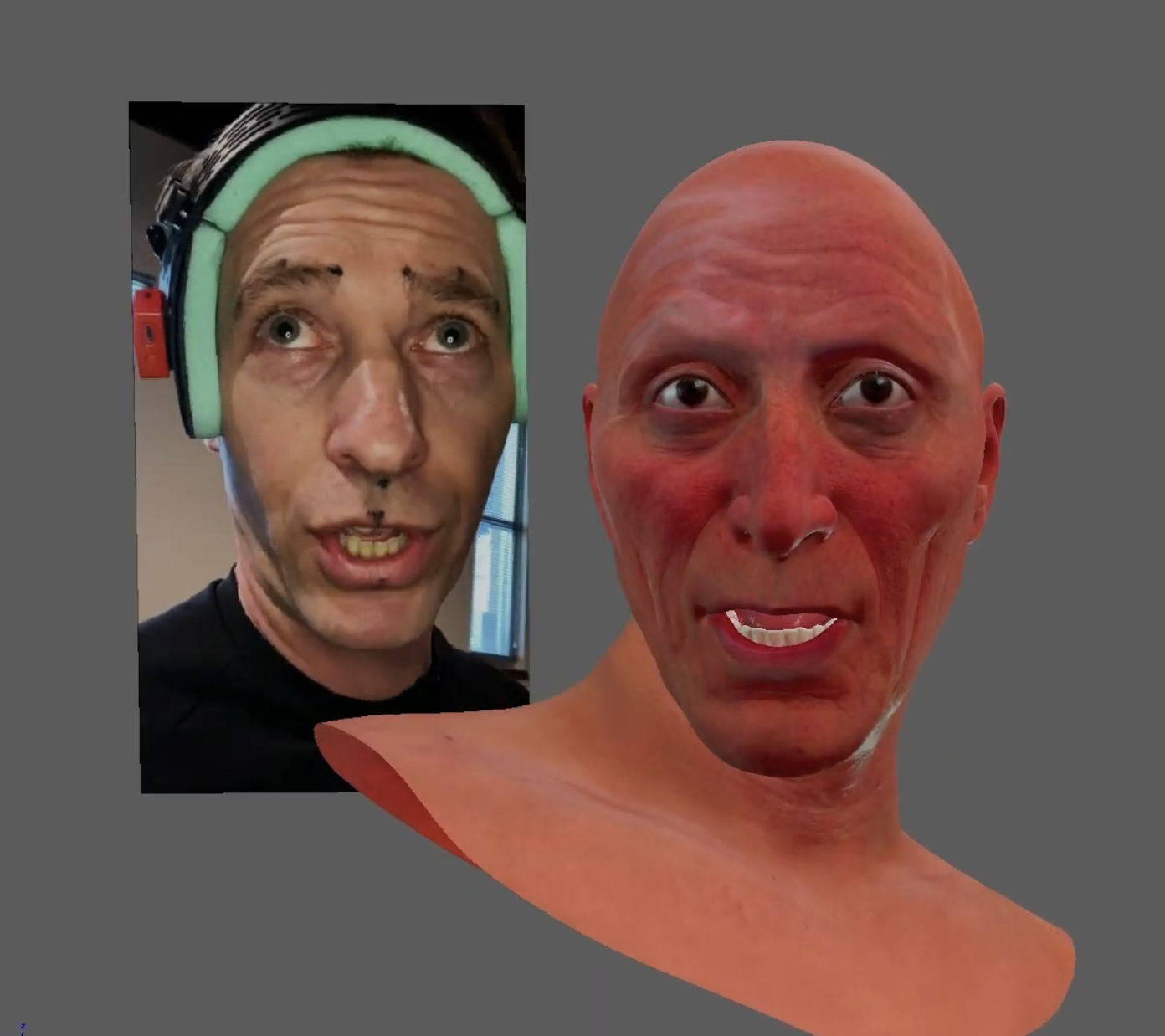
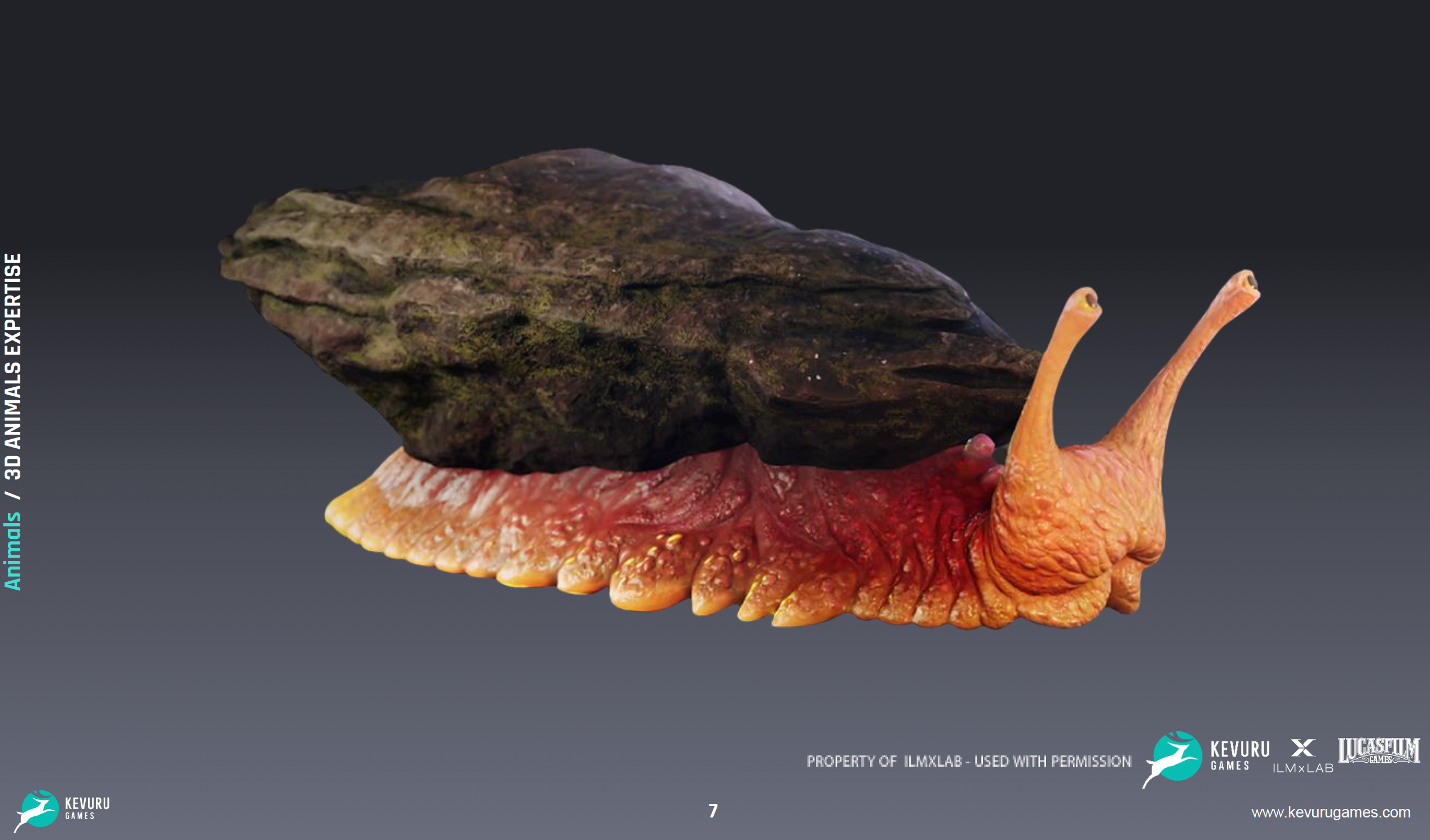
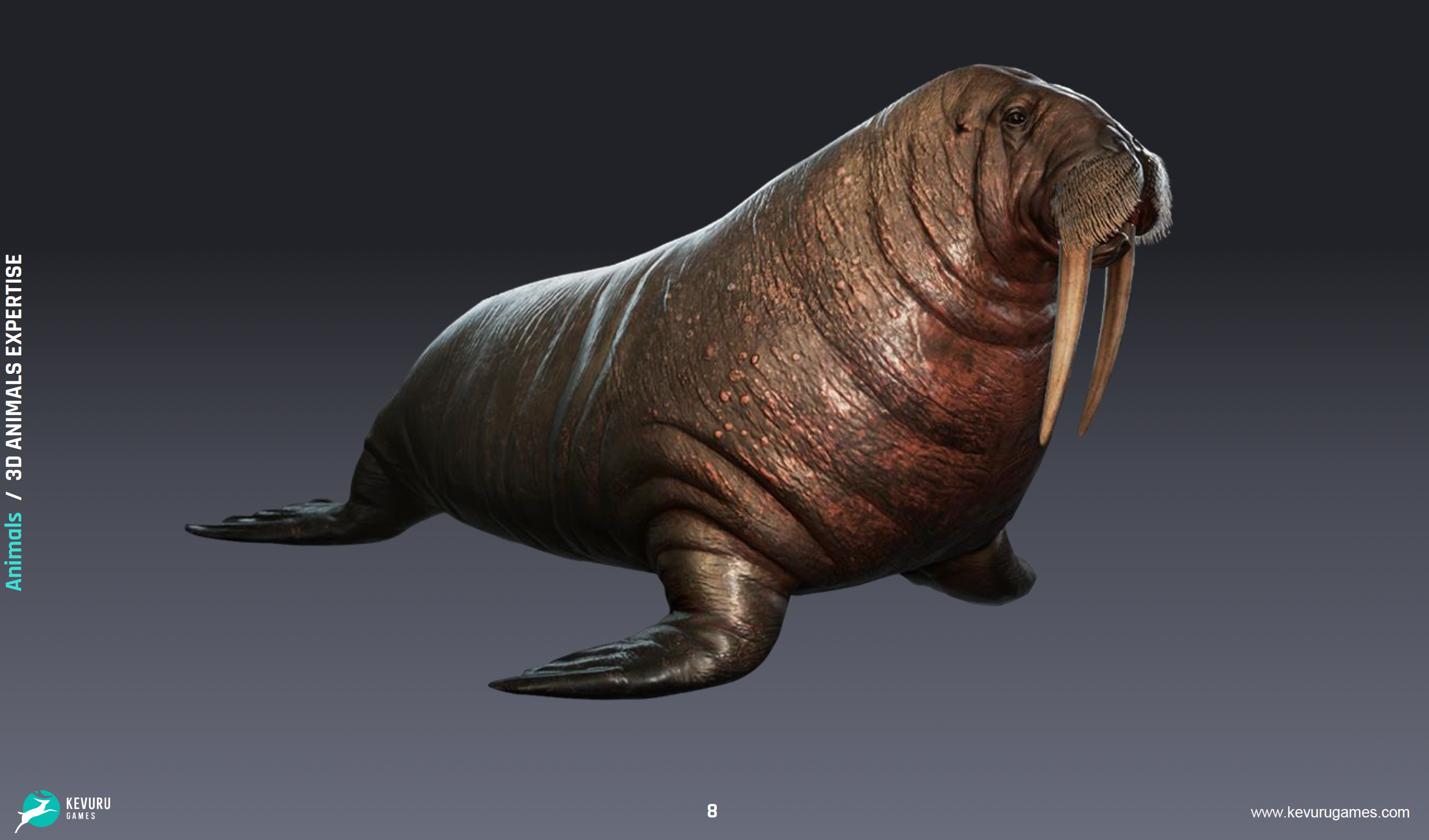
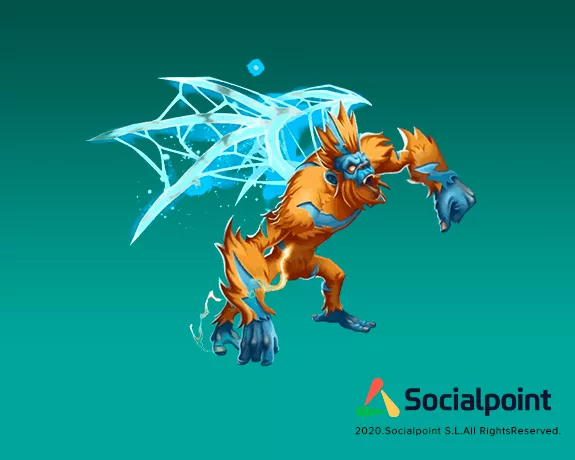
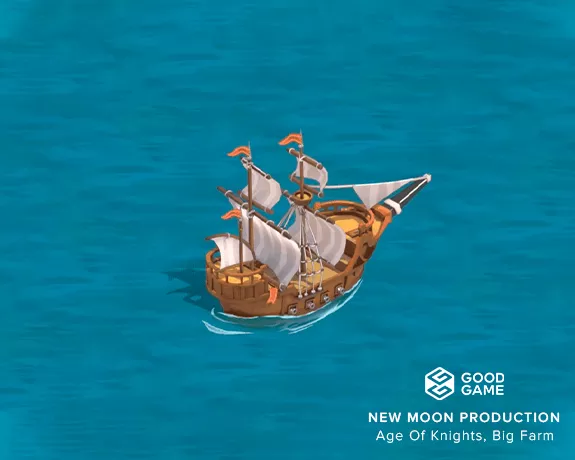
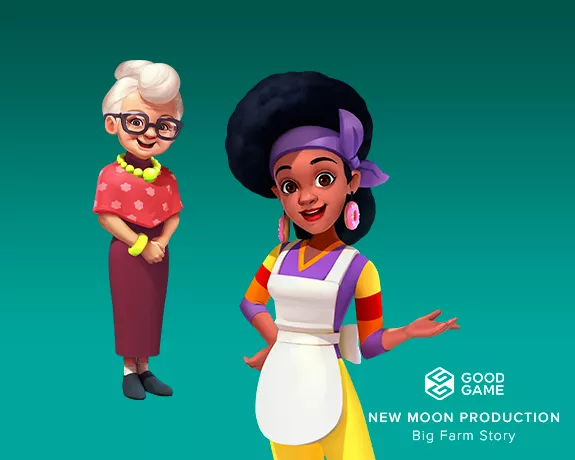
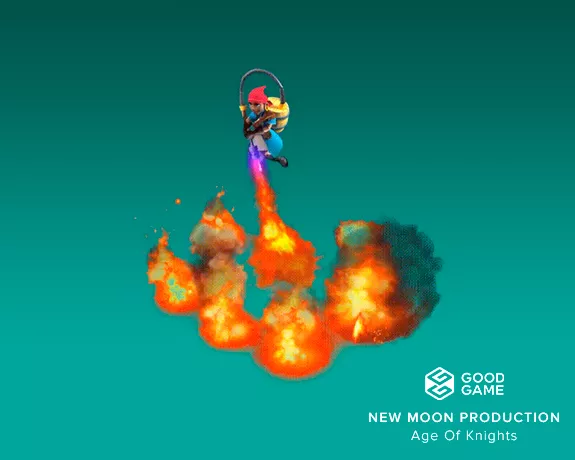
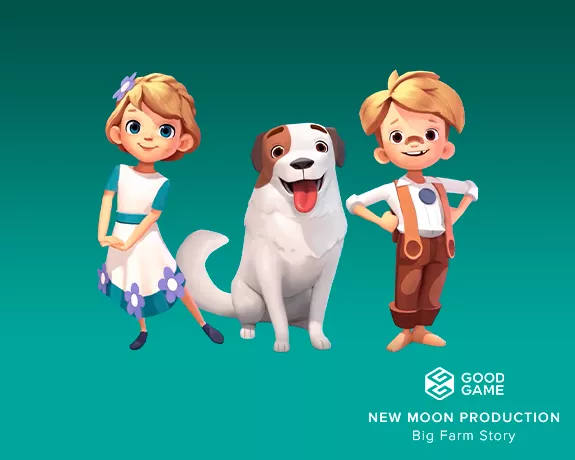
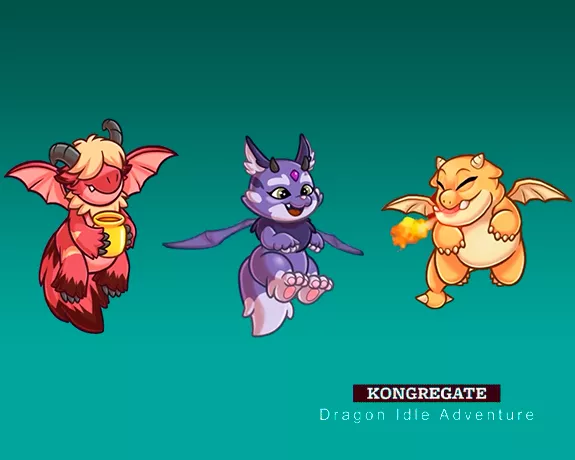
Our game art Projects
Star Wars
- VR-based action-adventure game based on the legendary franchise
- Creating 3D characters with texture variations
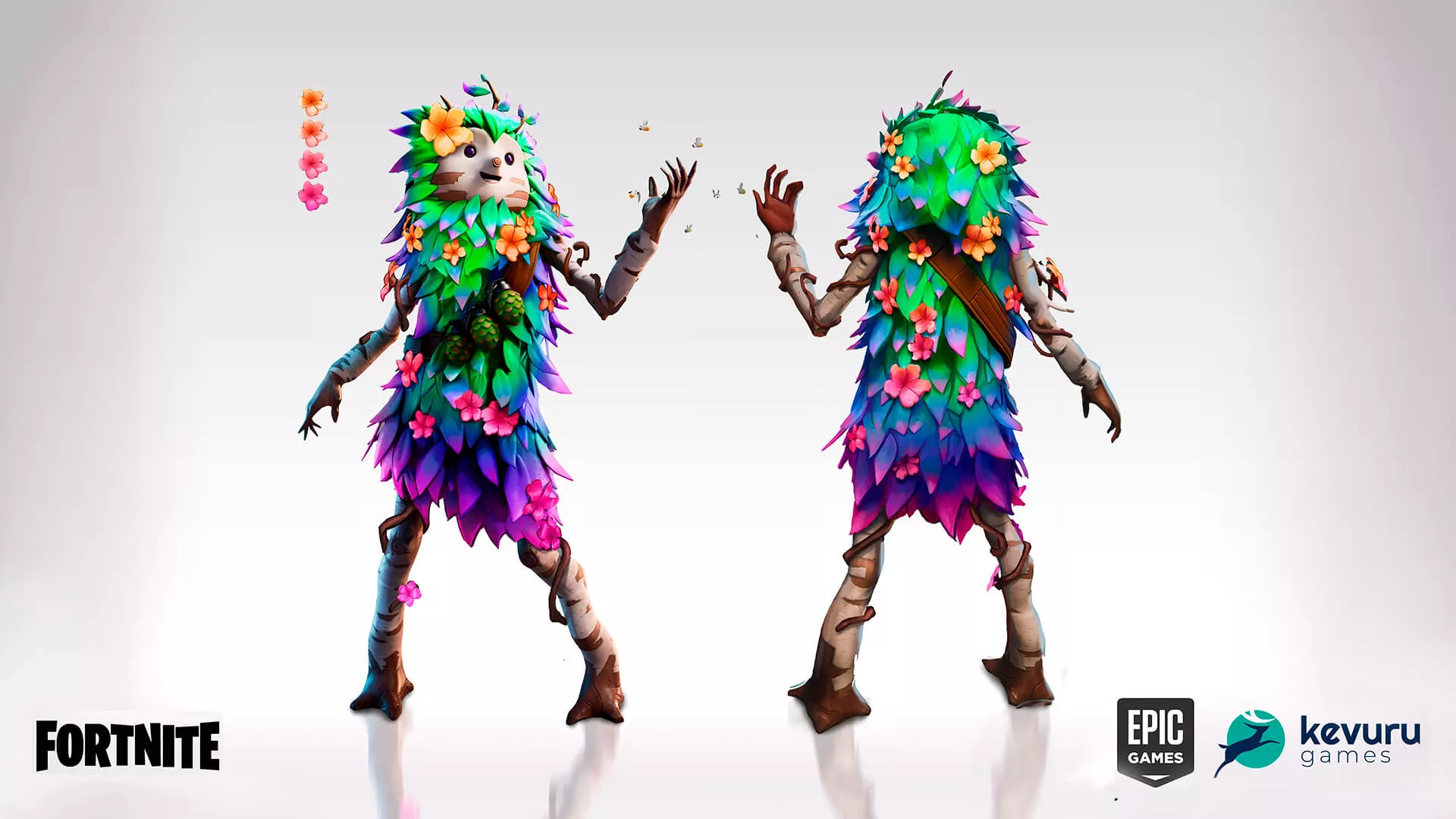
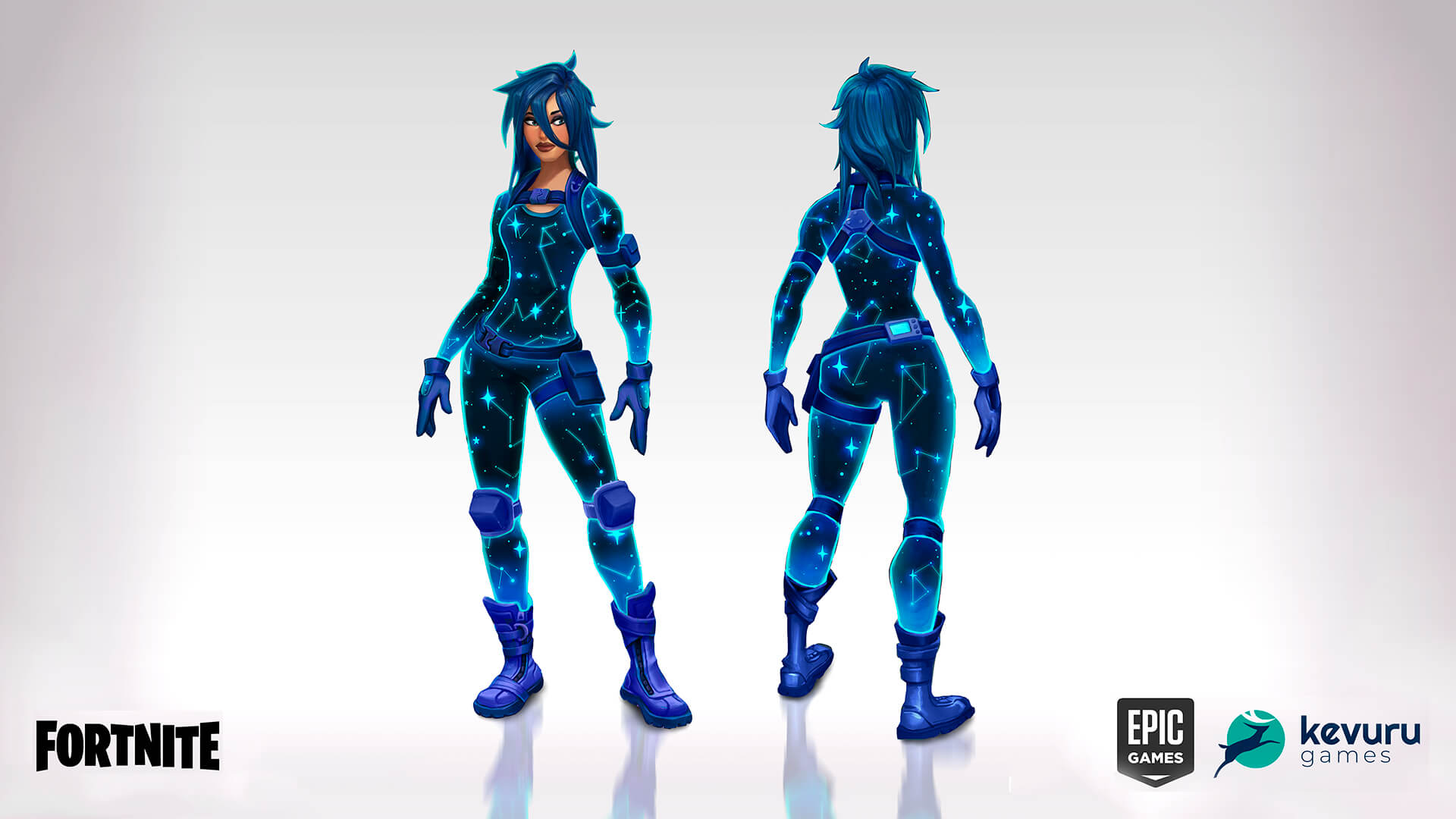
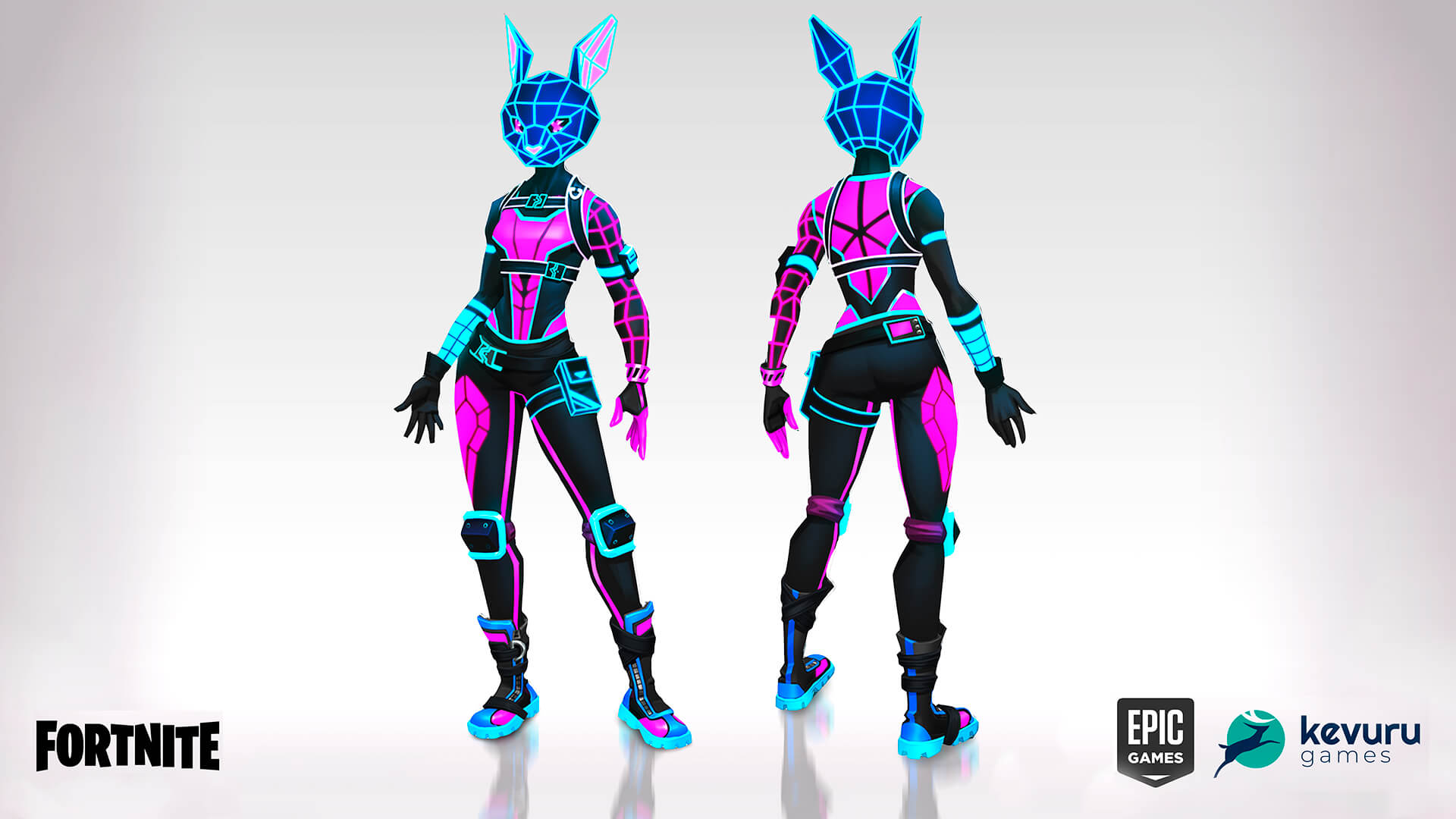
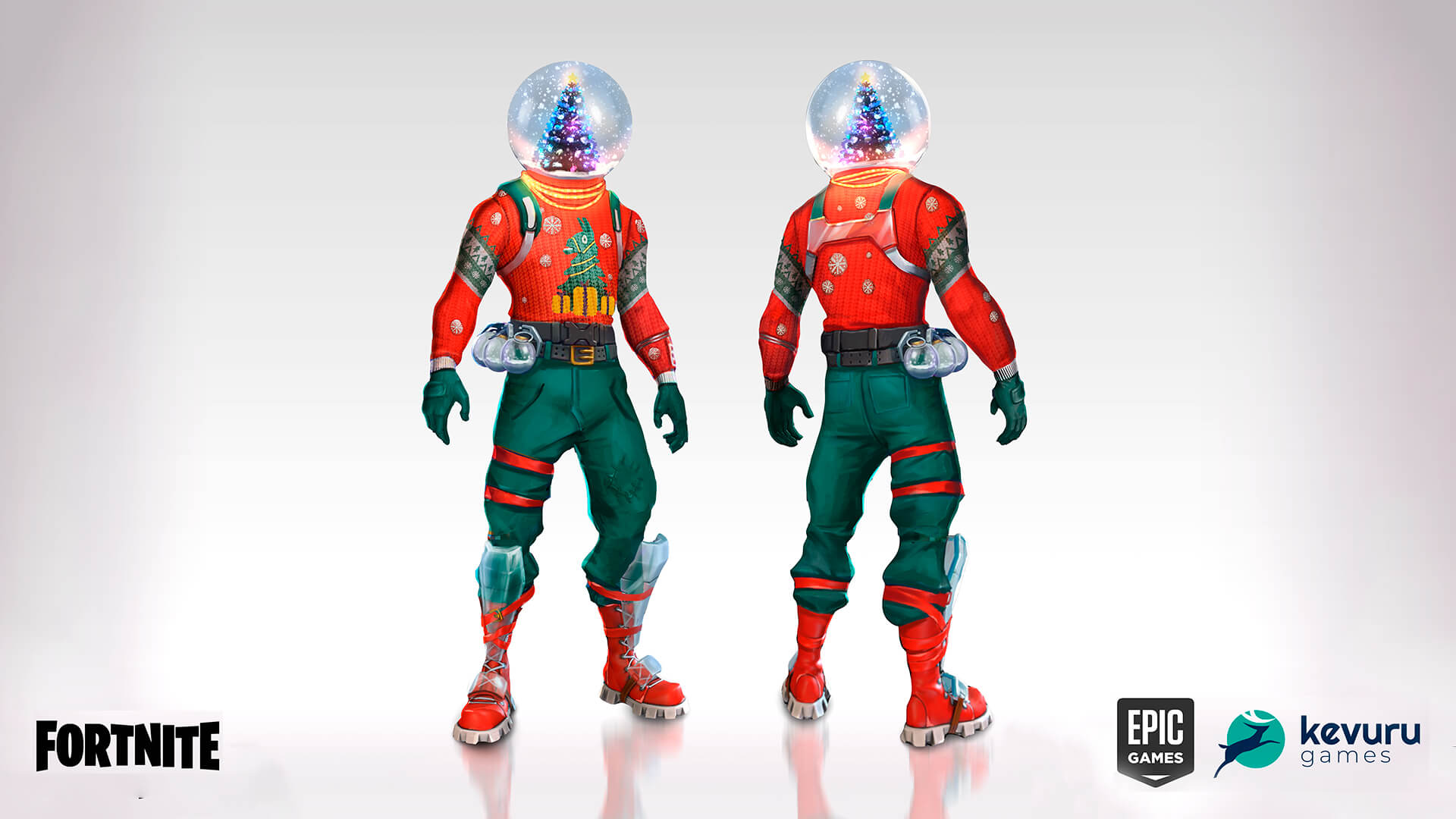
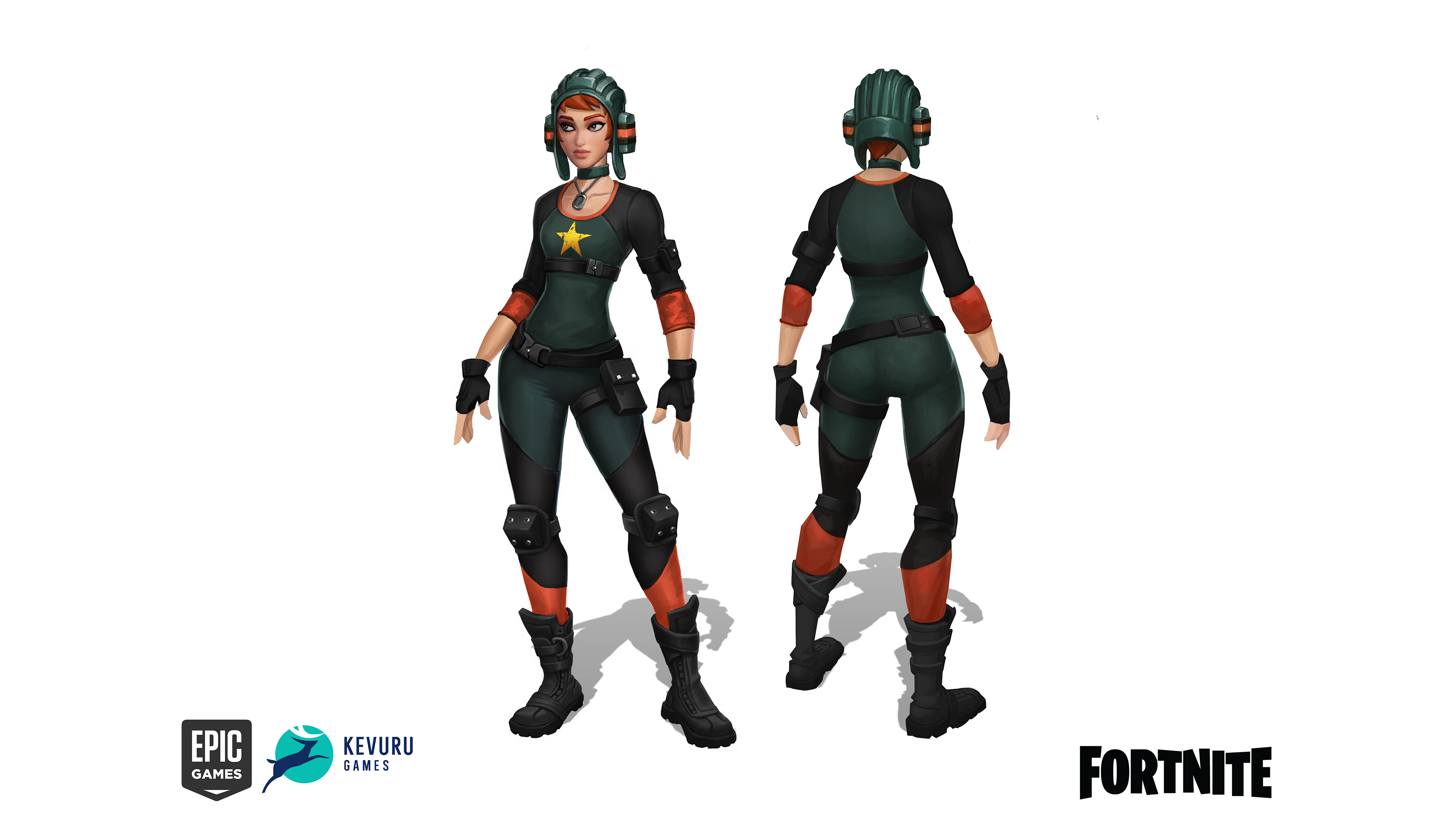
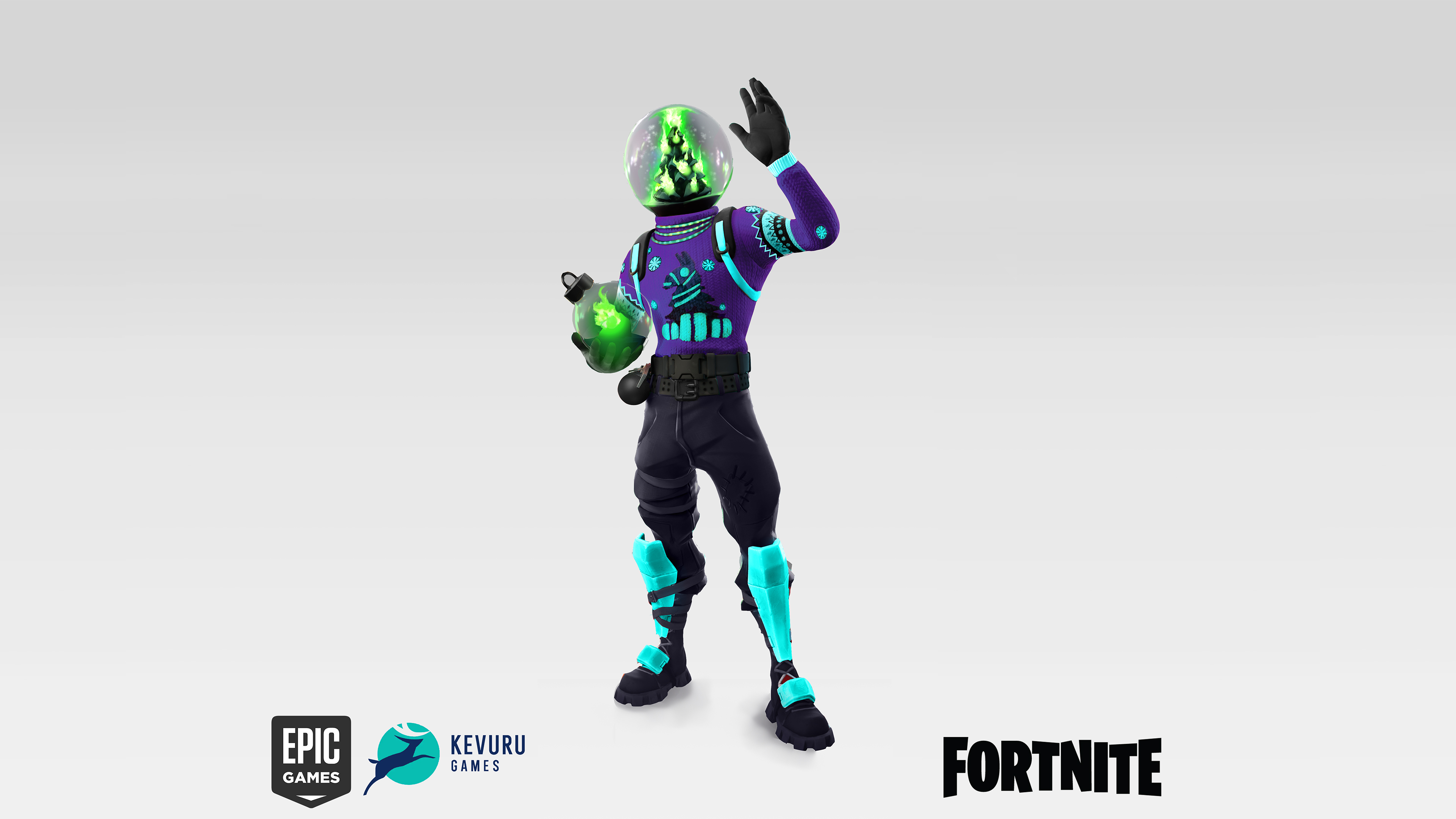
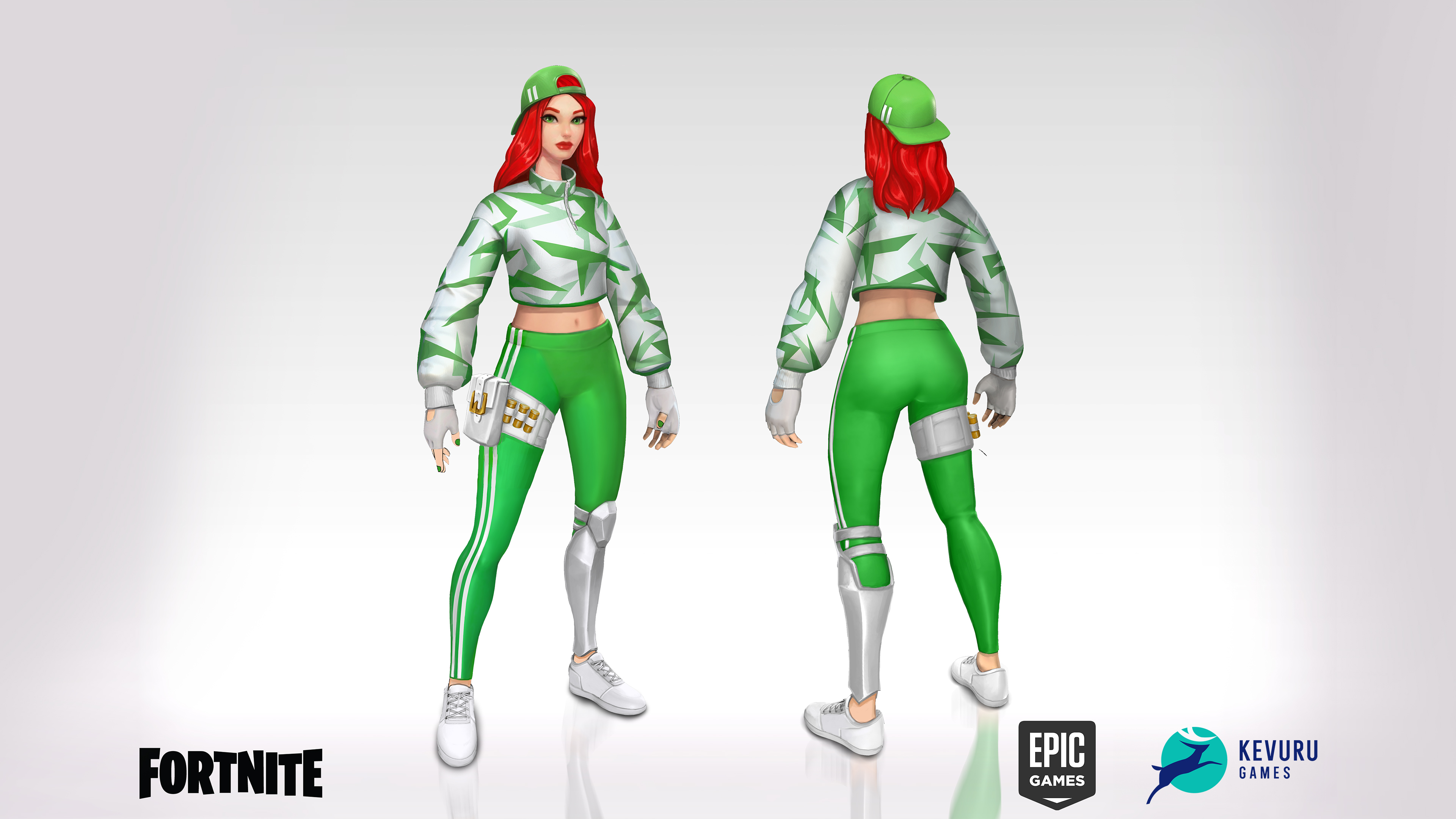
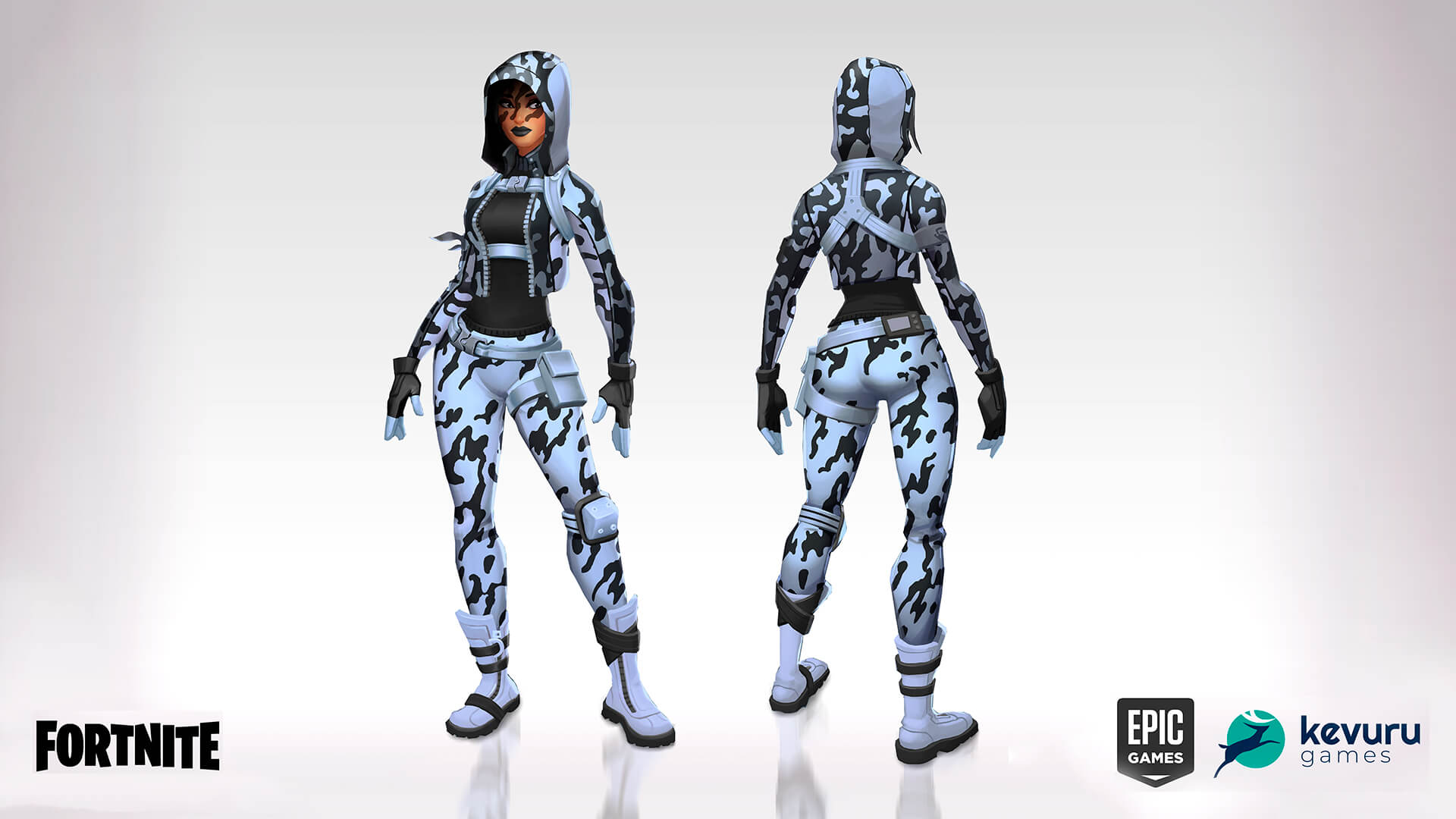
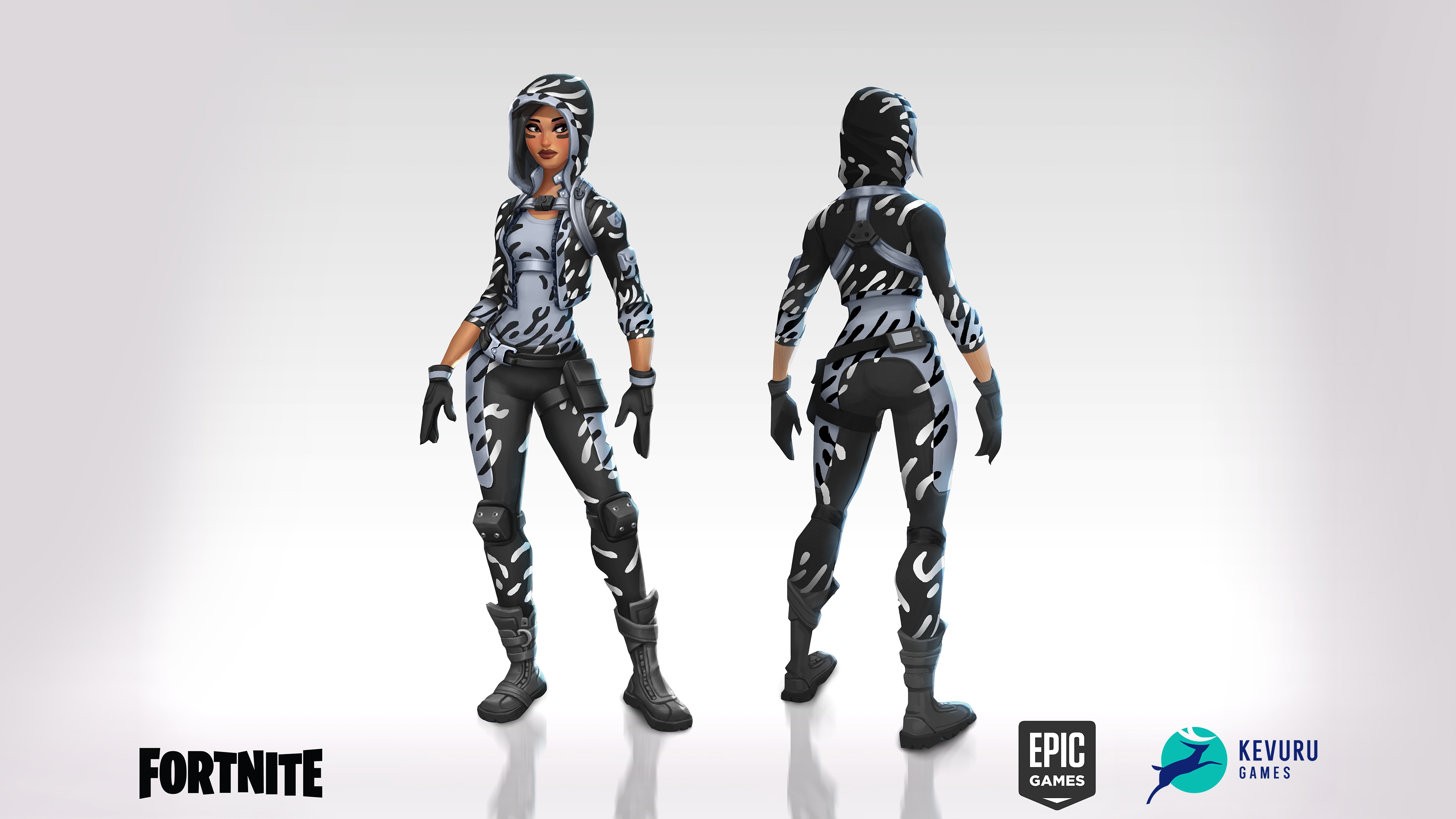
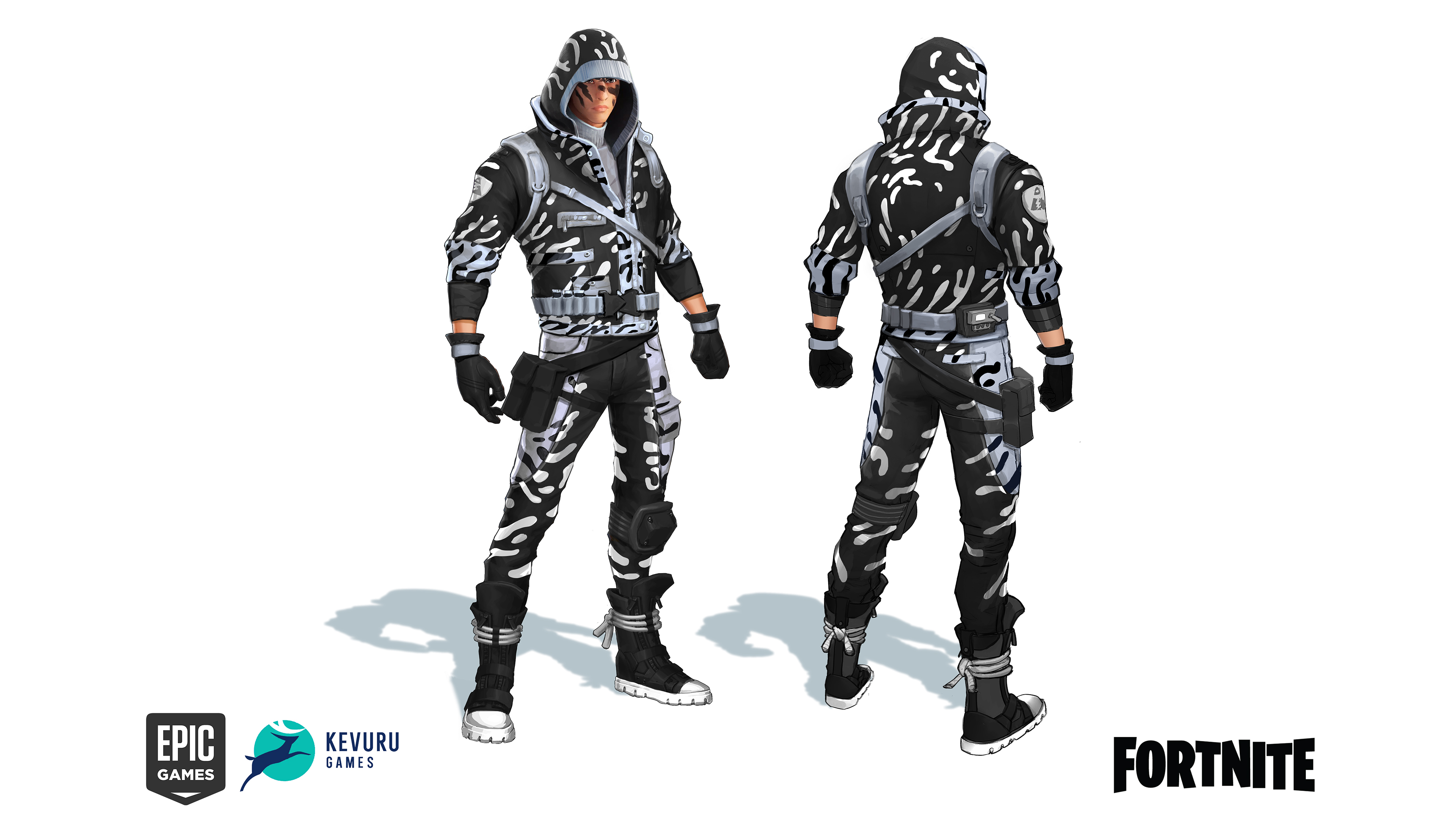
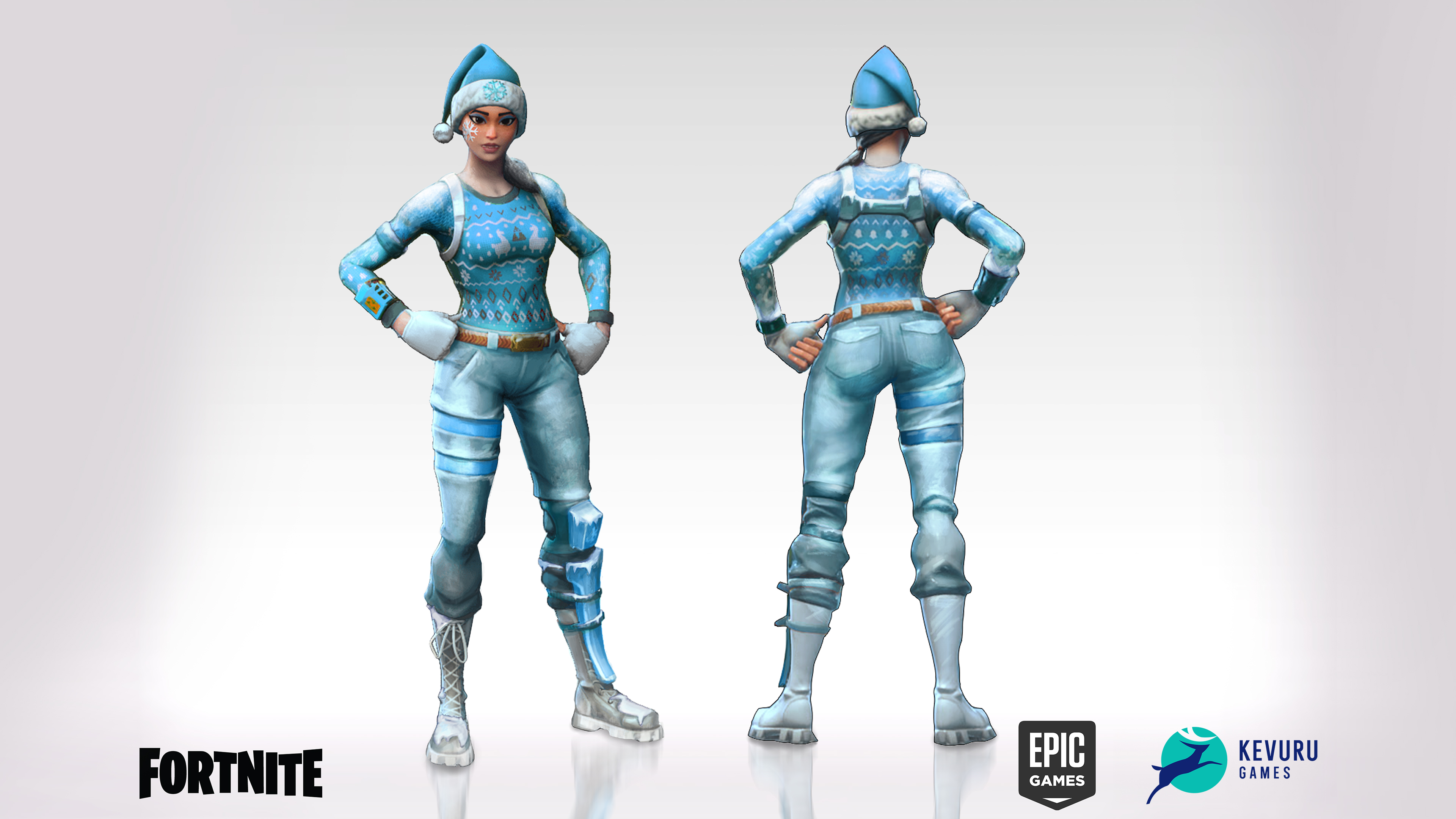
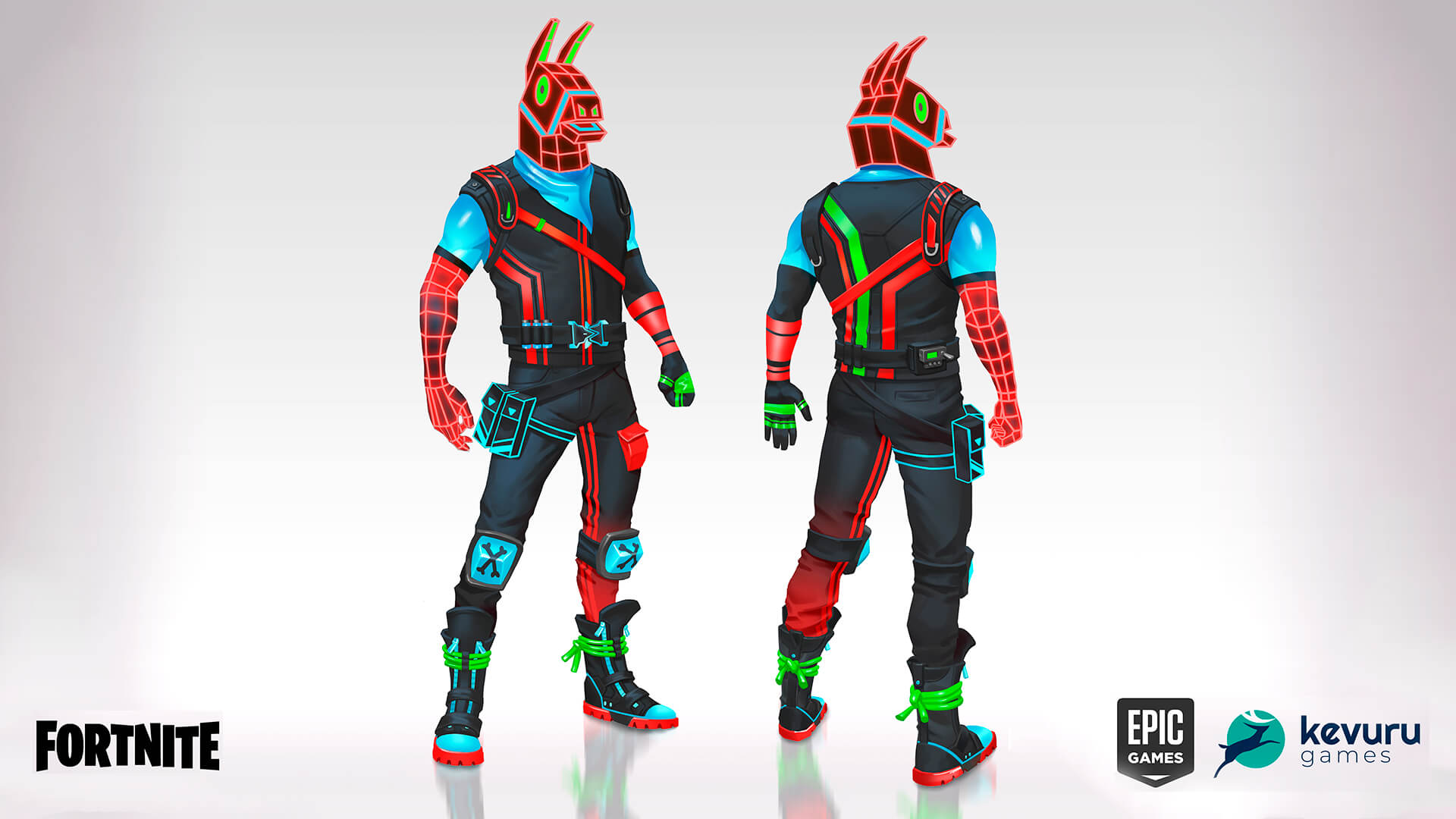
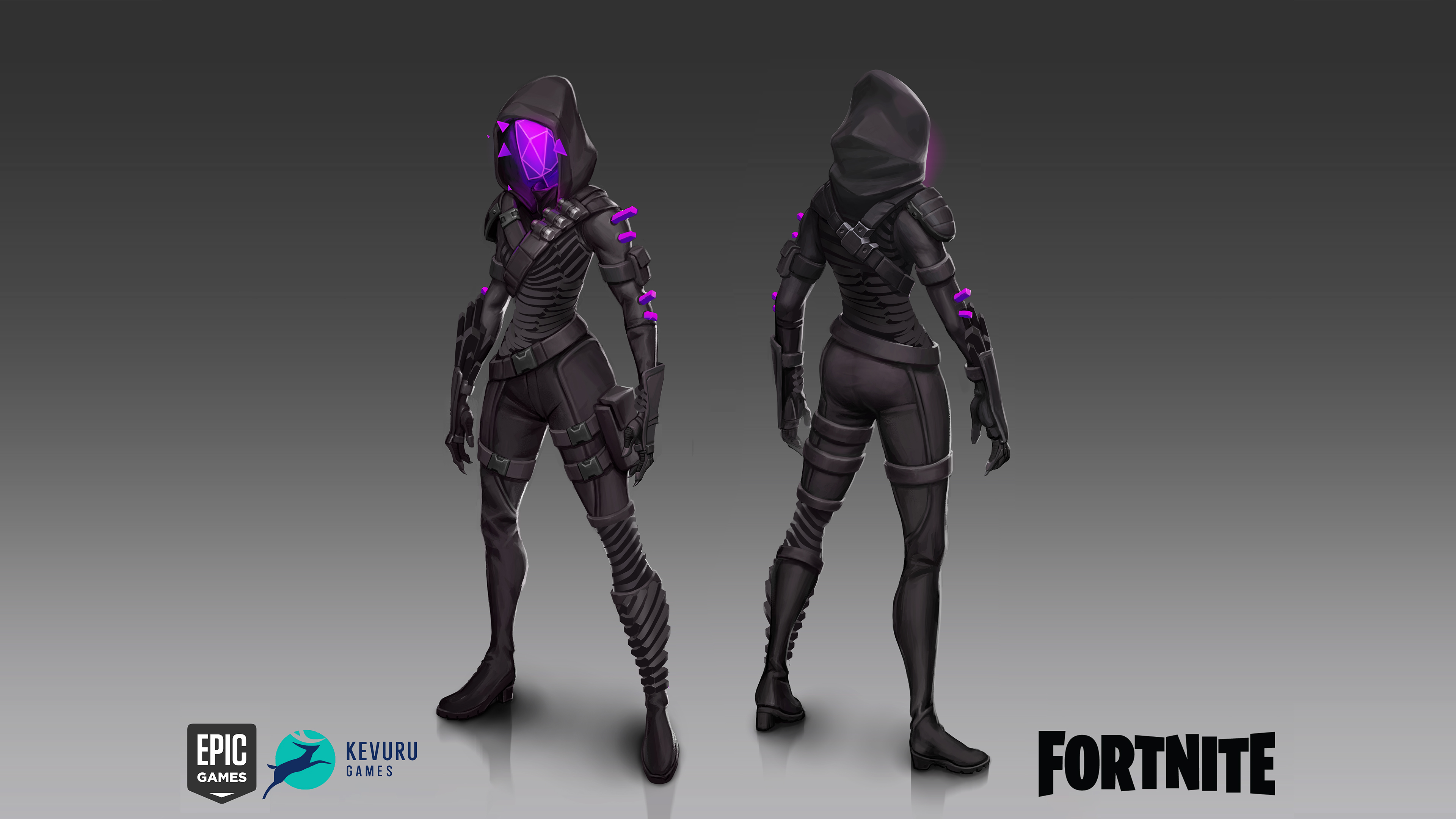
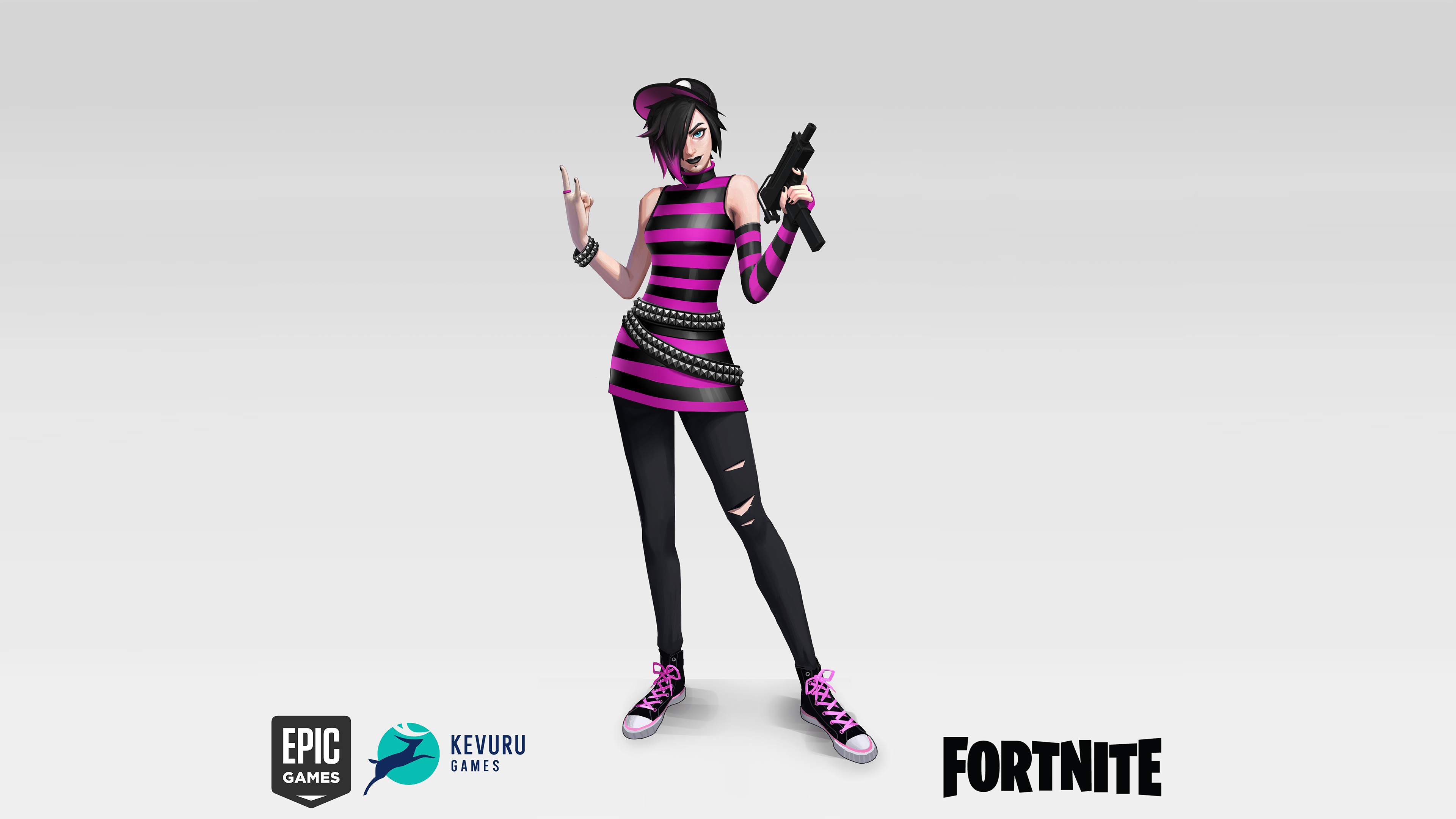
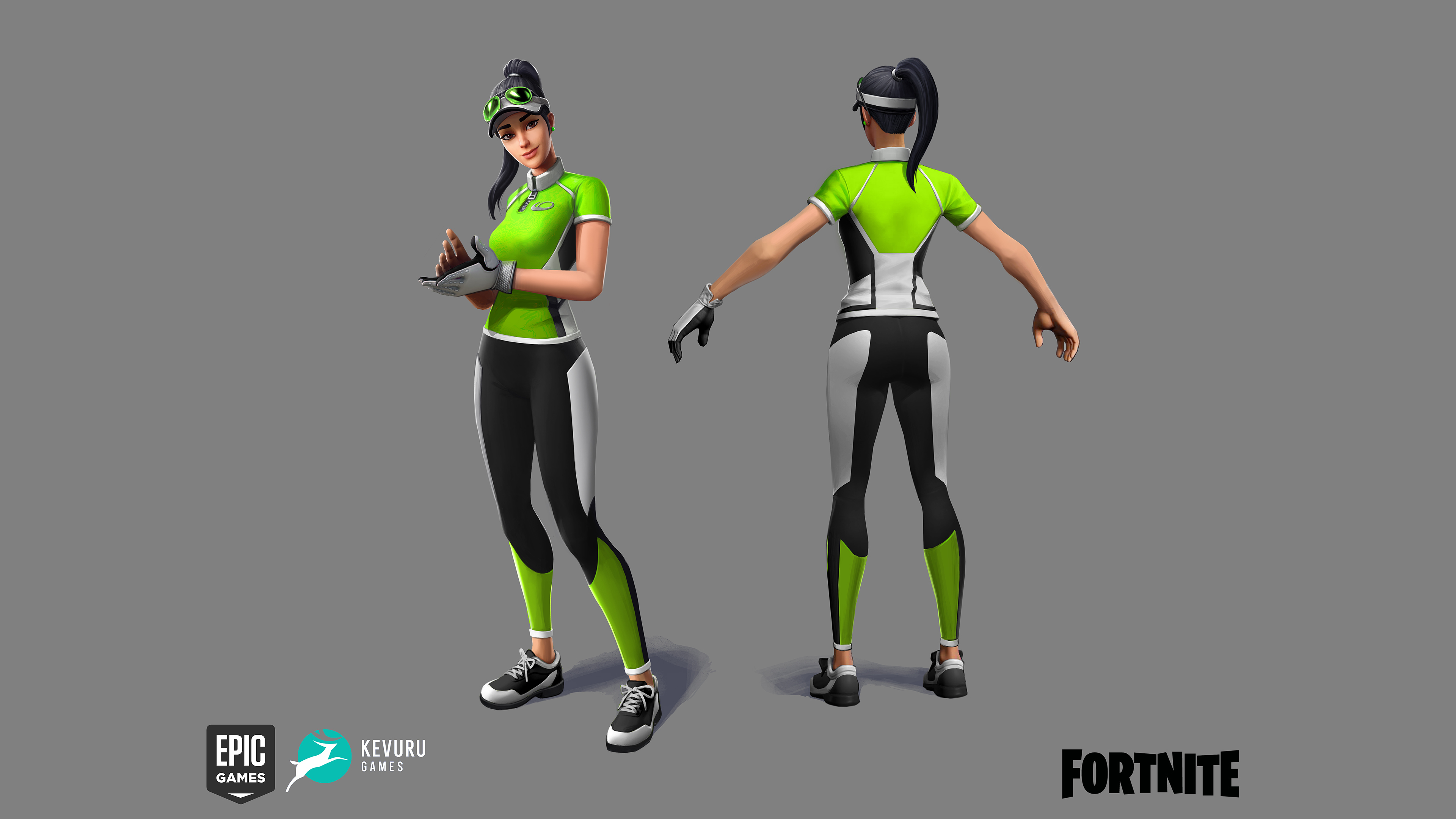
Fortnite
- Iconic free-to-play Battle Royale game with over 400 million players worldwide
- Creating concept art for character skins
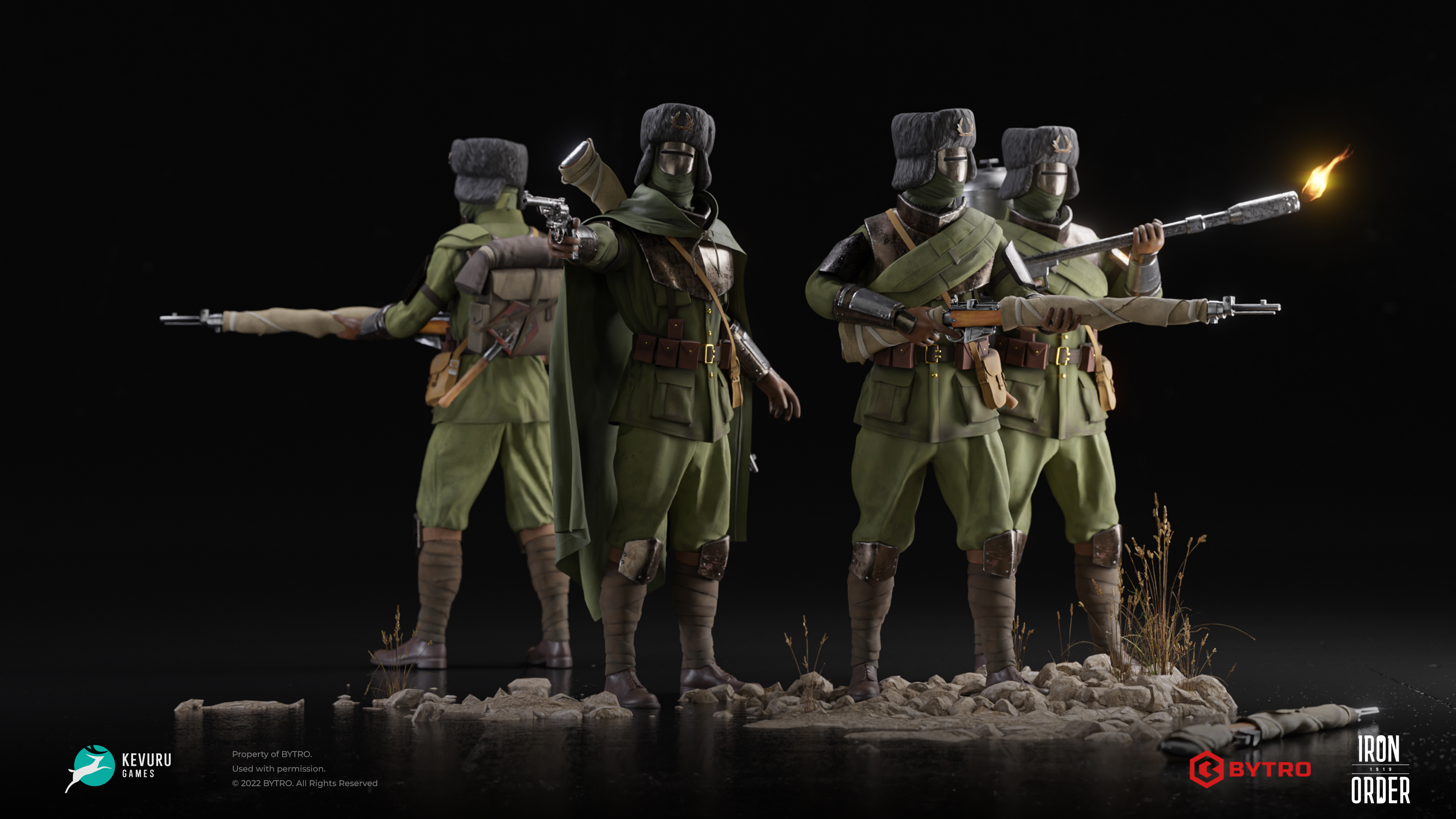
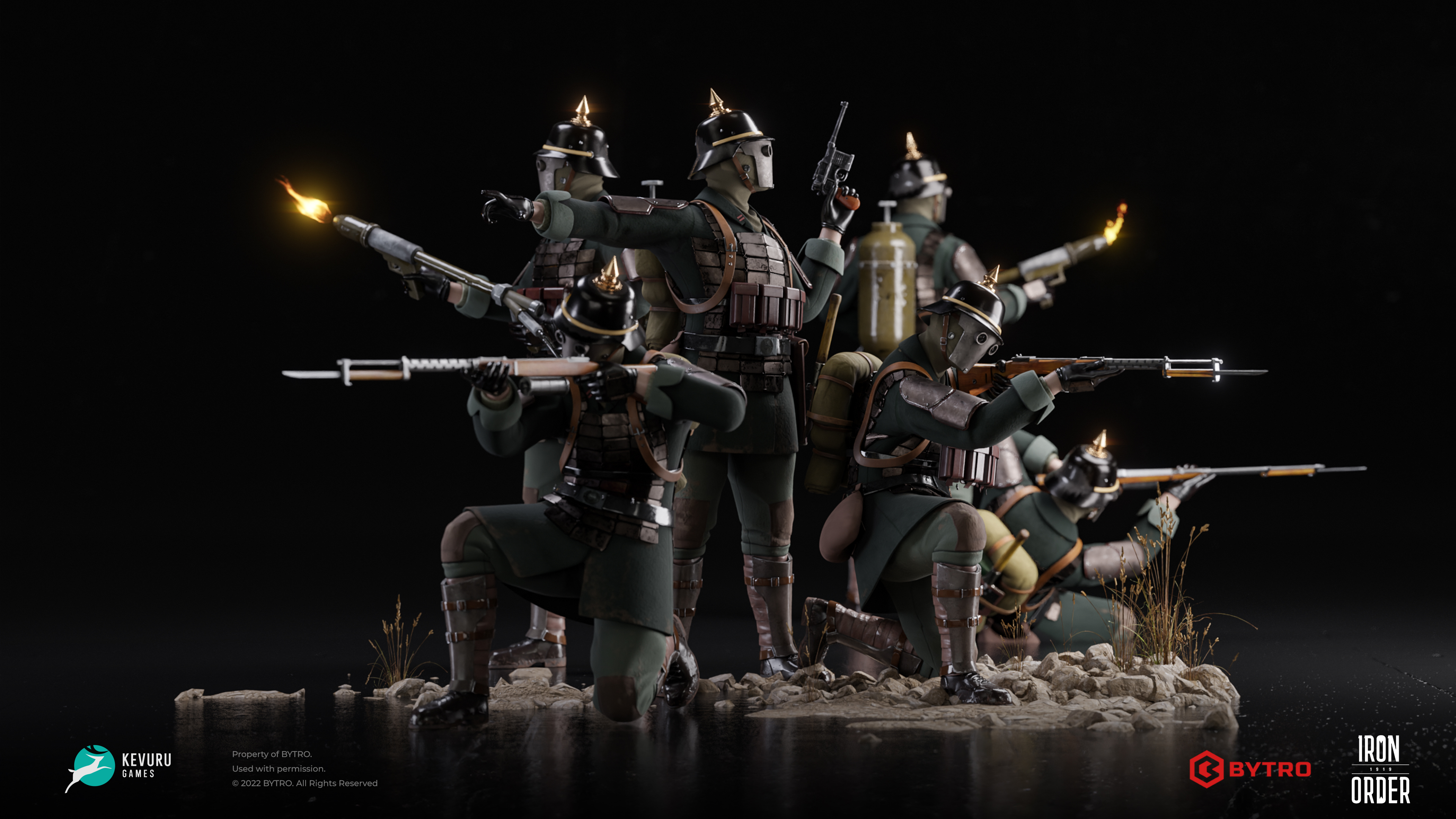
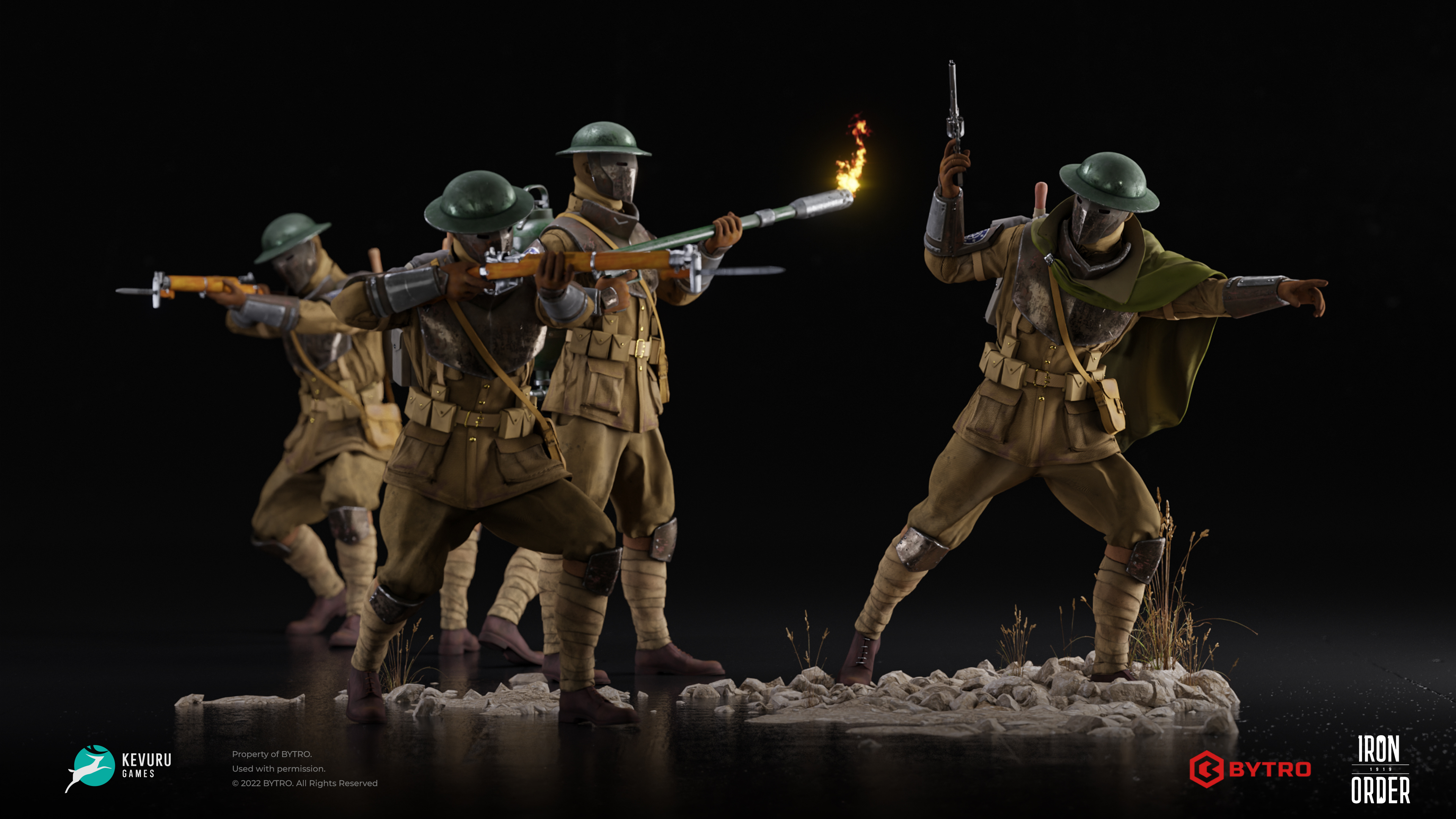
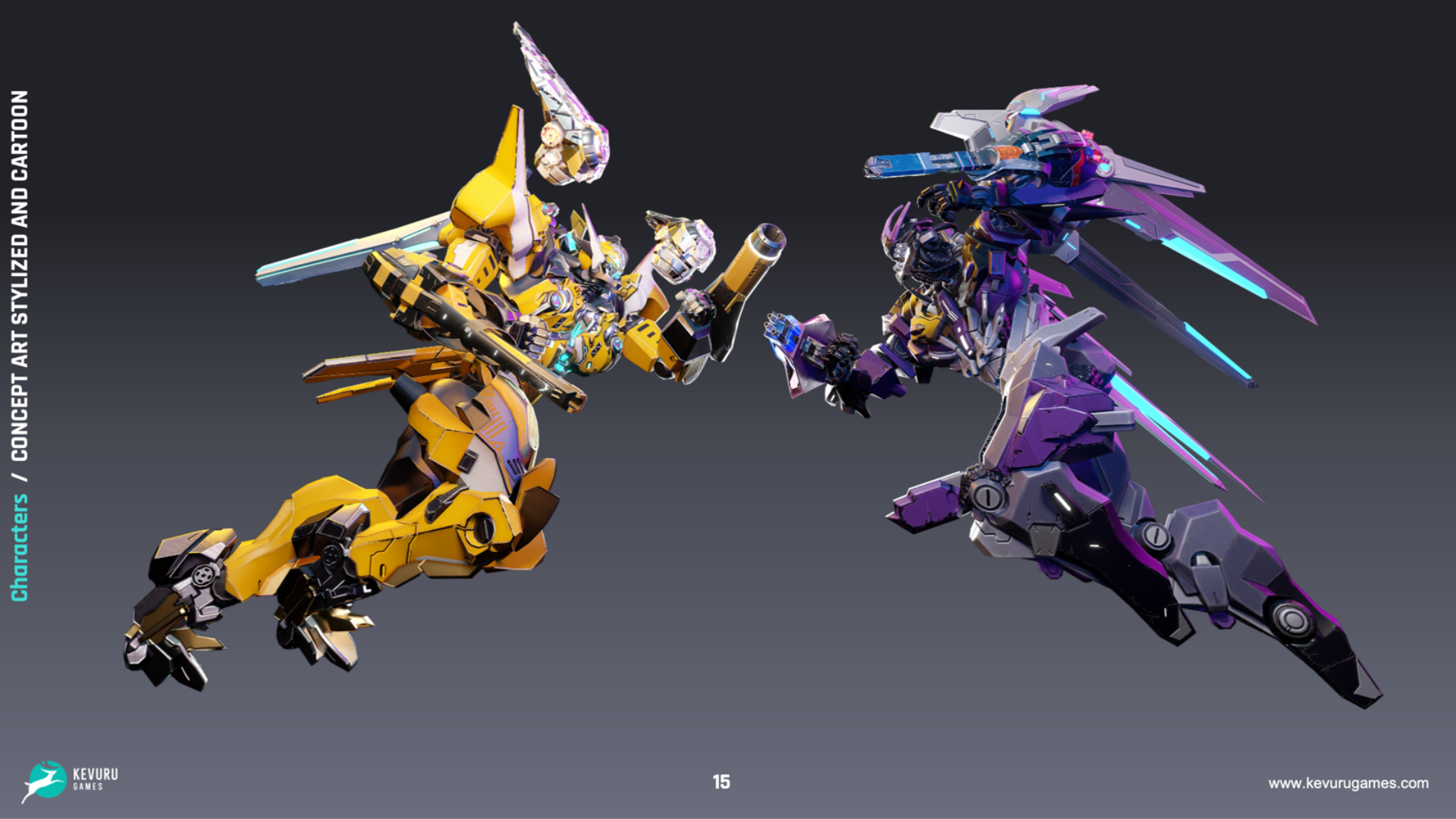
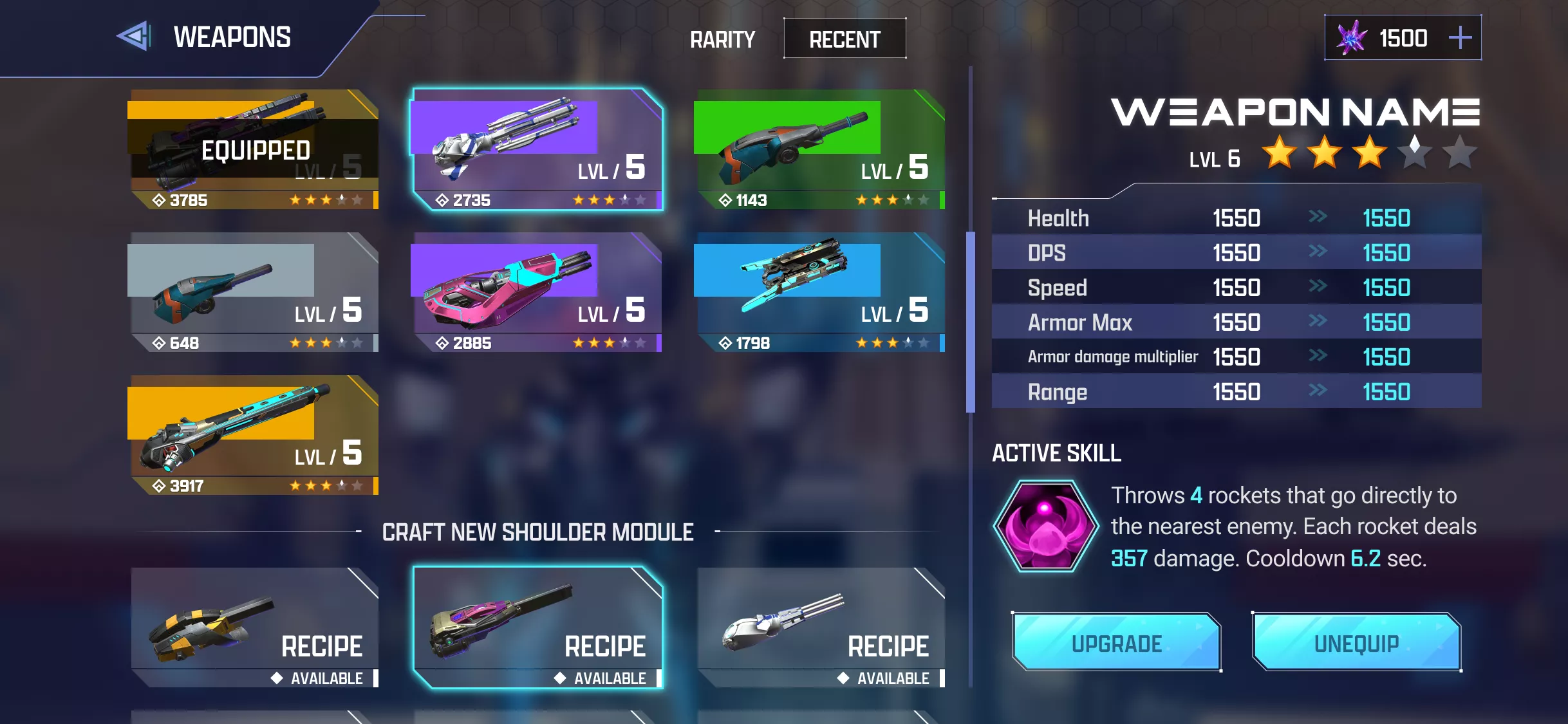
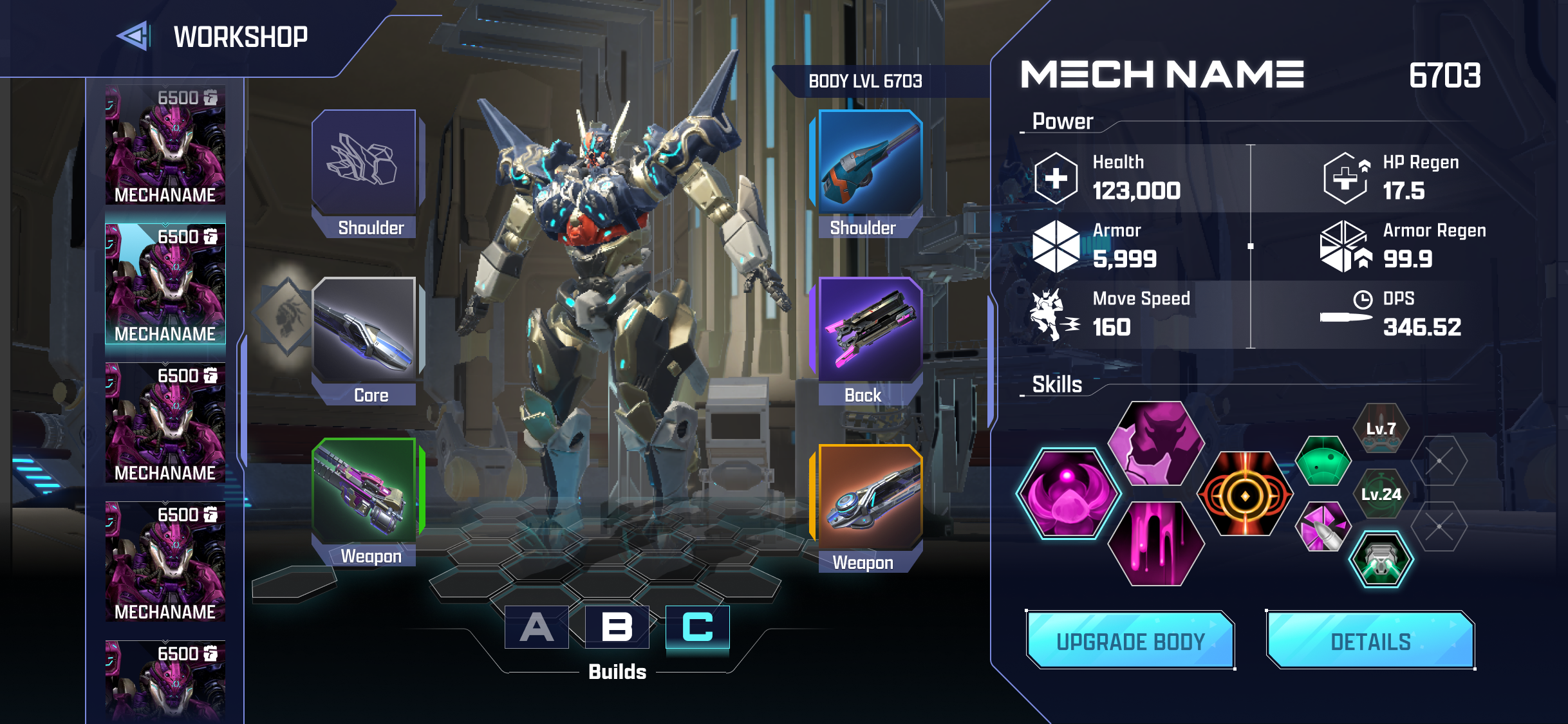
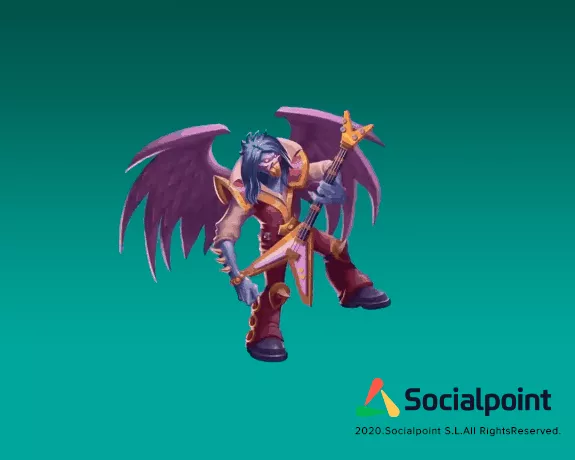
Iron Order 1919
- Cross-platform strategy game for mobile devices and browser
- Creating 3D models of mechs and soldiers, as well as their animations
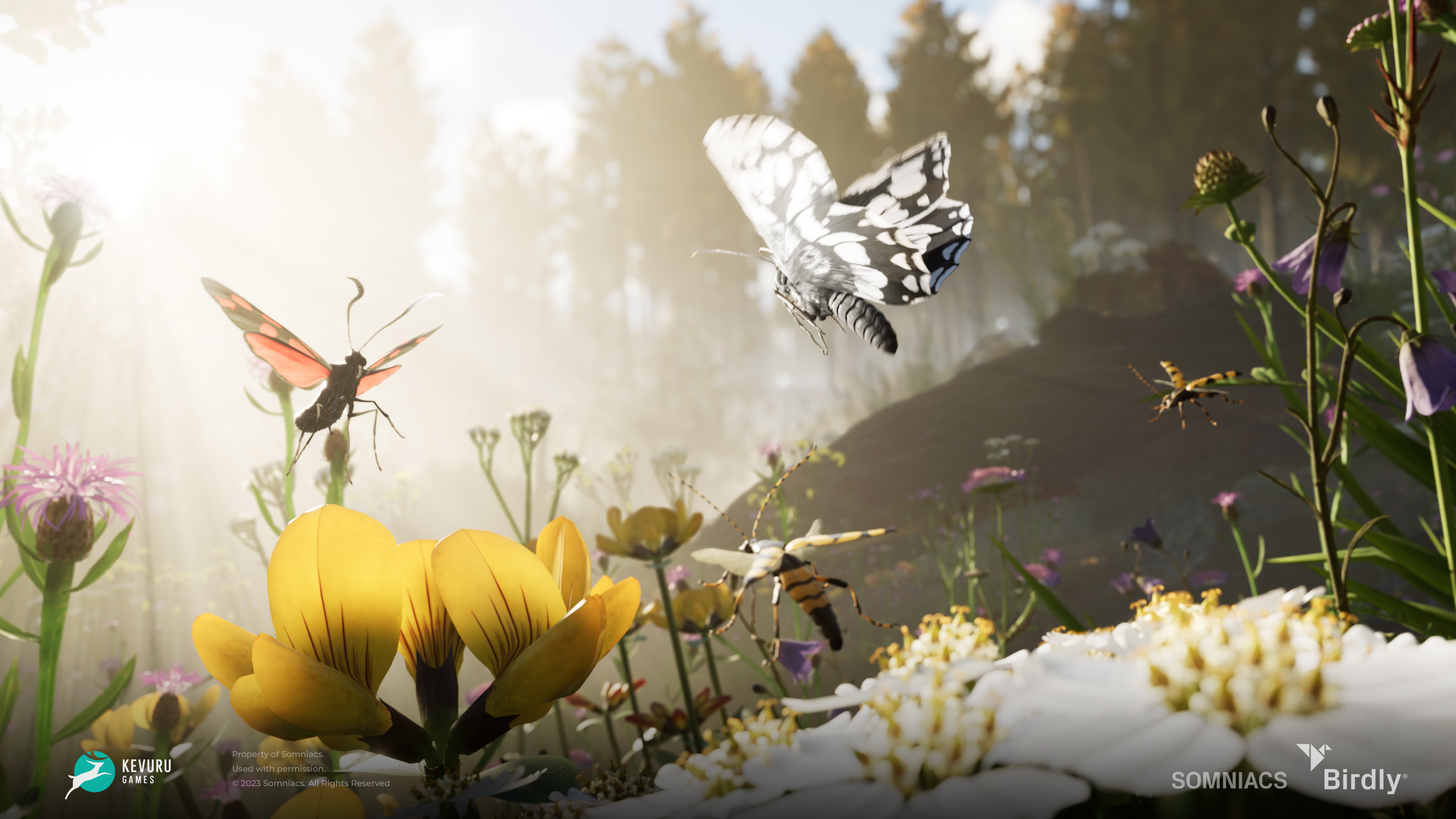
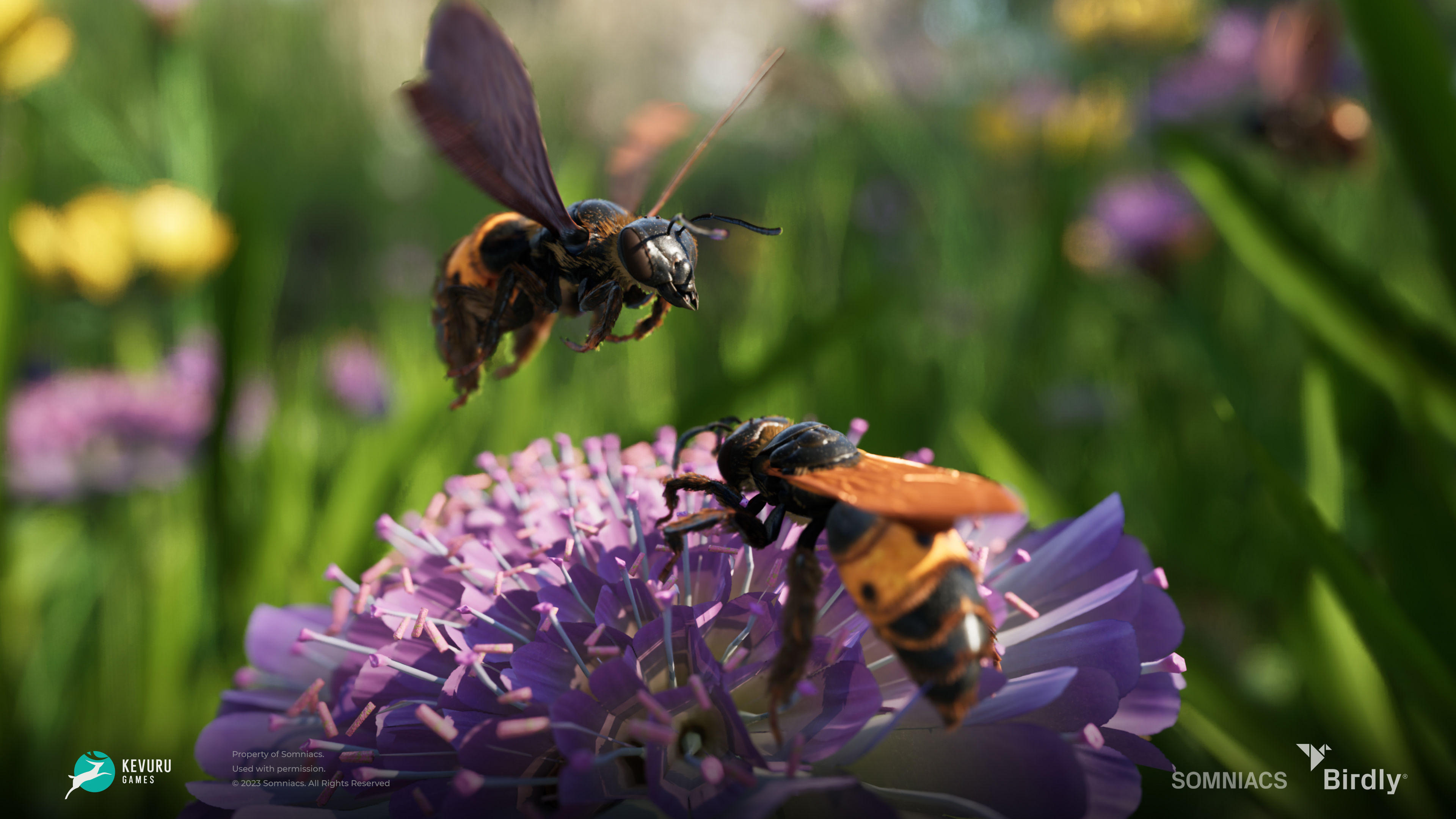
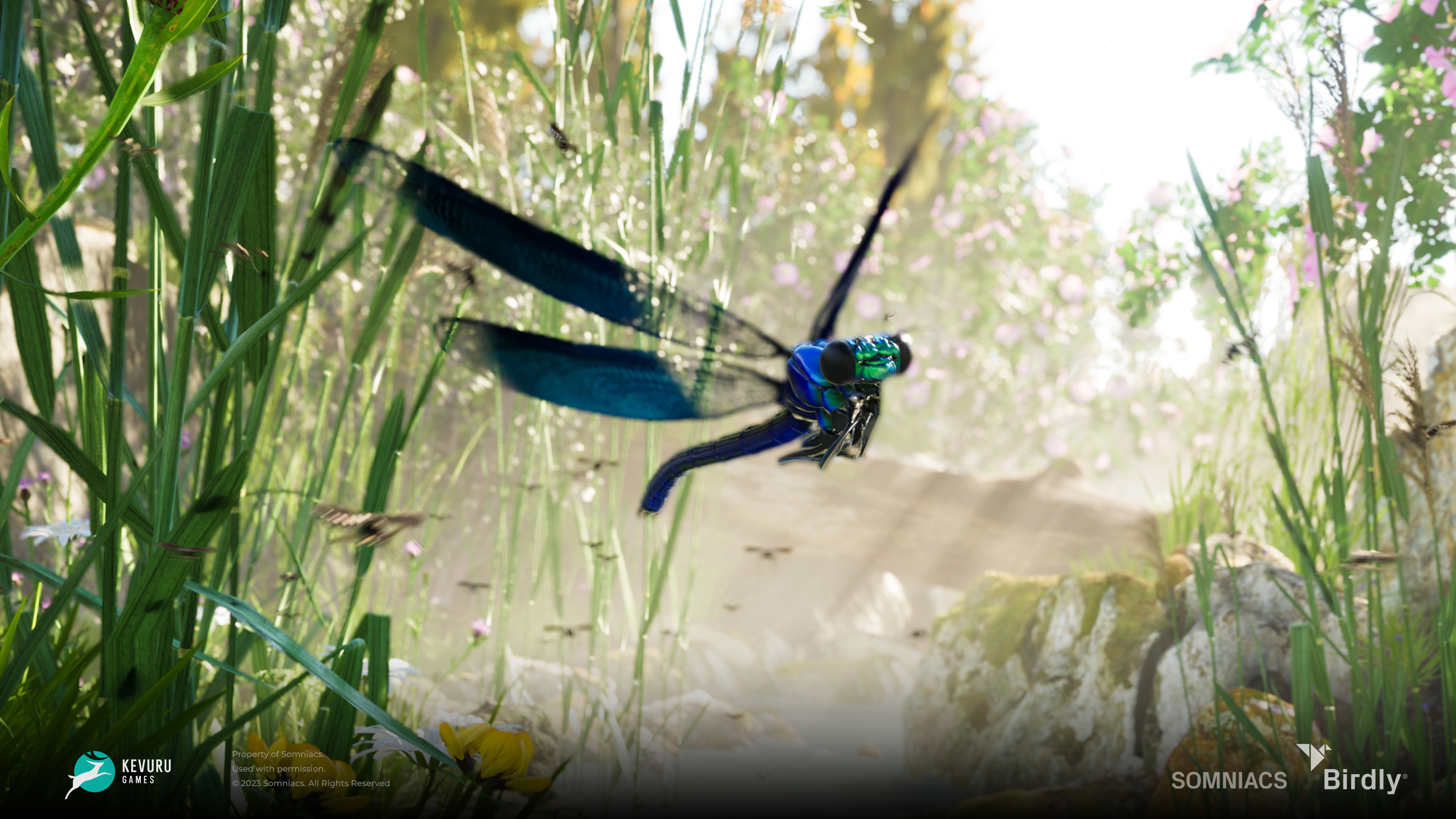
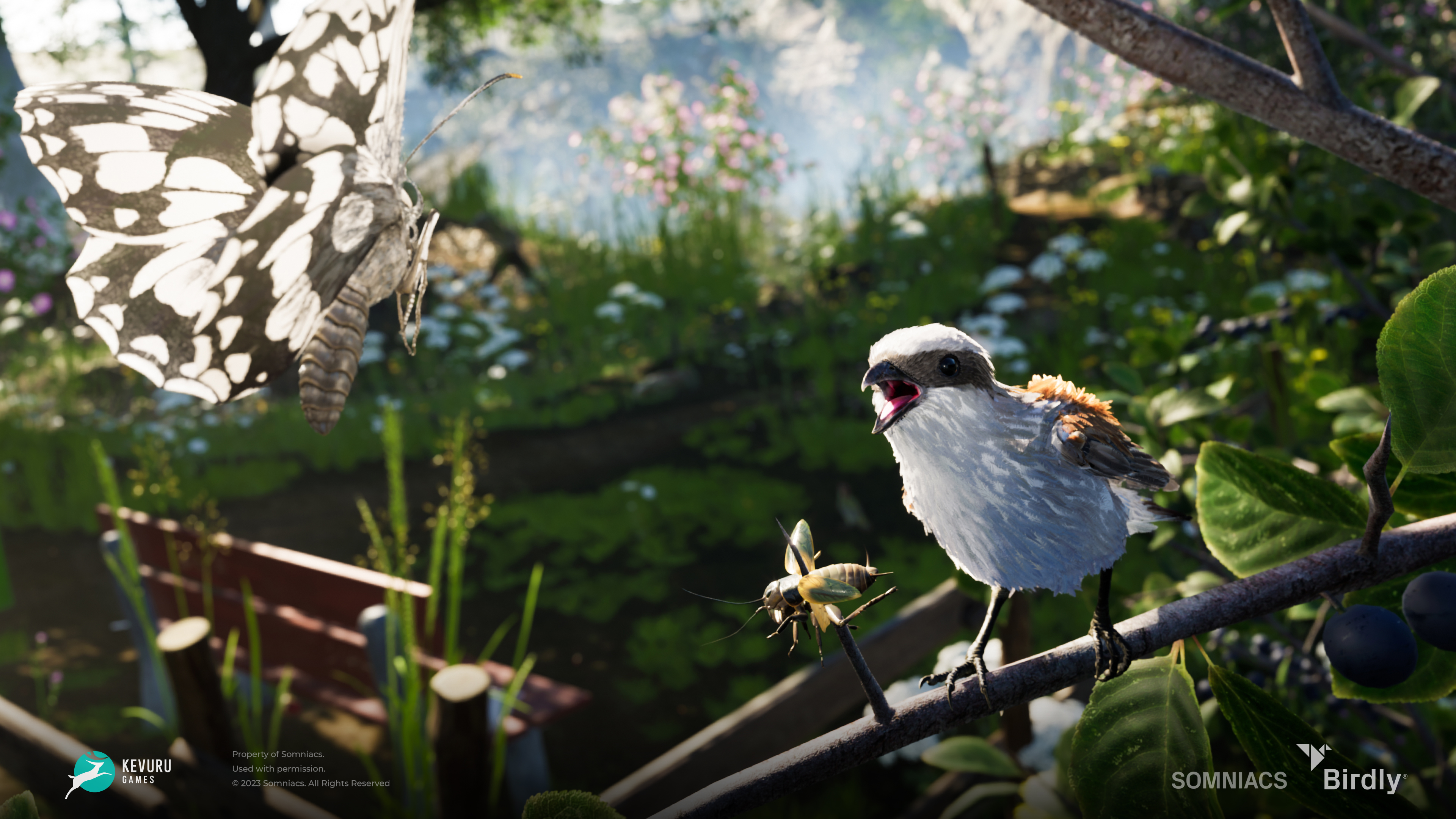
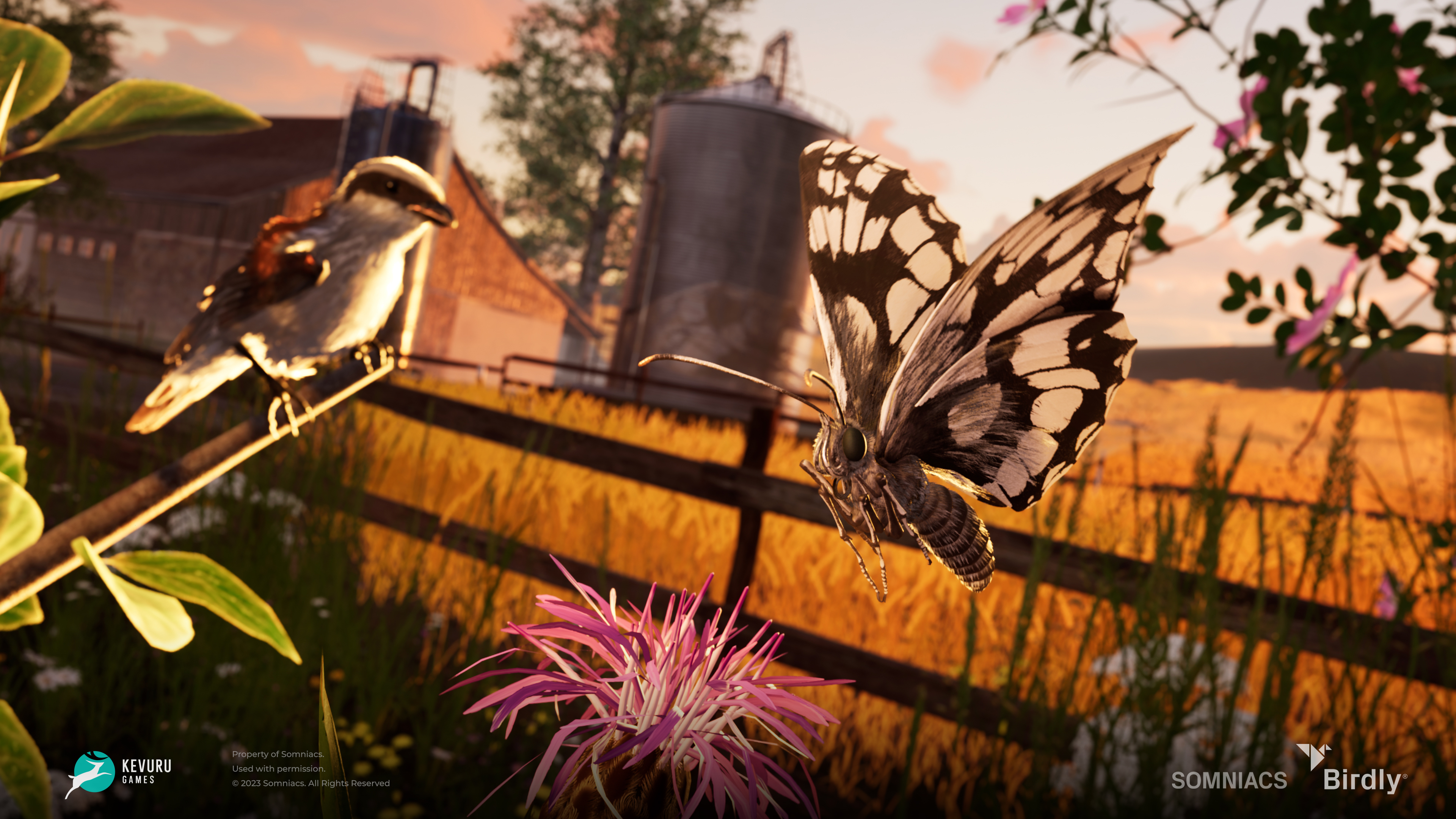
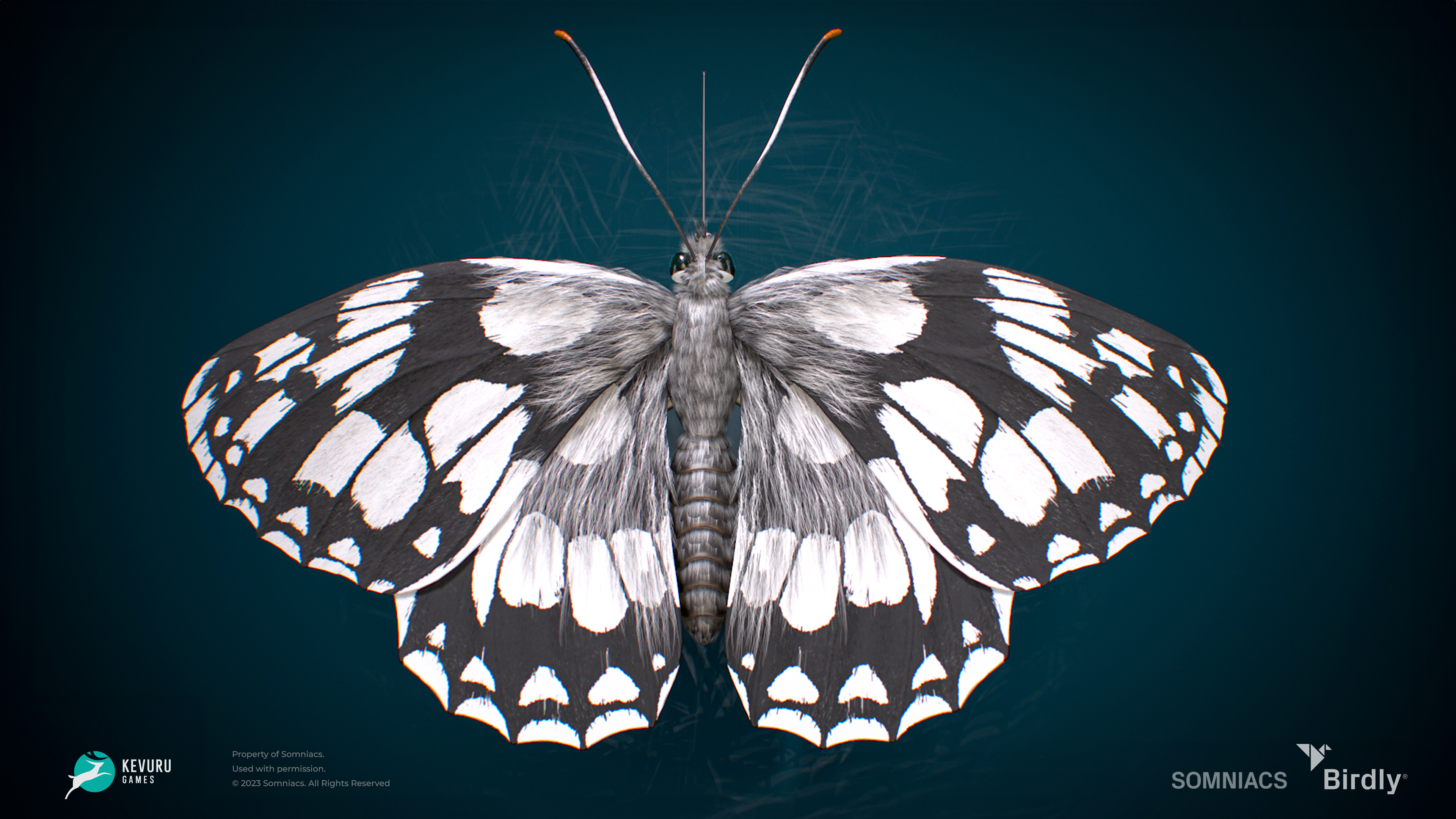
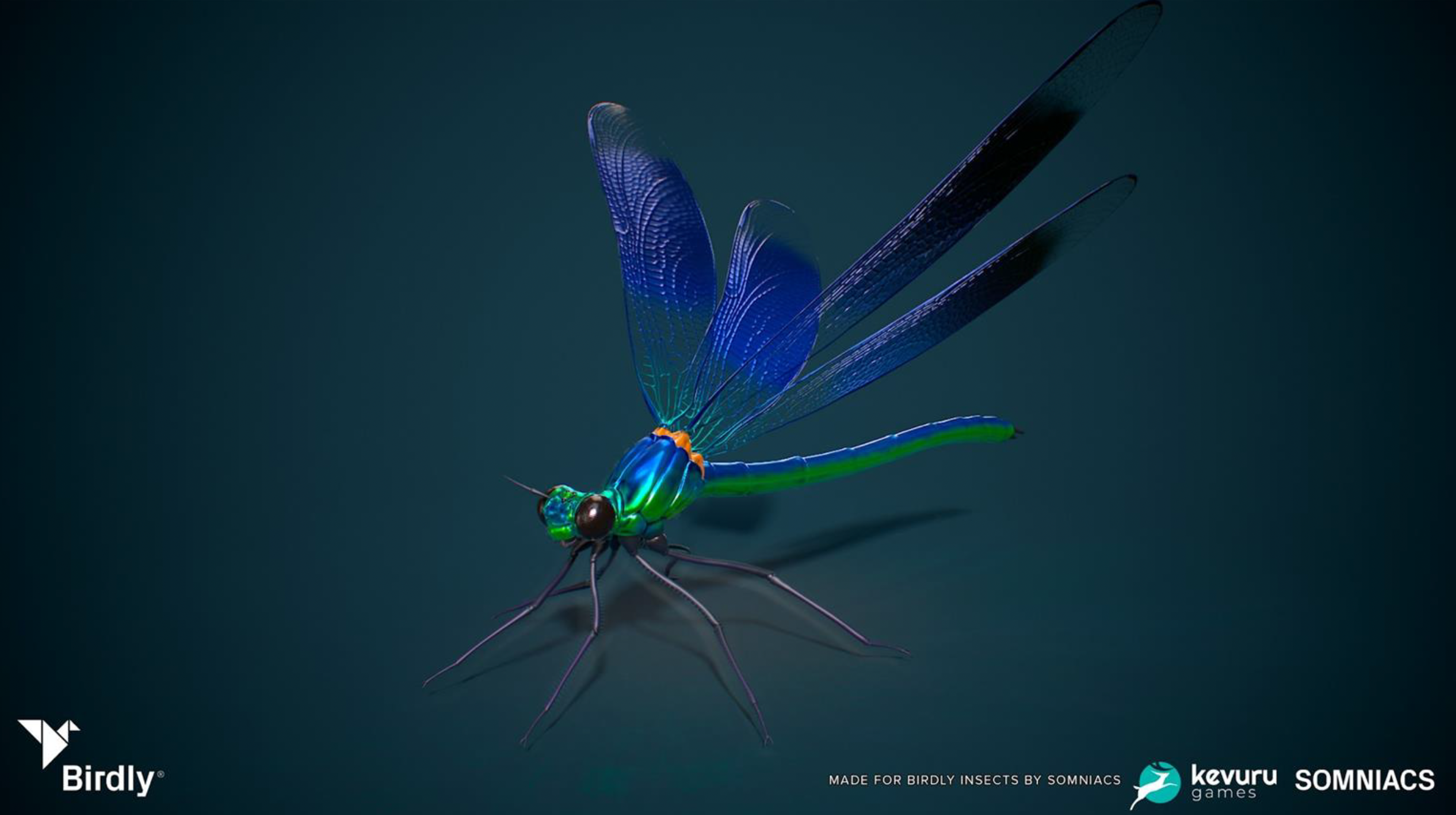
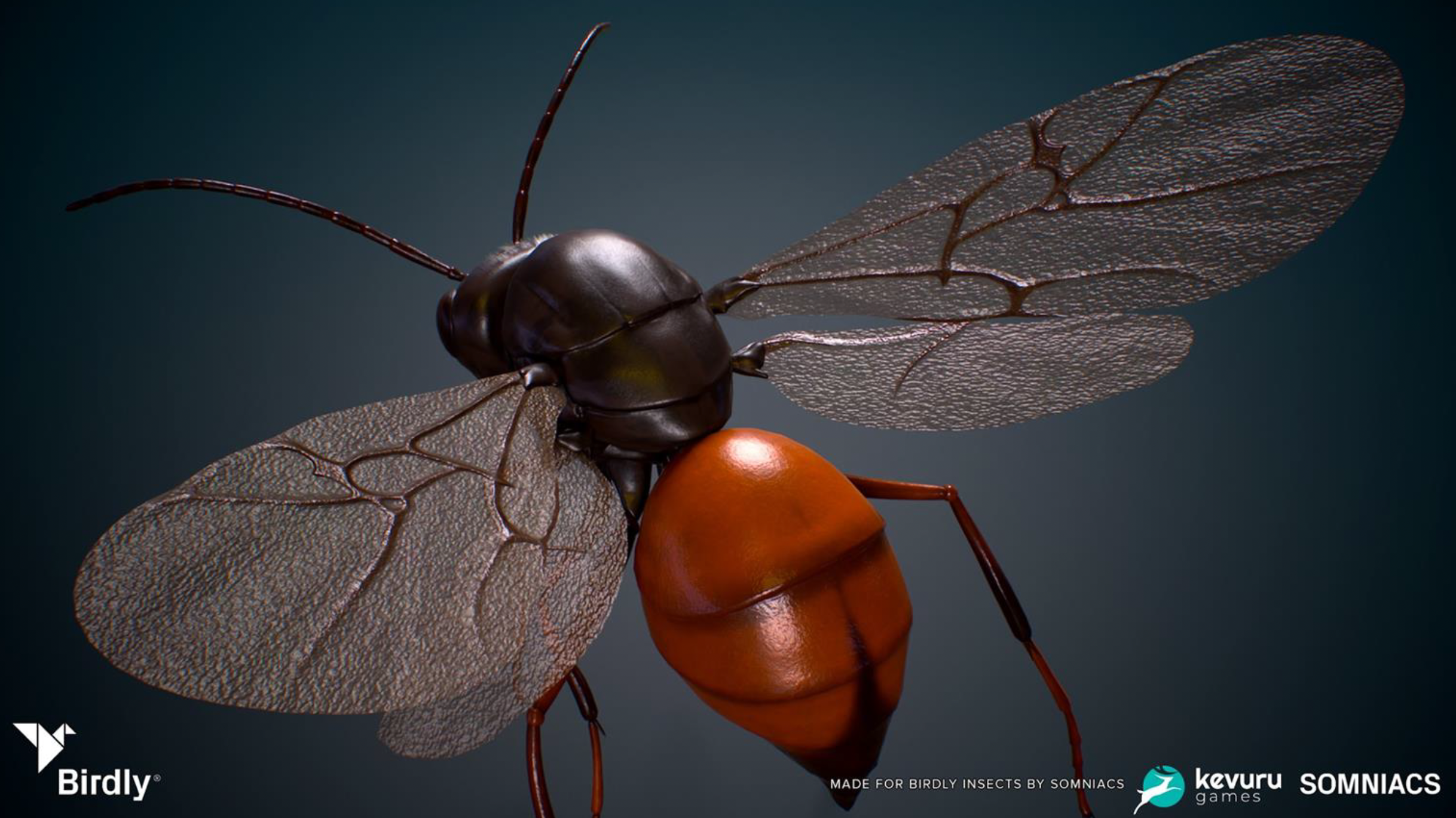
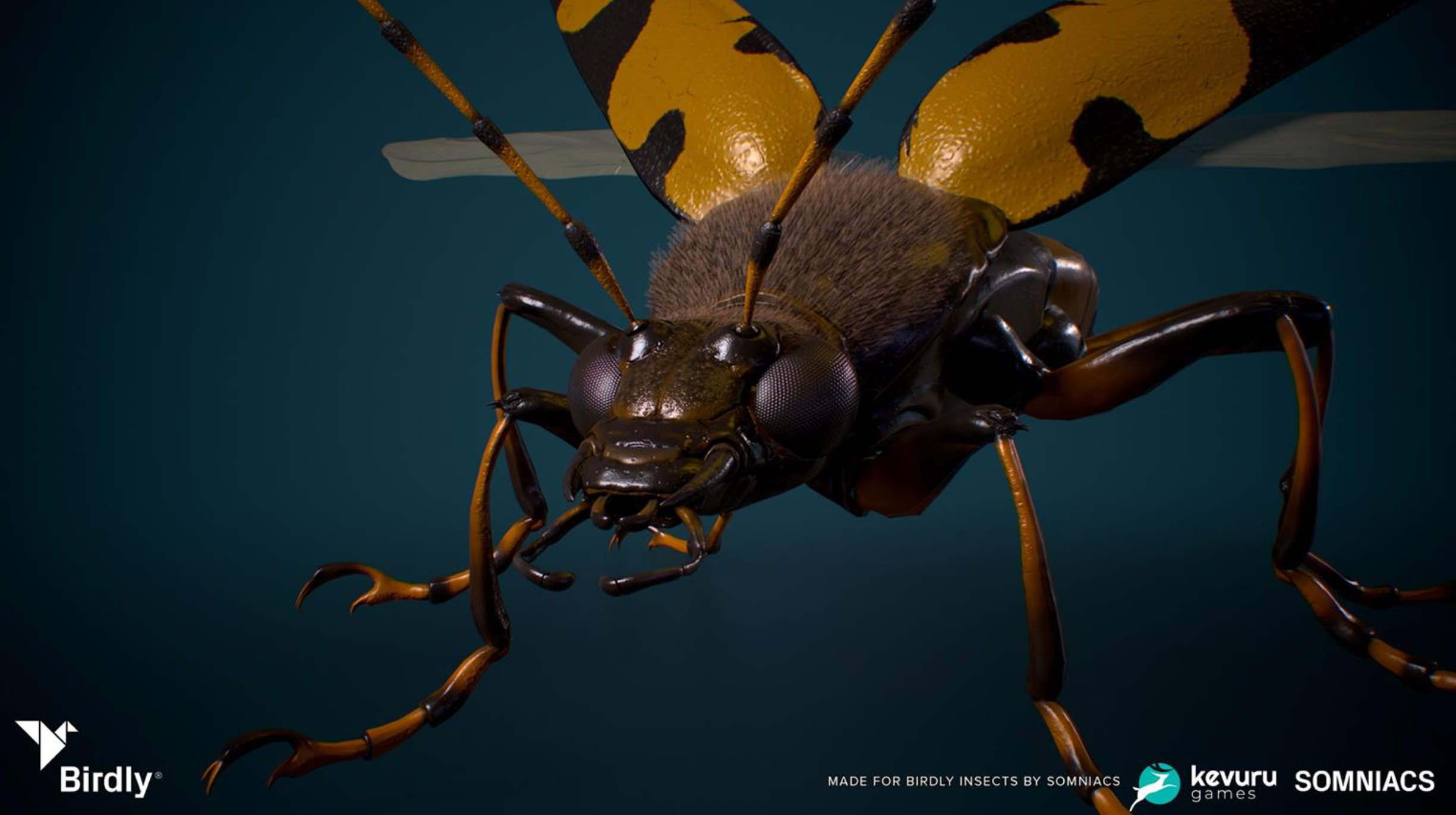
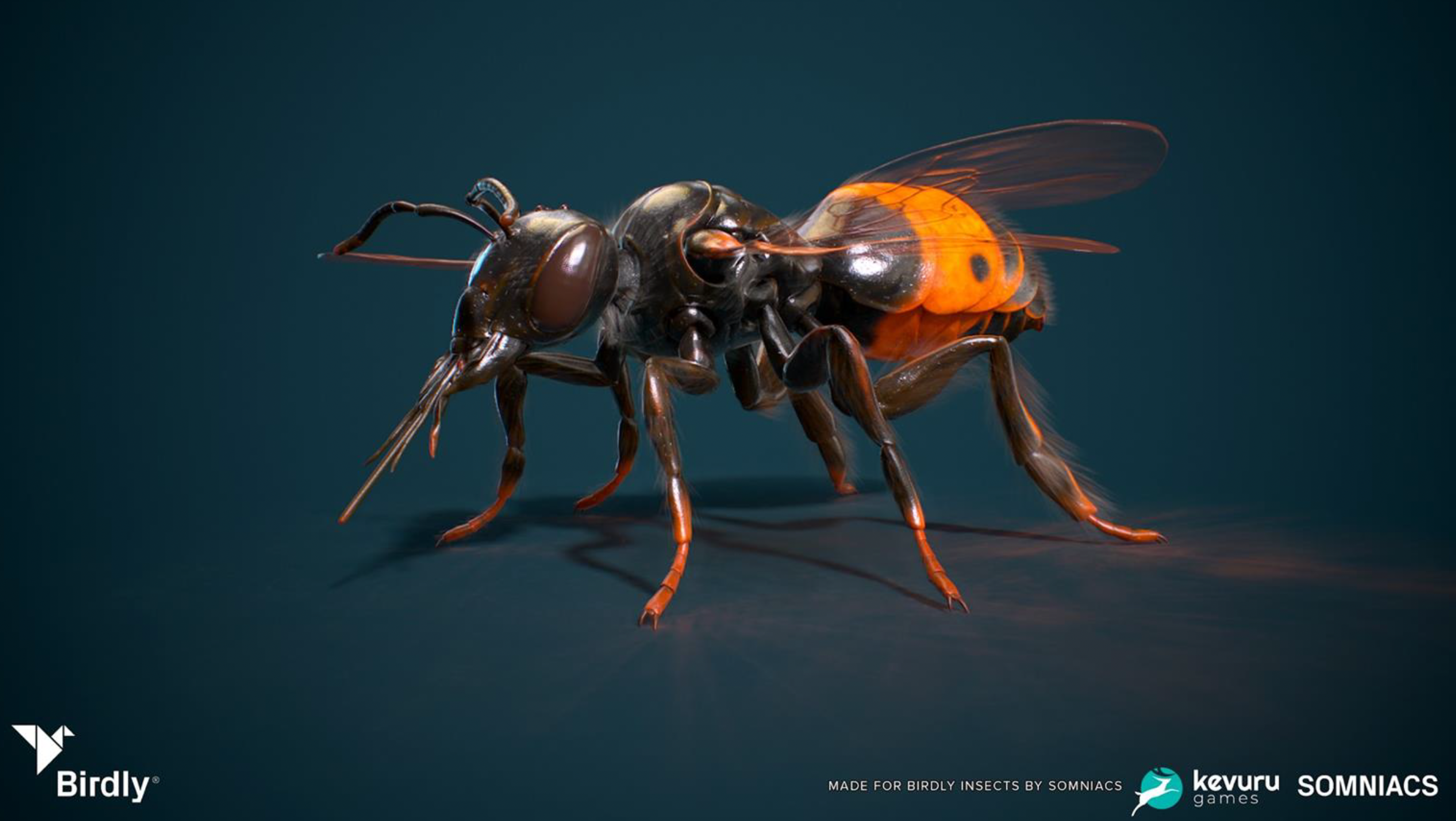
Birdly
- VR-based hyperrealistic immersive butterfly flight simulator
- Creating ultra-realistic 3D models of insects, birds, and plants, as well as their animations
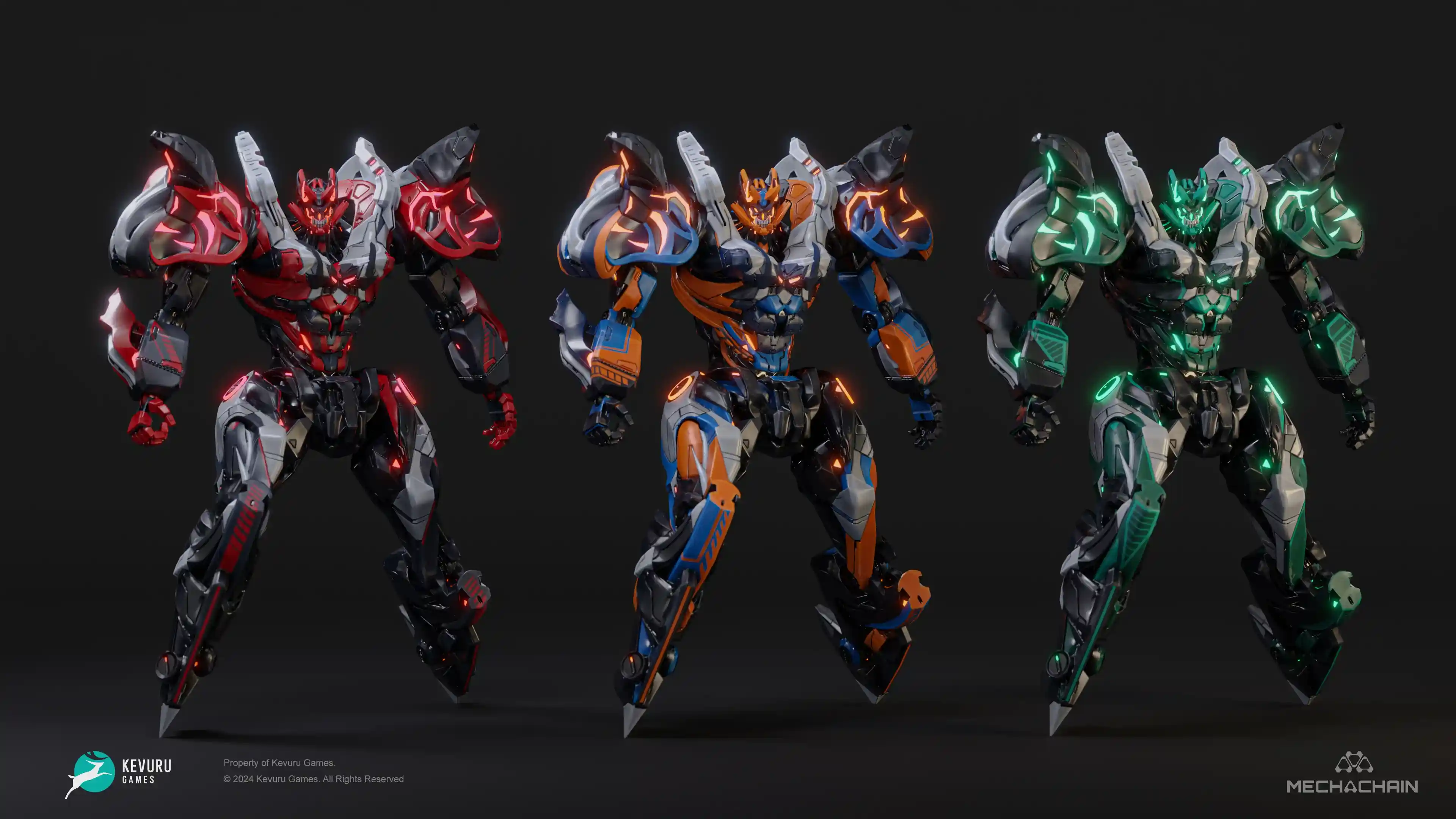
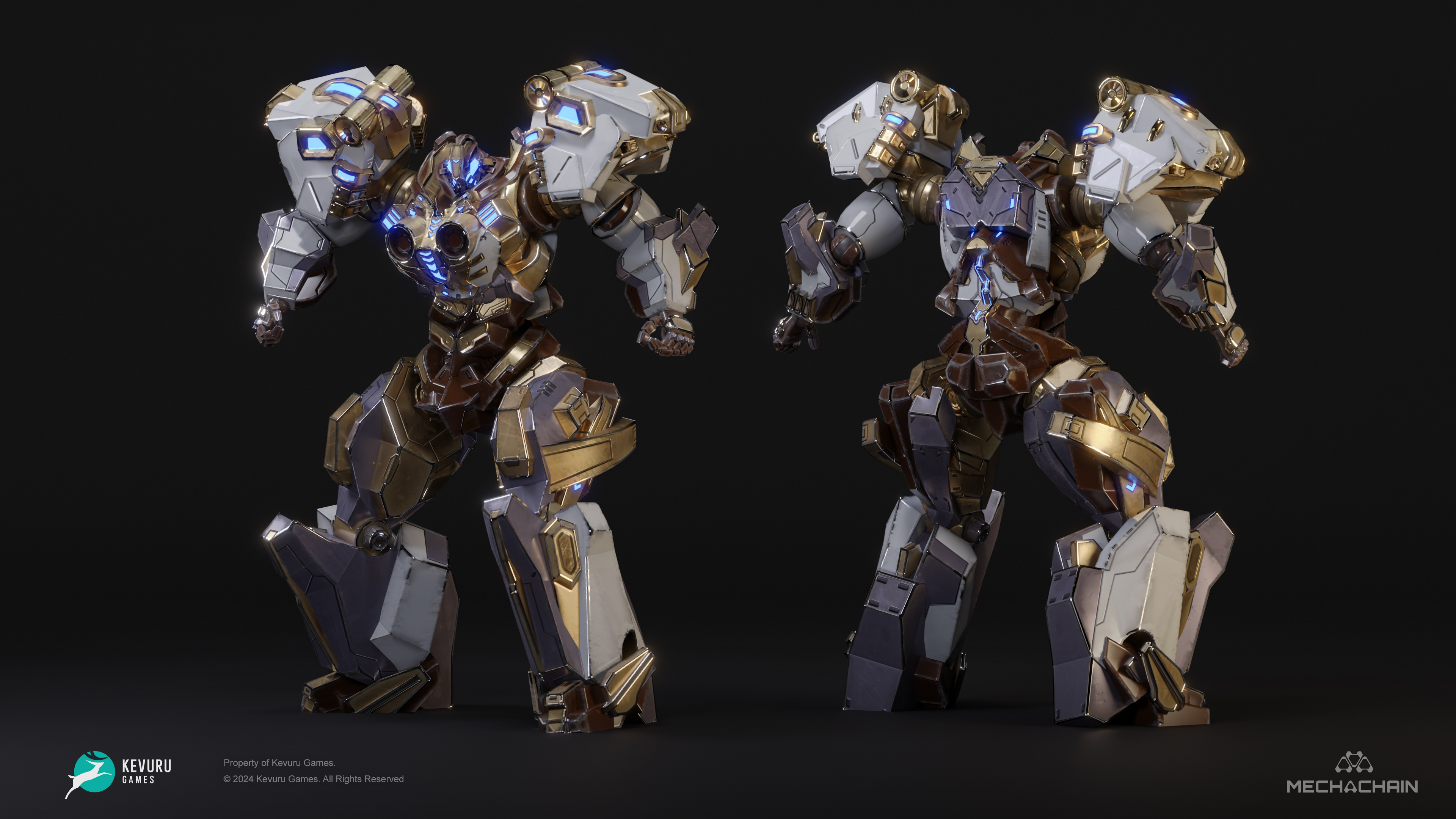
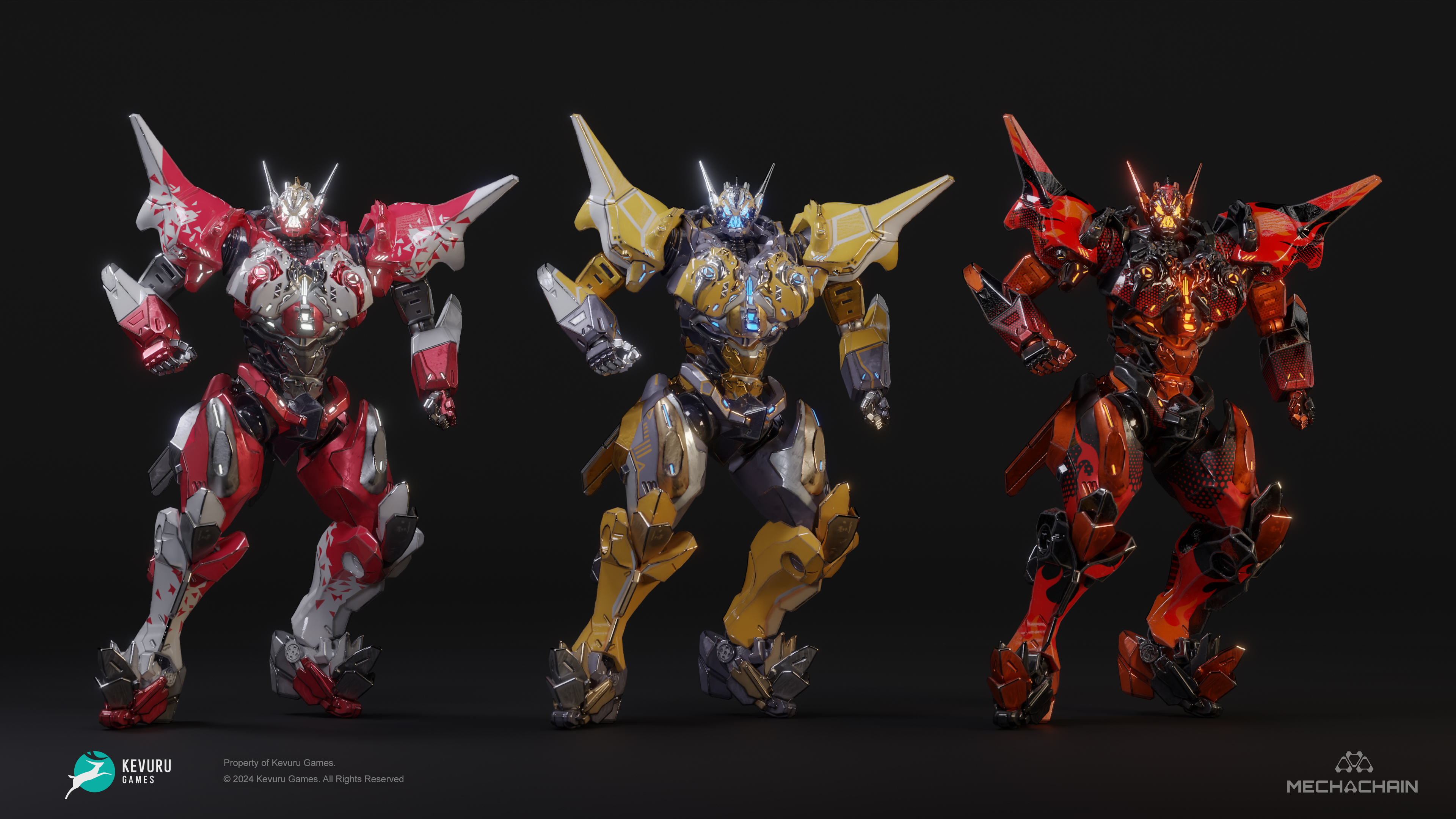
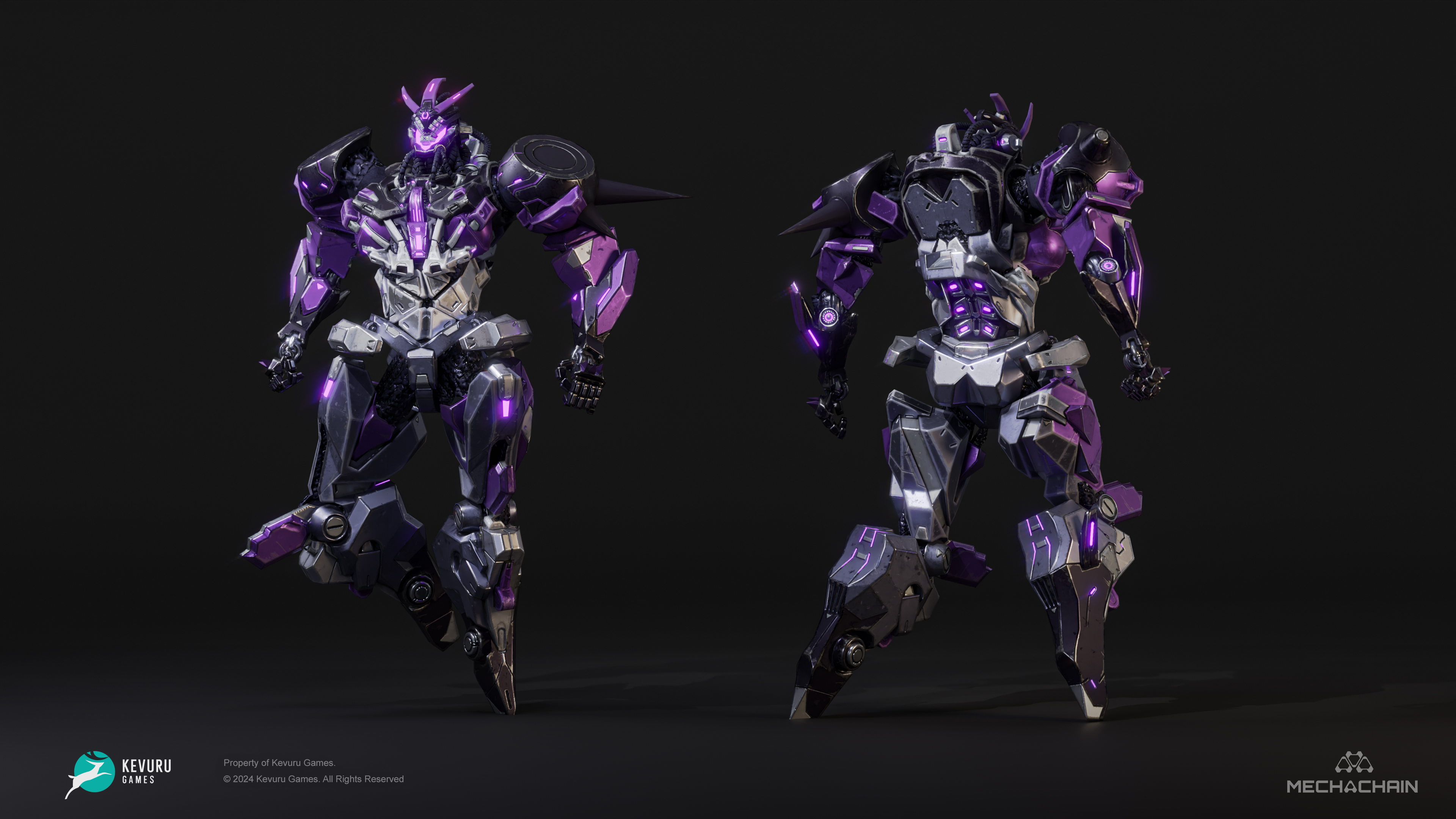
MechaChain
- Web3 game development
- Working on game design, art , sounds and engineering part
Undead Blocks
- The world’s first AAA play-to-earn zombie shooter game on the Ethereum network
- Creating 3D models of zombies, weapons, and environment, composing the music


Why Choose Us For Game Art Development

Reliable Long-Term Collaboration

Customized Game Art

High Security Standards

Epic Games’ trusted partner
Talented Team at Our Game Art Company

2D/3D Artists
We form a team of well-knit team of 2D/3D artists with expertise in a variety of styles: from photorealistic/realistic to stylized. At Kevuru Games we collect talents with the needed skill sets to deliver the project at the top professional level.
Concept Artists
The art creation process is based on the work of professional concept artists, visualization masters. They create high-quality sketches based on client descriptions and briefs for all essential game elements, setting the basis for further production.
Technical Artist
After the entire design process, the created art assets are delivered to our technical artists. This specialist is engaged in optimizing this illustration, namely digital files, so that they work effectively under any possible technical conditions. He/she will help developers meet the highest standards of visual design and the high performance of art assets on the required platforms.
Lead 2D/3D Artists
We select the most experienced designer as the team leader for working with 2D or 3D characters. Together with the art director, they form a complete vision of art assets. After that, he/she clearly communicates this to the rest of the team and controls the entire creative process of art production based on all the project specifics.
Art Director
A person shaping the artistic mood of future art based on customer requirements. Fully controls the process of creating art, from the concept to the transfer of materials to the client, so as not to miss a single detail and provide a guarantee of quality work on time.

What Clients Say About OUR game art studio










Faq
What are the benefits of game art outsourcing?
For large studios, a full in-house art department might make sense. But for indie developers or smaller teams, outsourcing is a smarter and more flexible choice. You get access to a skilled team without long-term commitments and can scale up or down as your project evolves.
When you choose mobile game art outsourcing, you’re partnering with artists who understand the specifics of mobile platforms – from optimizing textures to creating visuals that look sharp on any screen size. For casual or mid-core titles, casual game art services are especially valuable. These teams know how to design light, appealing, and emotionally engaging visuals that attract a broad audience while staying true to your brand’s tone.
Outsourcing also gives you the freedom to pick the right partner for your genre, style, and budget. Each casual game art outsource studio brings its own creative approach, and by exploring portfolios, you can find the one that fits your game’s personality.
Beyond cost efficiency, there’s another major benefit – access to experience. Outsourcing companies work on dozens of projects across genres and platforms, from stylized mobile hits to high-end PC and console games. They know what works visually, how to adapt to your production schedule, and how to deliver consistent quality.
In short, game art outsourcing is not just about saving money – it’s about working smarter. It allows you to keep your focus on game design and storytelling, while seasoned artists handle the visuals that make your game stand out. Whether you need stylized assets for a mobile hit or polished visuals for a console release, outsourcing gives you both flexibility and expertise – the best combination for building something players will remember.
Where do video games companies outsource?
Video game companies select contractors for the transfer of specific tasks among game art outsourcing companies or freelancers.
They often look at art outsourcing studio portfolios, areas of expertise, and customer testimonials to choose who to assign specific tasks to. The location of the game art outsourcing company does not matter since such services are seamlessly and efficiently implemented in a remote format.
Video game companies prefer long-term partnerships: this helps them to enlist the support of a specific art outsourcing studio for a specific time and frees them from the need to constantly search for freelancers, whose game art design services are not always of high quality.
What can you outsource for a video game studio?
Video game companies outsource tasks such as:
- creating 2D/3D art and concepts for the game;
- creating stories and dialogues;
- game/server/tool programming;
- sound effects;
- music and voice-overs;
- motion capture;
- live-action filming;
- cinematics;
- translation into foreign languages;
- QA;
- porting to other gaming platforms.
Where do big game companies get their 3D models?
Large video game companies use outsourcing services to create 3D models and get other game art services. This allows them to significantly speed up the game development process and eliminates the need to hire huge staff of in-house artists, developers and animators. Game art outsourcing companies have their own specialists who will quickly and efficiently complete any tasks.
Each game art outsourcing studio has its own specialization and areas in which it has a competitive advantage. Therefore, large video game companies outsource 3D modeling to some contractors, animation to other companies, and level design to completely different studios. By delegating authority, they get the best from each outsourcing partner and benefit from both quality and cost.
How does the game art outsourcing process work?
Here are the key steps of our process:
- First Meeting: The studio gets a brief from the client with all the details and requirements for the work.
- Proposal and Agreement: We present a proposal with details and timelines. Both client and studio sign contracts and NDA.
- Concept Art Creation: The start of work on concept art continues until it gets approved by the client.
- Production: Based on the concepts, the assets (2D art, 3D models, textures, animations) are created as required by the brief.
- Client Review: The client gives feedback on the work, and the corrections are made until final approval.
- Final Delivery: The studio delivers the final files as agreed.
- Post-Delivery Support: If needed, the studio provides ongoing support or revisions.
What software do game art outsourcing studios use?
Game artists use various software for various tasks. For 3D modeling and sculpting, they use Maya, Blender, ZBrush, and 3DS Max. For texturing and materials, Substance Painter, Adobe Photoshop, and Substance Designer. For 2D art and concept art – Adobe Photoshop and SketchUp.
Our artists are skilled in many tools, allowing them to choose the best one for each project to meet technical and creative needs.
How do game art outsourcing studios ensure quality?
The quality of work is ensured by the professionalism of artists, but the art director supervises the high level of work. To make sure that the delivered work meets client expectations, we go through multiple review stages with the client and adjust the art according to the feedback.
The internal quality assurance process includes technical testing, such as polycount checks and texture resolutions, and artistic assessments for consistency and polish.